Choosing the right round dining table
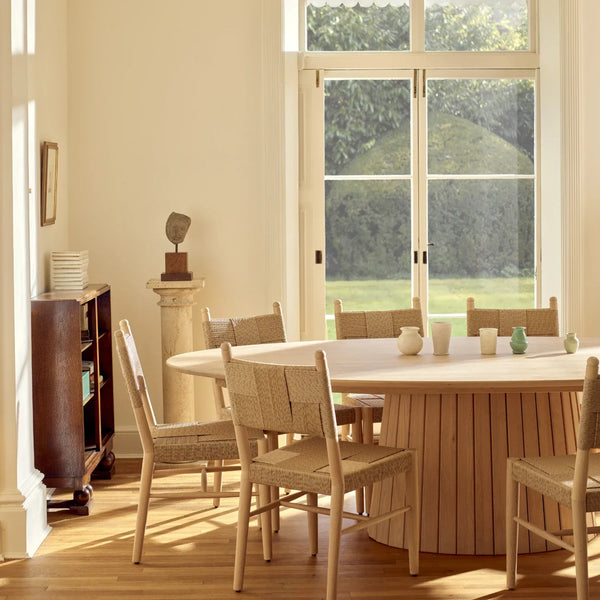
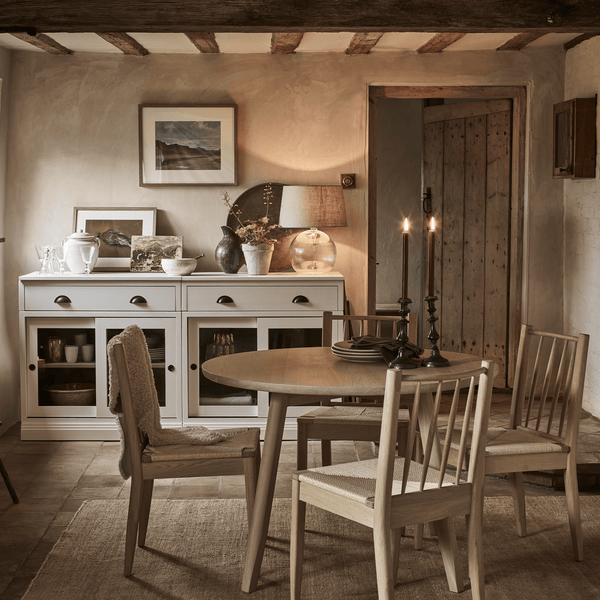
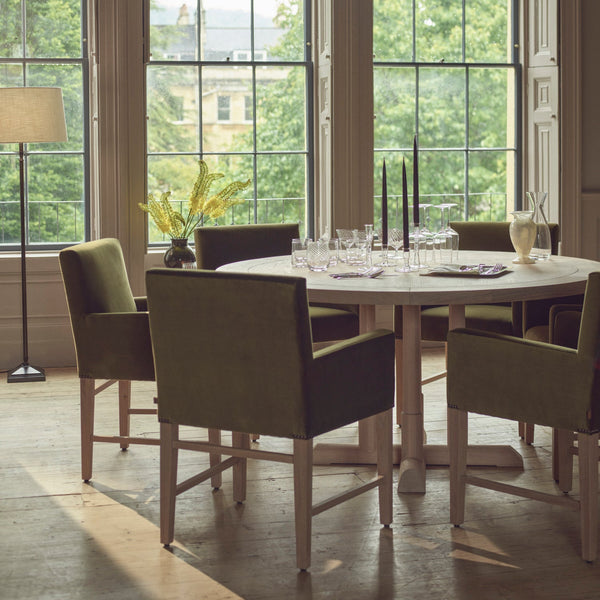
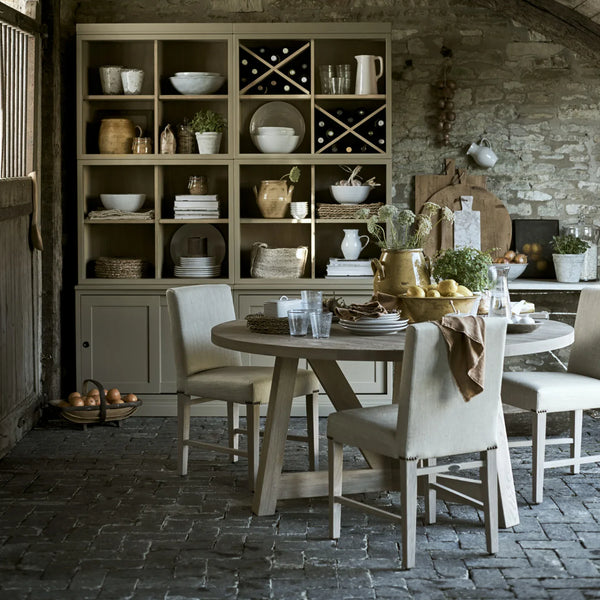
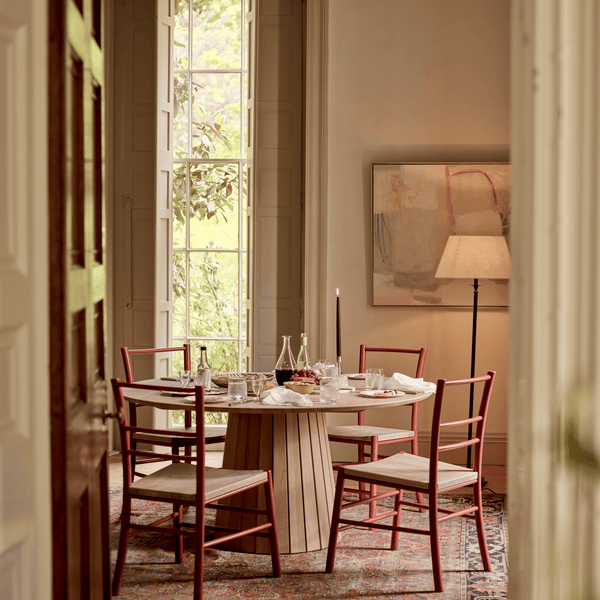
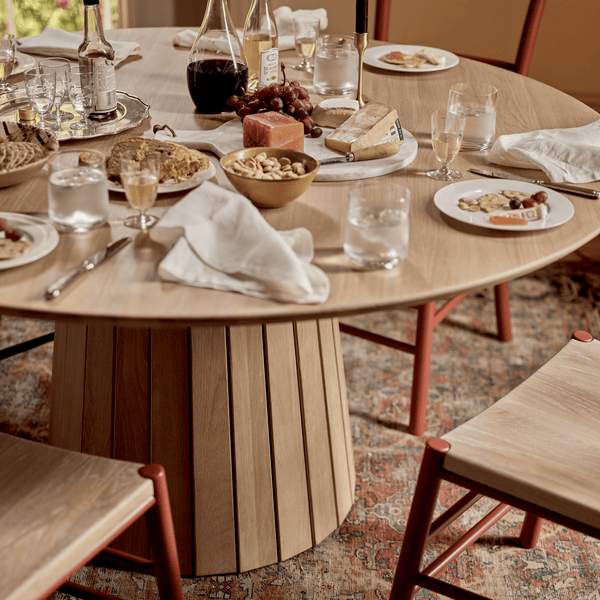
A dining table is, as we see it, the axis around which family life spins. A place to eat, work, talk, and gather long after the meal is done. A round dining table brings a particular ease to that. Without a head of the table, conversation moves naturally around the whole group rather than down its length.
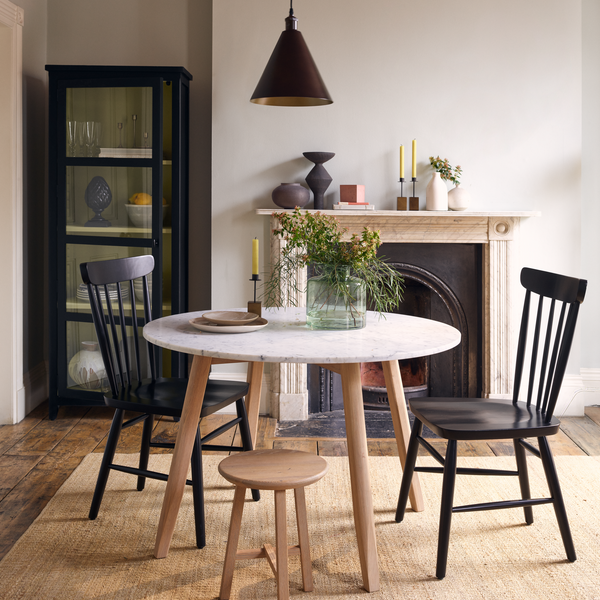
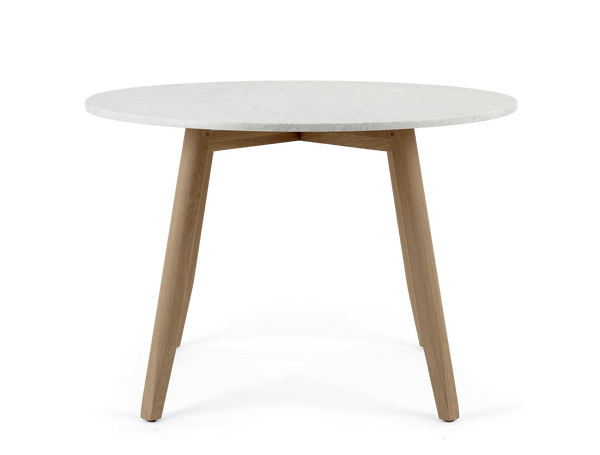
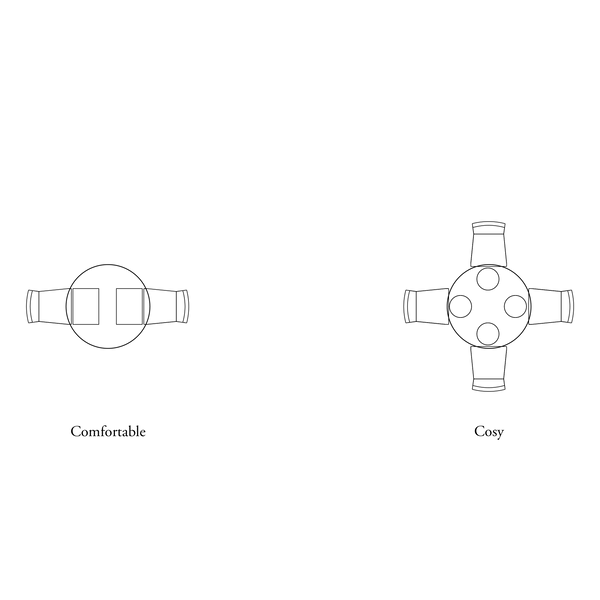
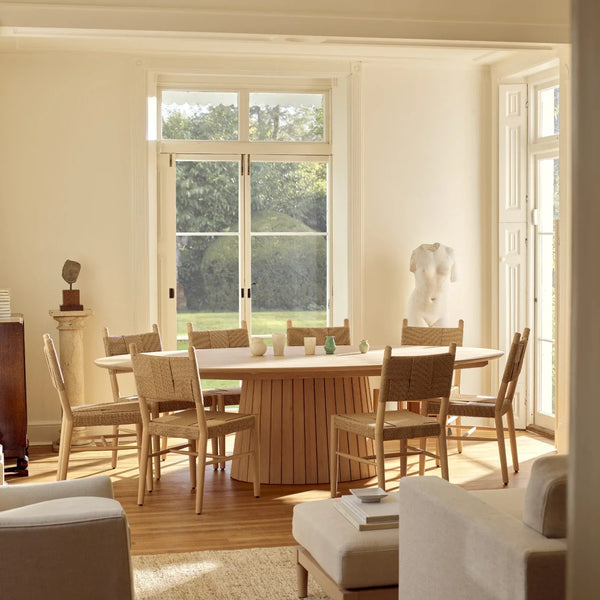
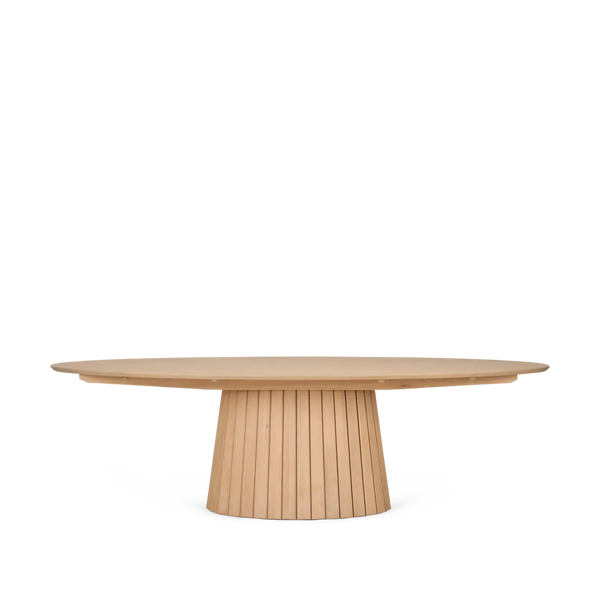
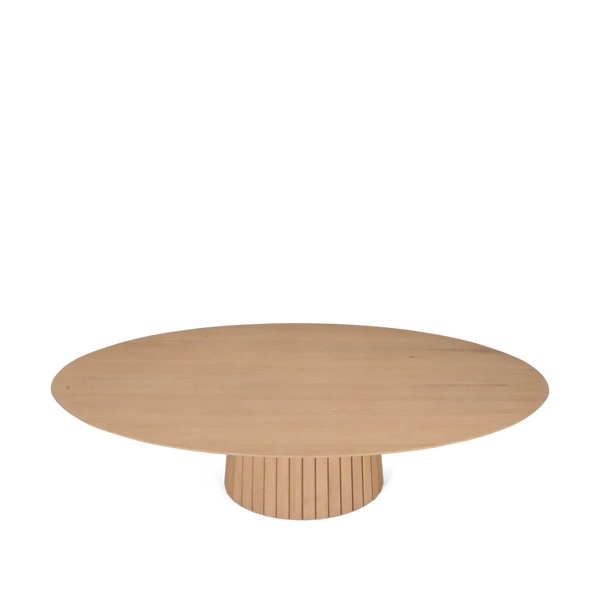
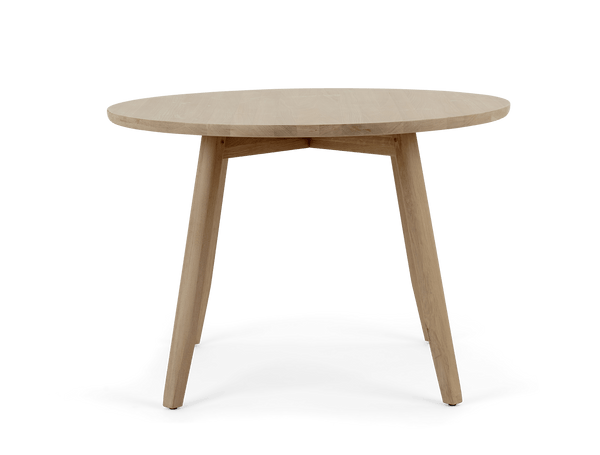
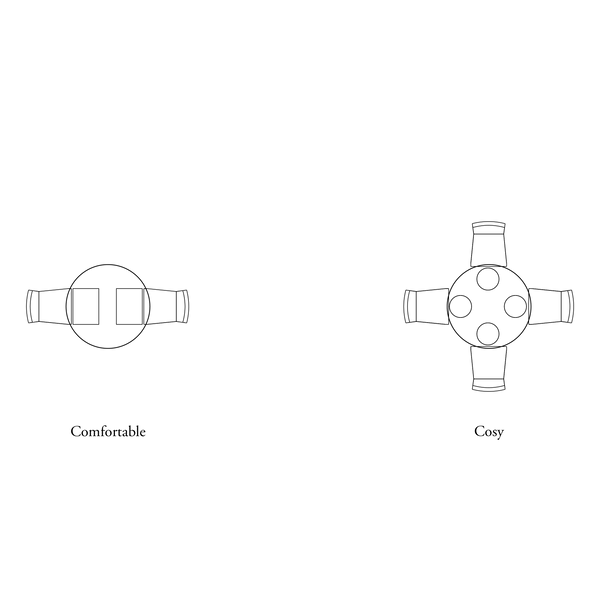
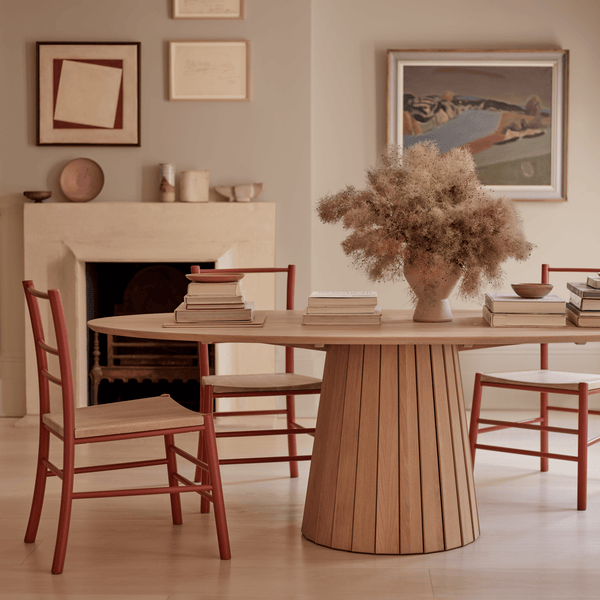
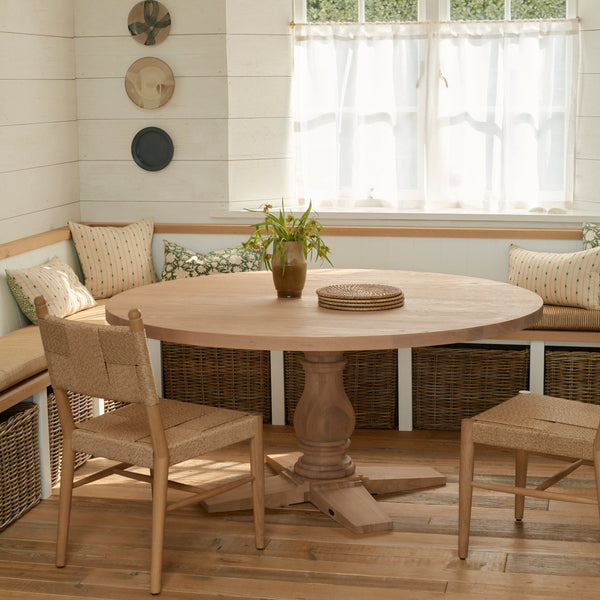
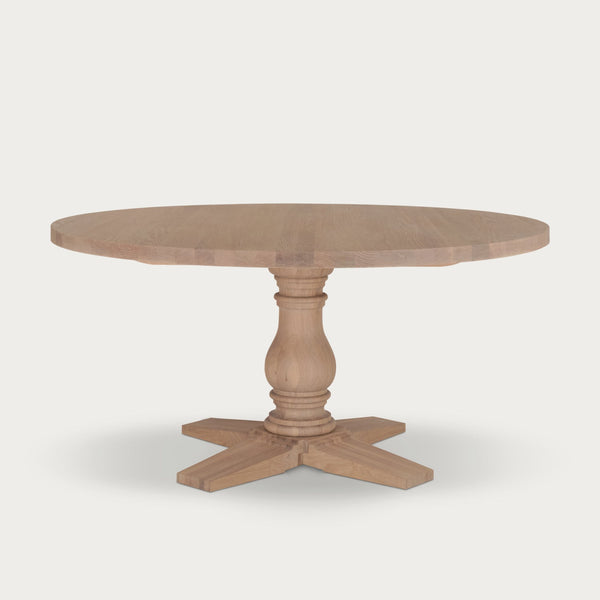
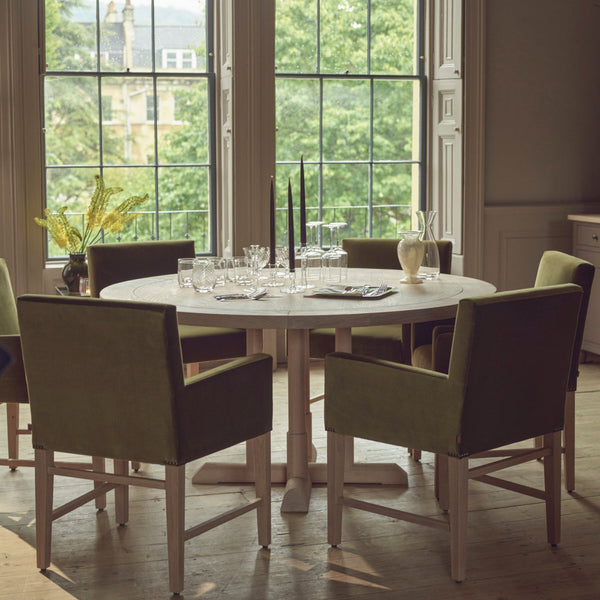
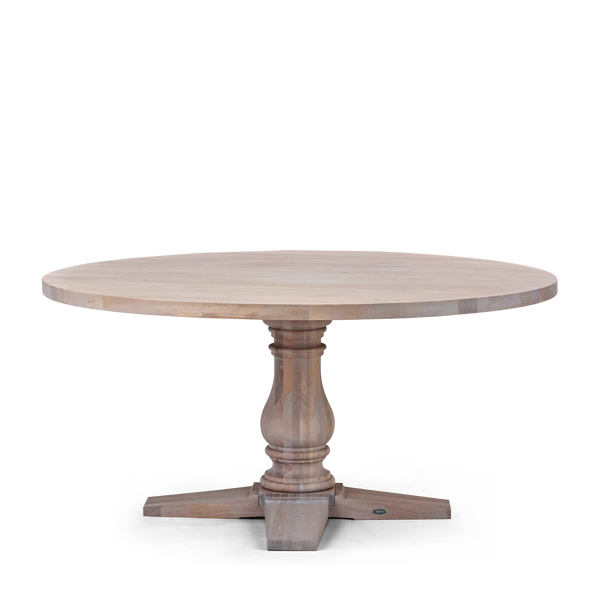
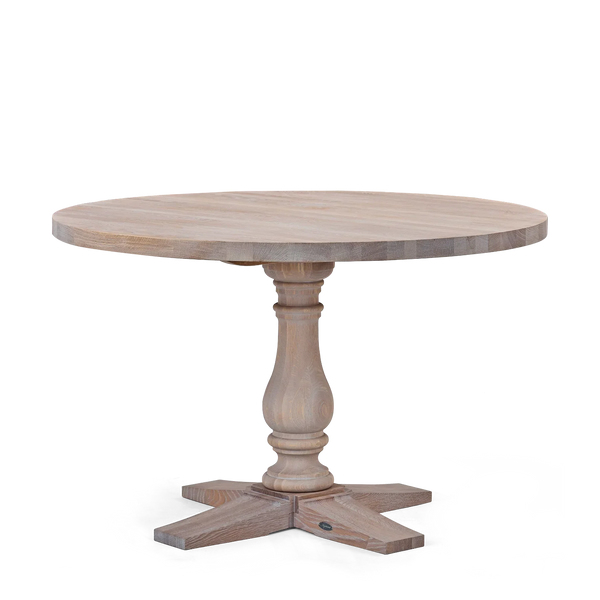
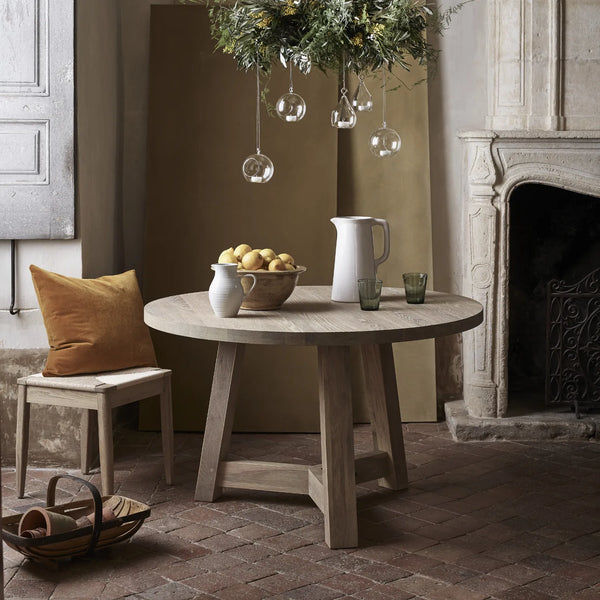
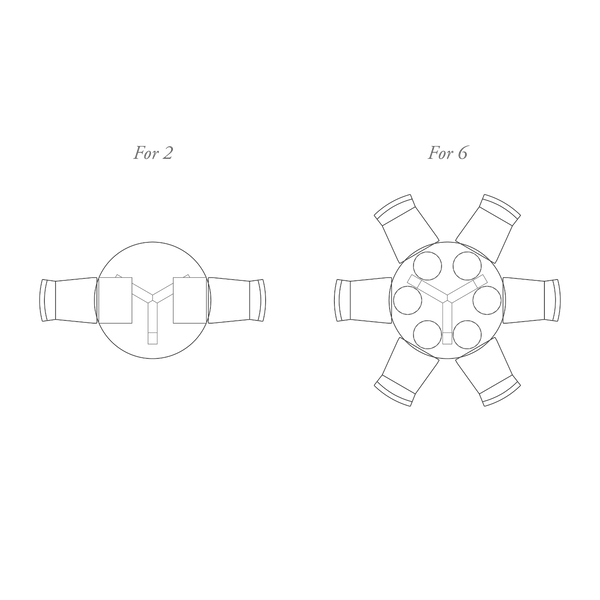
The right size starts with your room. As a guide, a small round dining table of around 100cm in diameter seats four comfortably, while a table of 120 to 130cm suits four to six. For six to eight, look to designs in the 140 to 150cm range. Whatever the size, allow at least 90cm of clearance around the table for chairs to pull back freely and for movement to feel easy. In a square room, a round oak dining table tends to sit more naturally than a rectangular one, leaving the corners of the room open and keeping the space feeling generous.
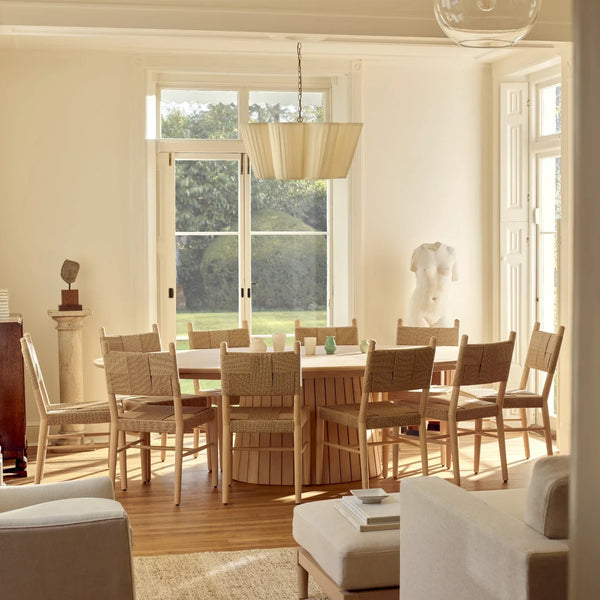
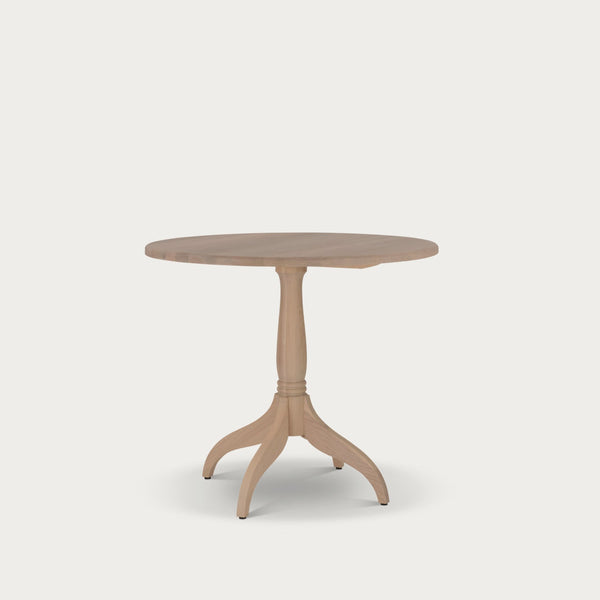
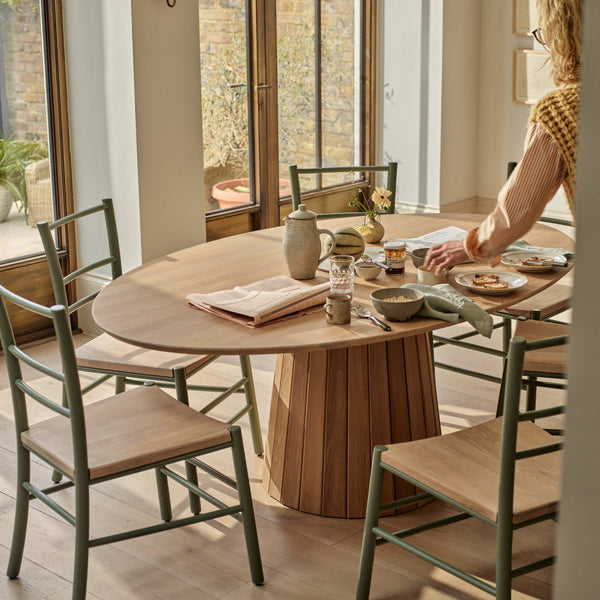
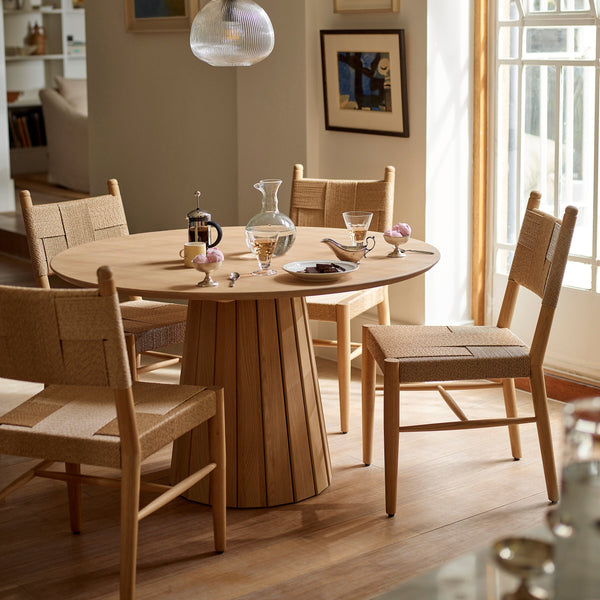
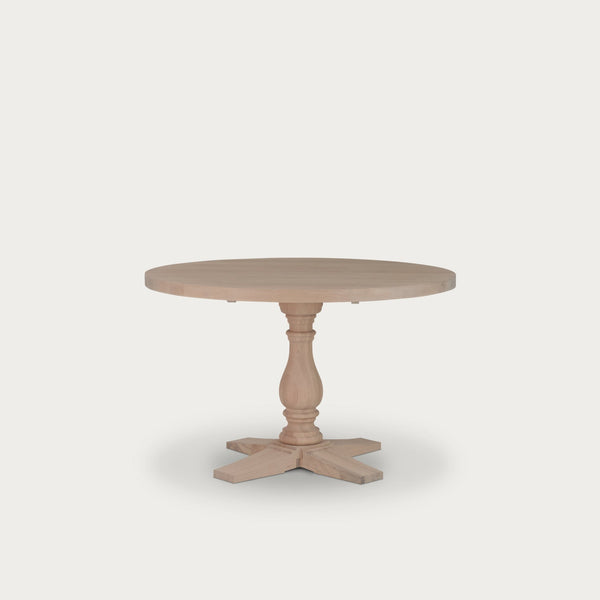
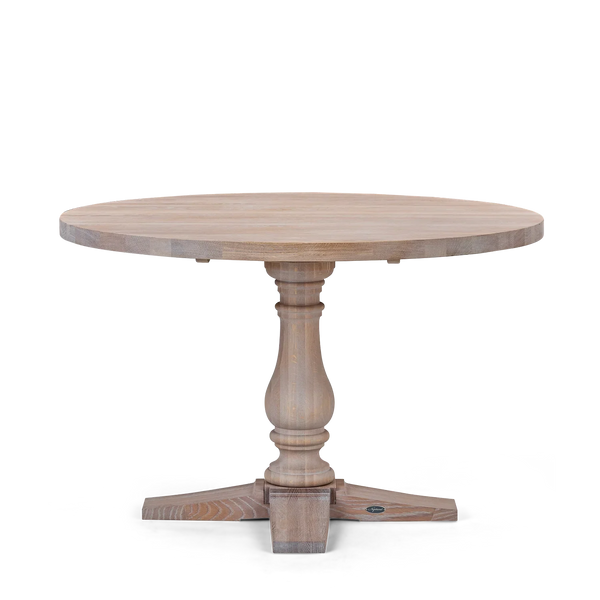
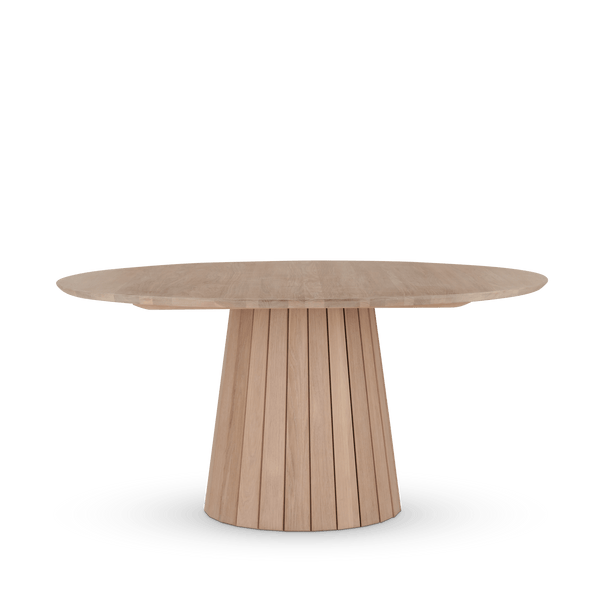
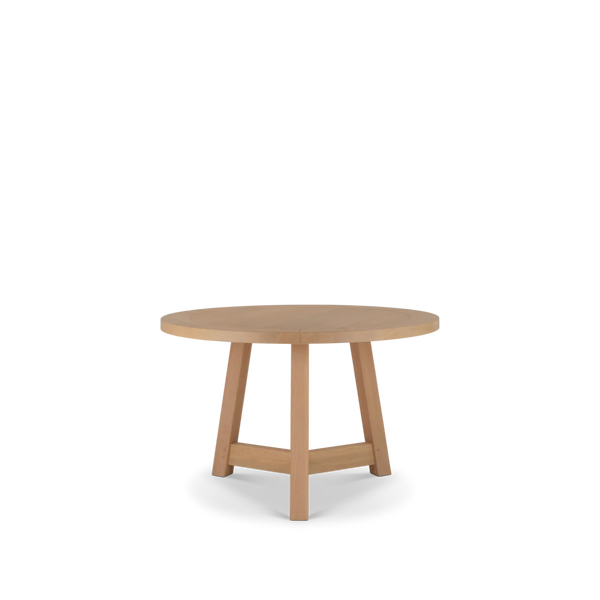
Where space is more limited, a compact round dining table works particularly well in a kitchen or open-plan dining area, sitting closer to the room's centre without imposing on the flow around it. The Stratford and Balmoral both suit this well, each seating four with a considered footprint that leaves the room feeling open. For households that like to host, our extending Sheldrake designs expand to seat up to twelve, giving you an intimate round dining table and chairs setup for everyday meals and the flexibility to accommodate a full table when you need it.
Round oak dining tables, built without shortcuts
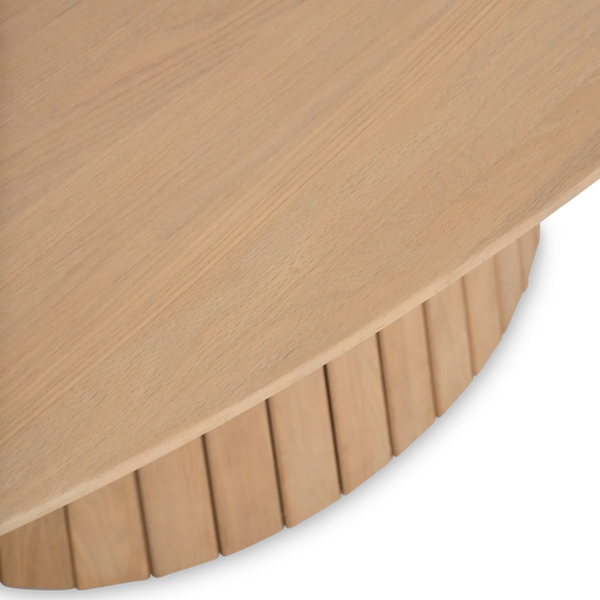
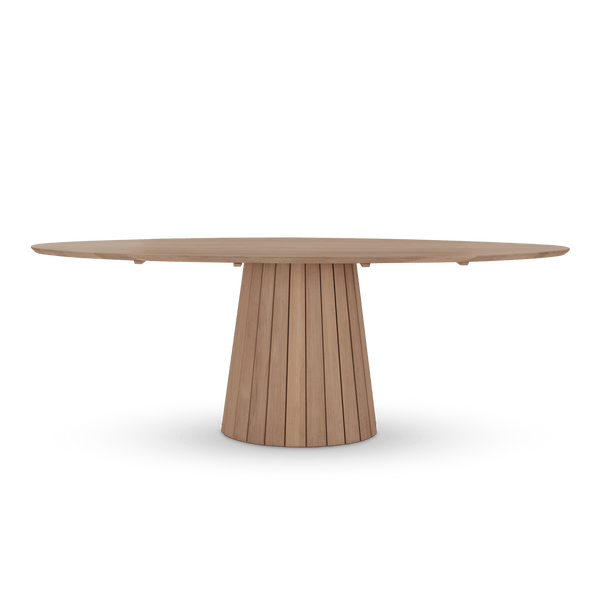
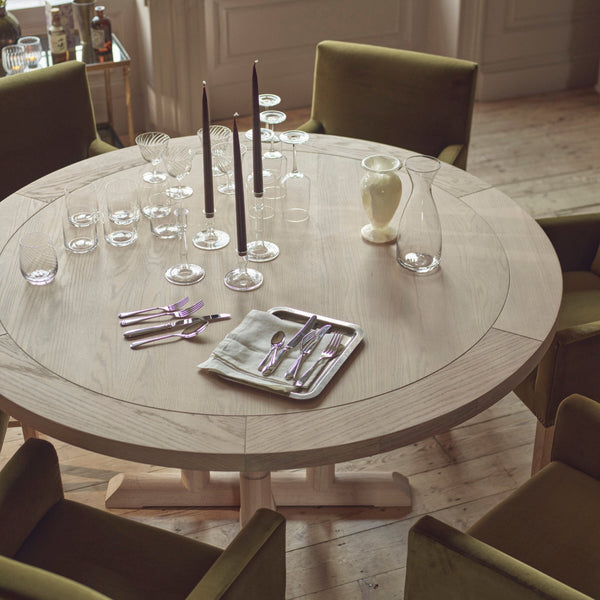
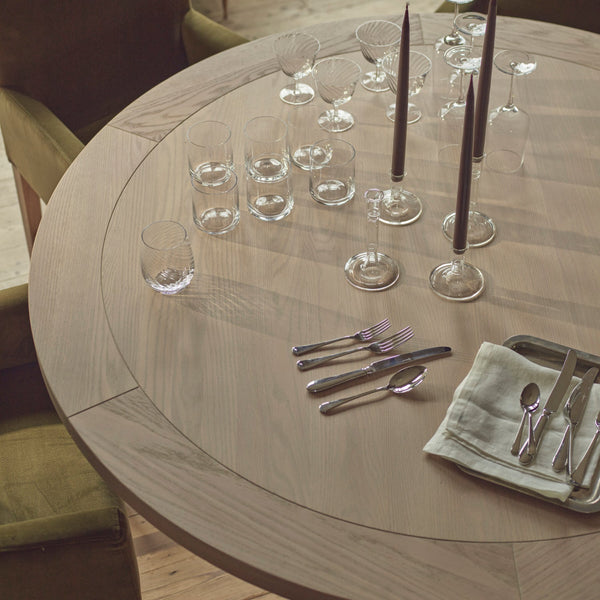
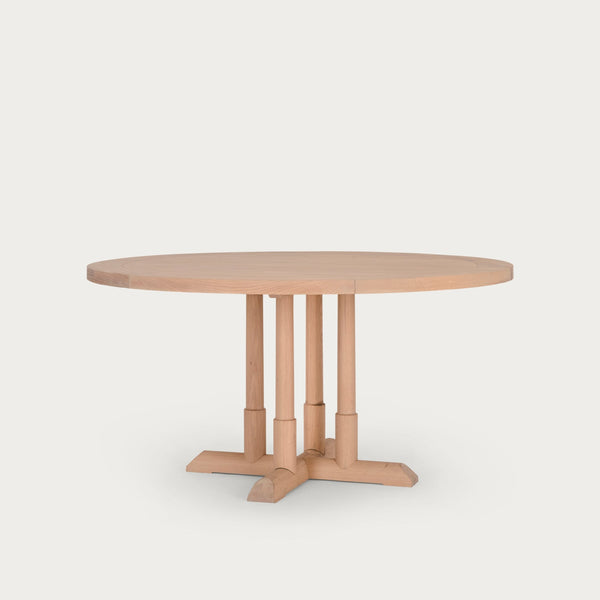
Every Neptune round dining table is made from solid oak sourced from fully traceable, sustainable forests in the United States and Canada. As our co-founder John Sims-Hilditch puts it, oak is "incredibly strong but also naturally beautiful — I consider it a king among woods." It is that combination of strength and character that makes it our first choice for every table in the collection.
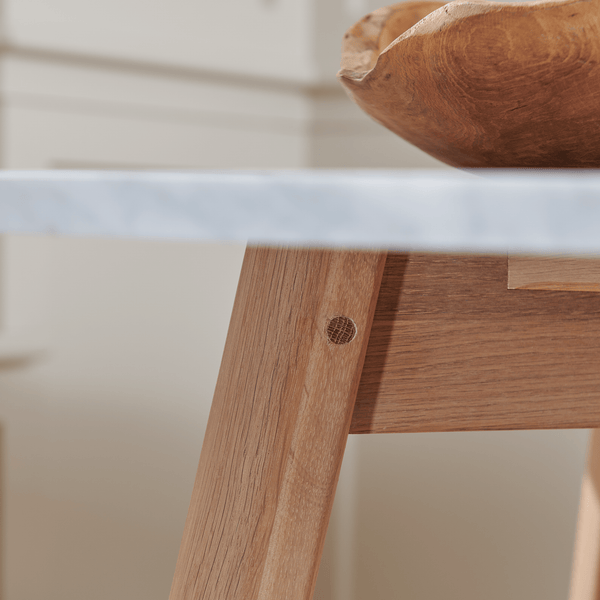
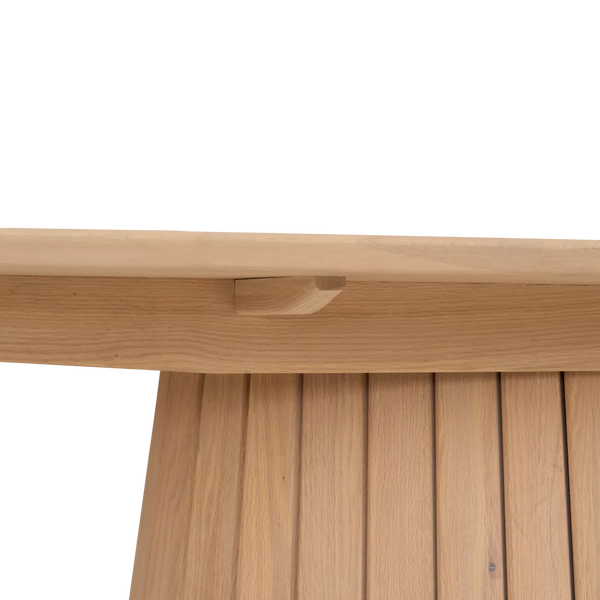
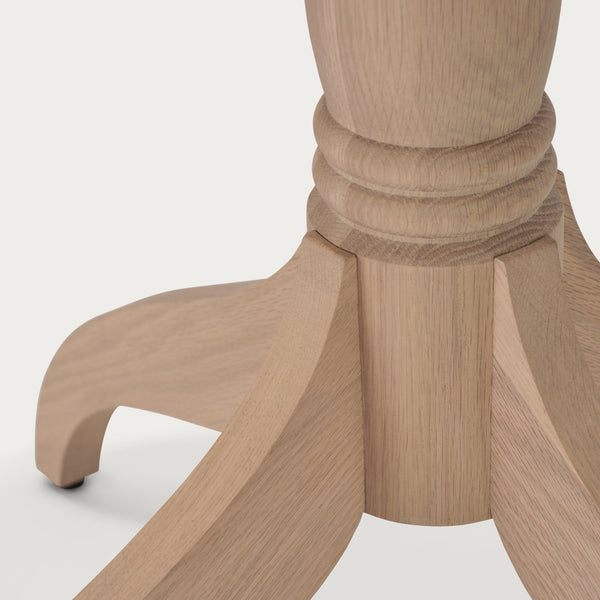
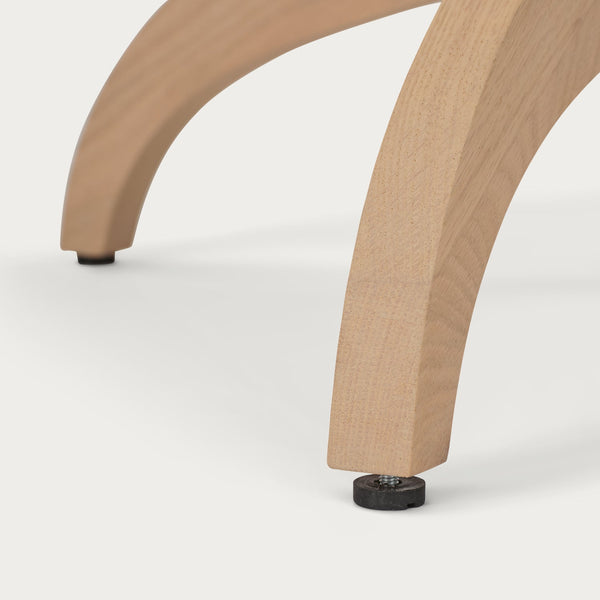
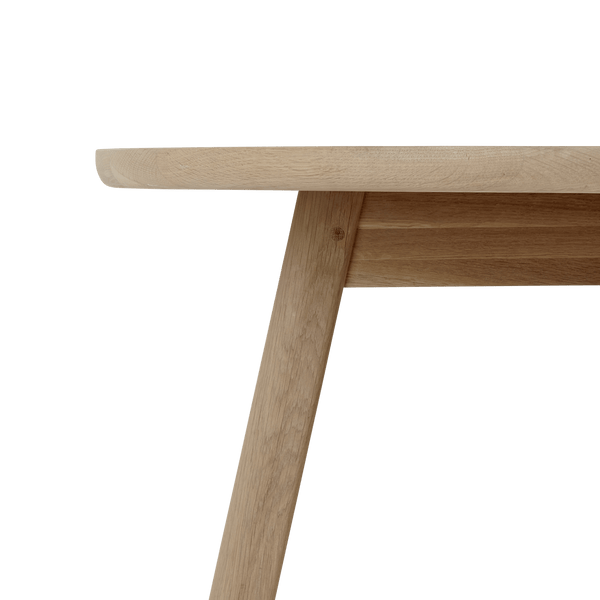
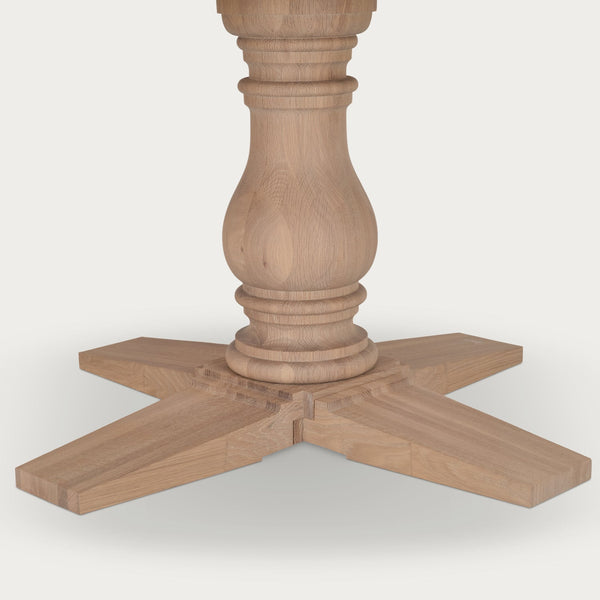
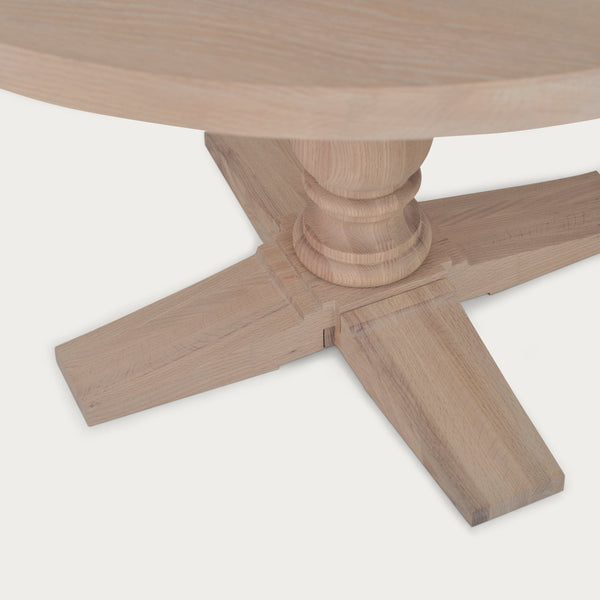
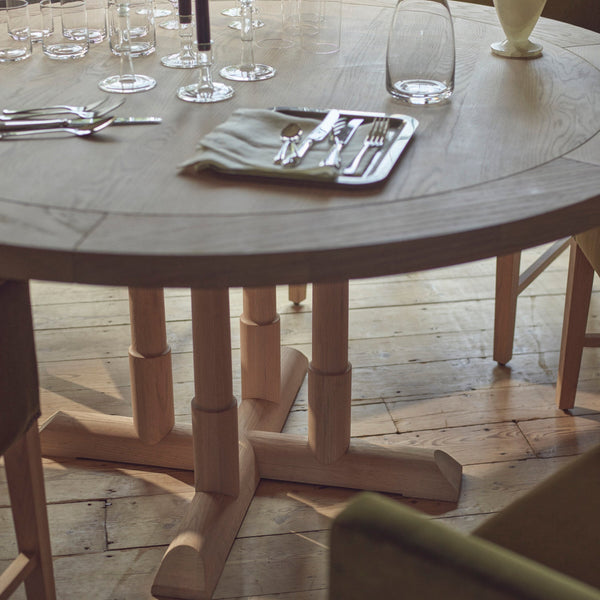
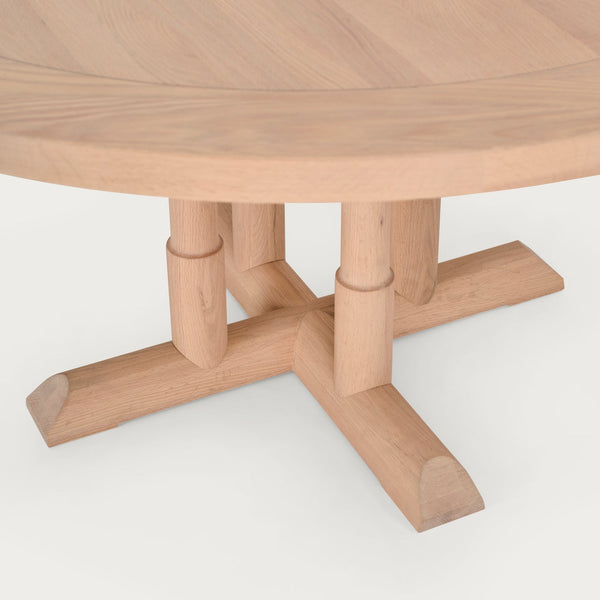
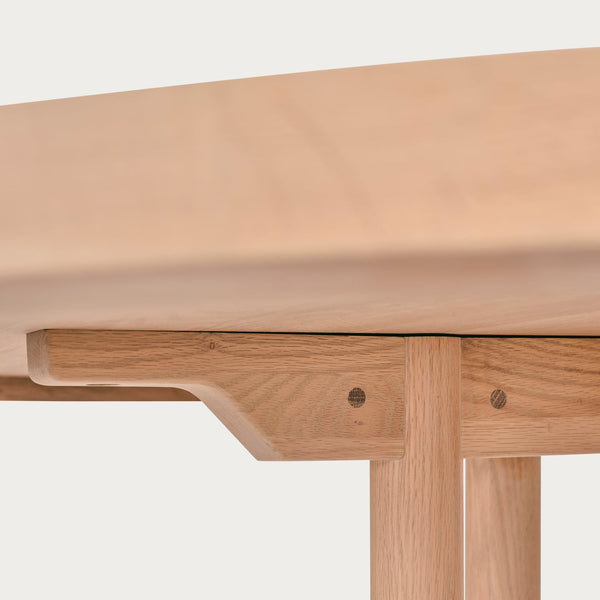
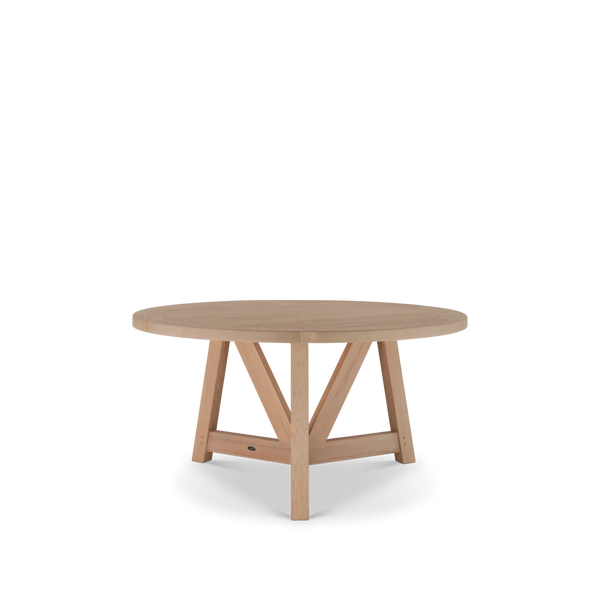
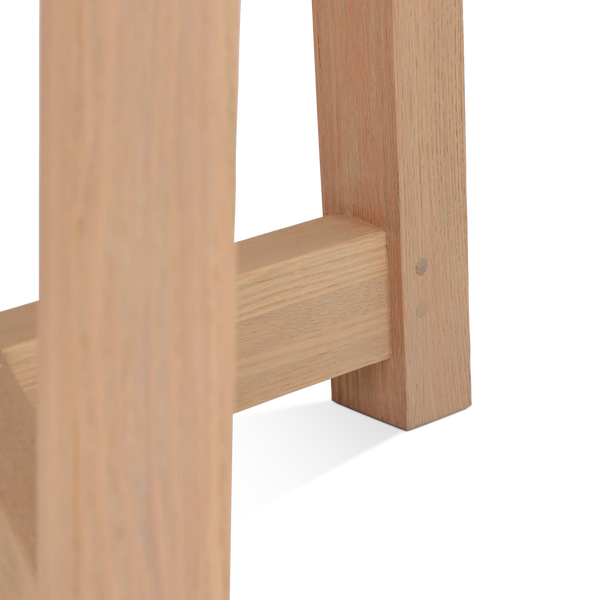
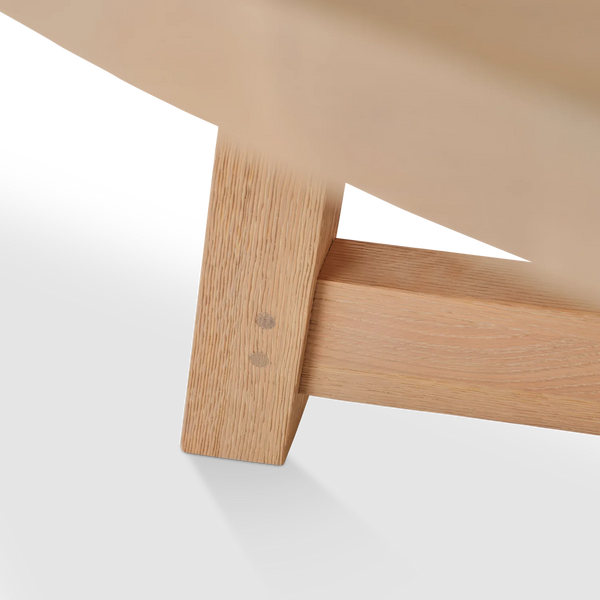
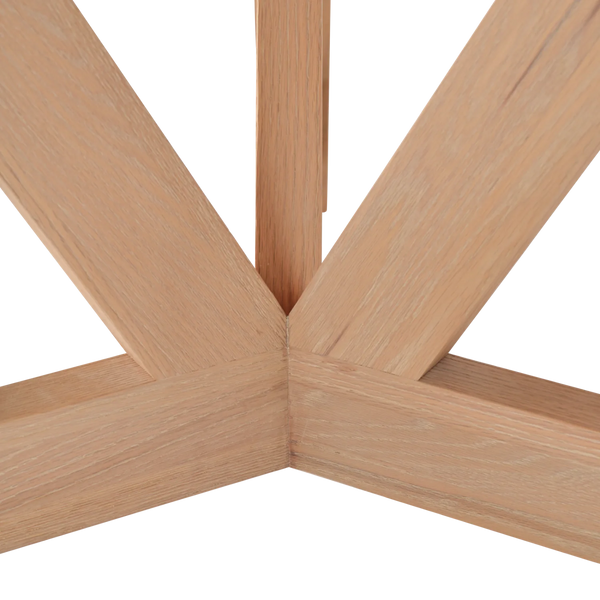
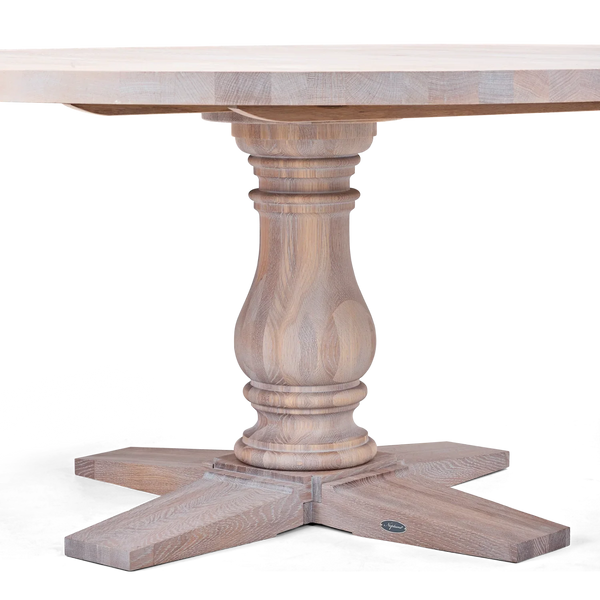
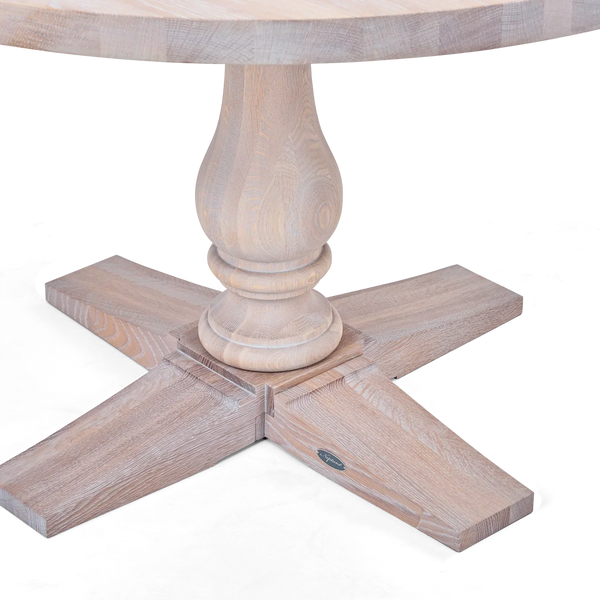
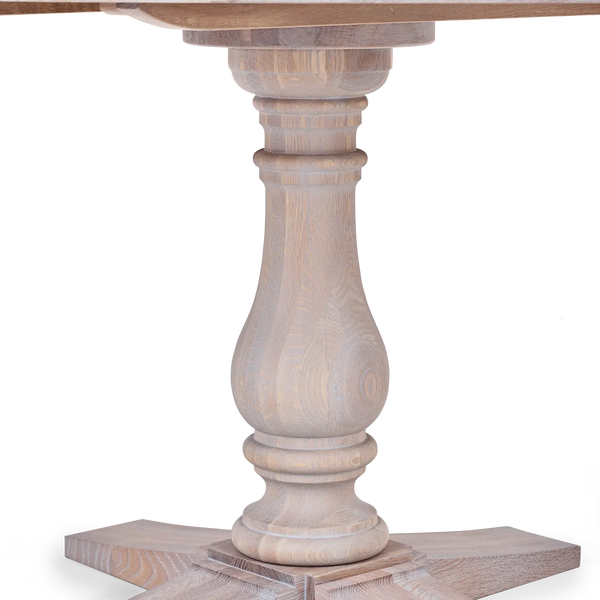
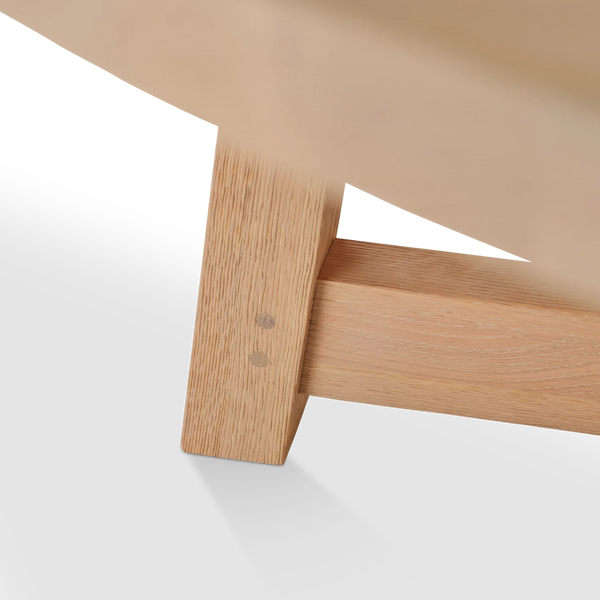
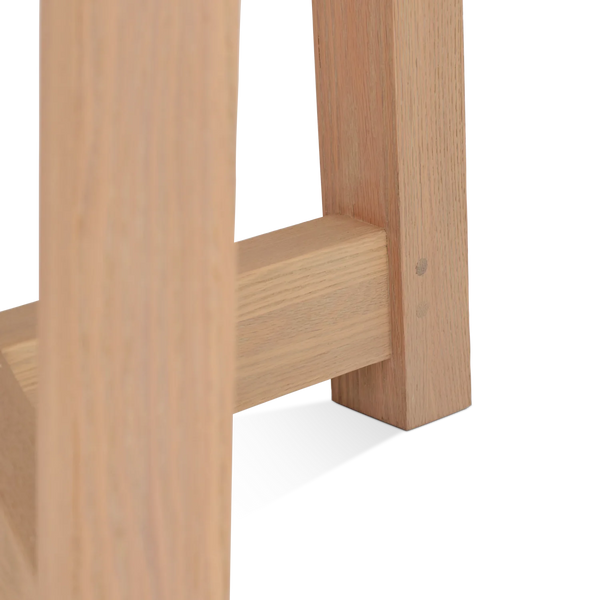
The construction goes beyond the material. Neptune dining tables are built using traditional mortise-and-tenon joinery throughout, the same technique that has given British furniture its dependability for centuries. Where other manufacturers rely on MDF or chipboard for cost and ease, we use solid timber at every point of stress. The result is a table that holds its structure under daily use, whether that is four people around a small round dining table on a Tuesday morning or a full gathering around an extended table at the weekend.
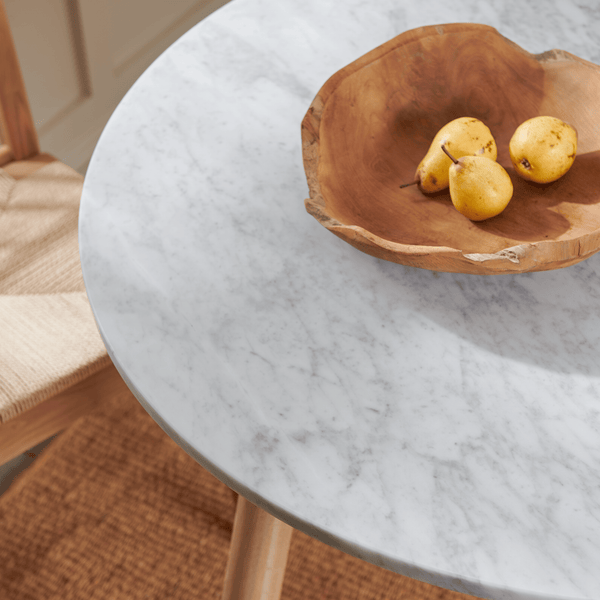
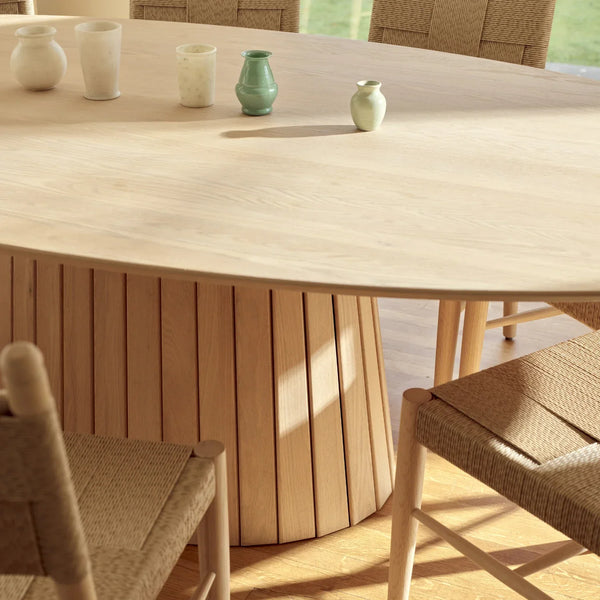
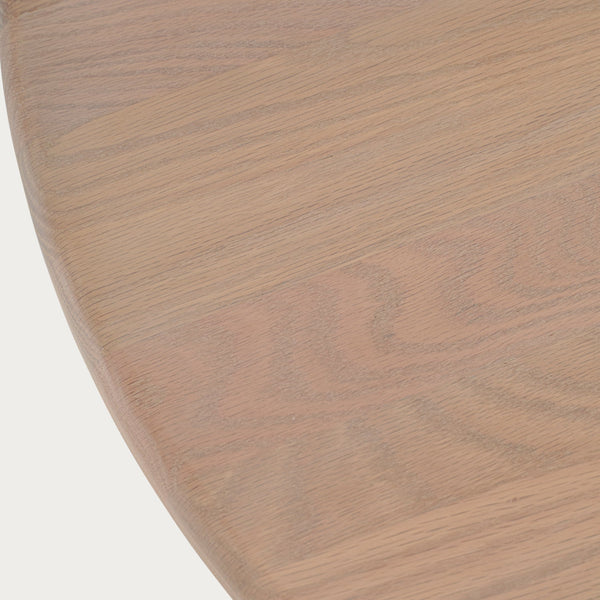
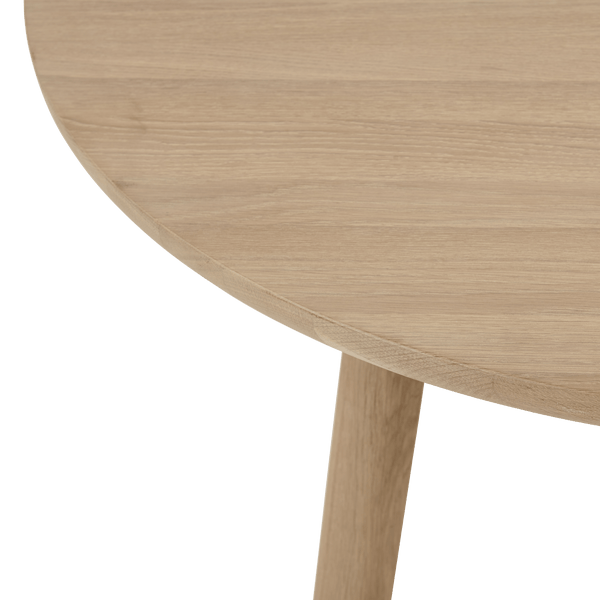
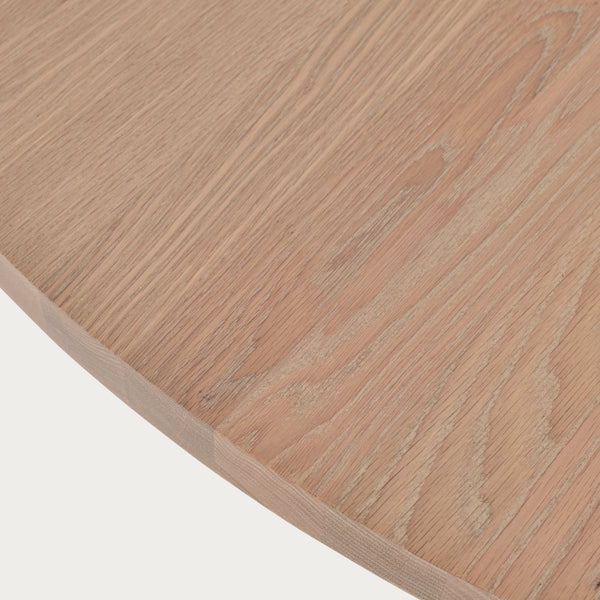
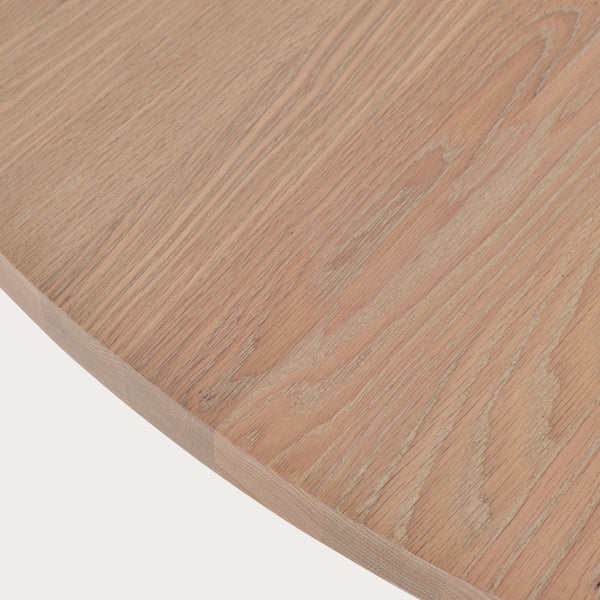
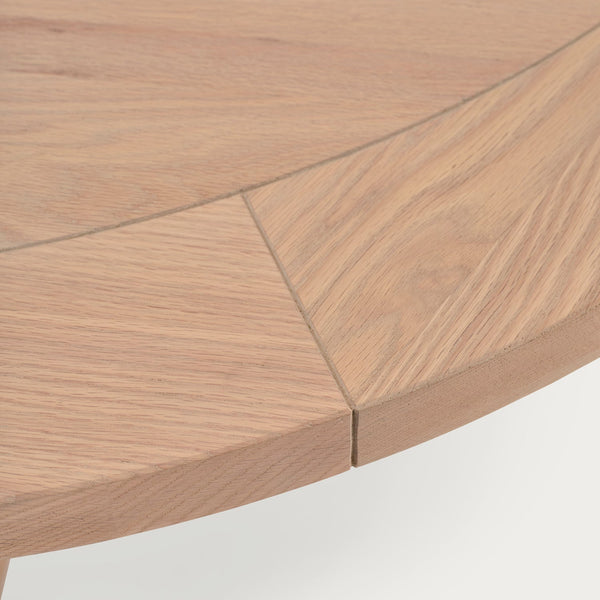
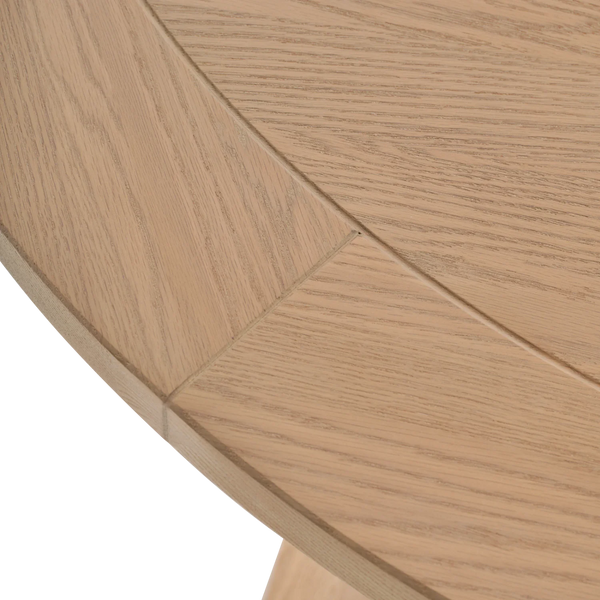
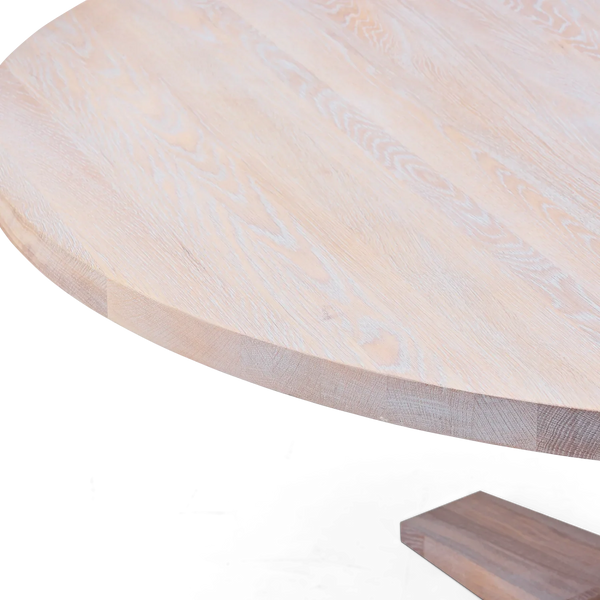
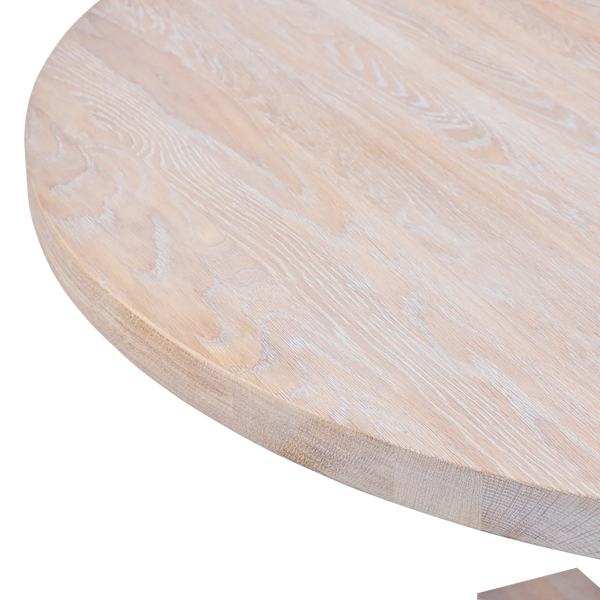
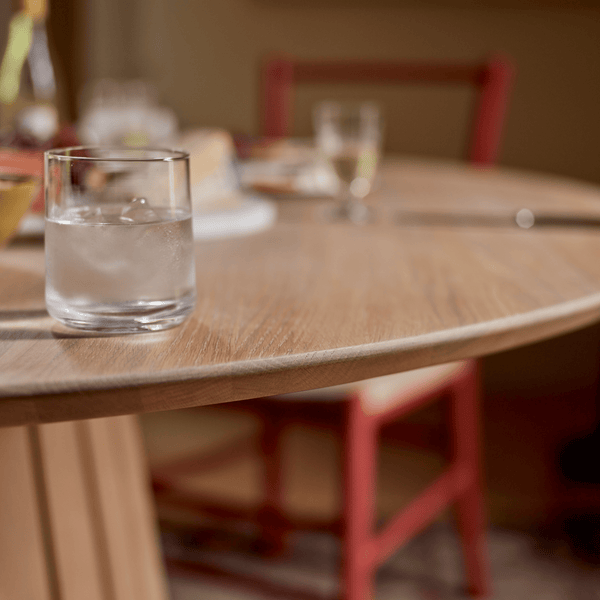
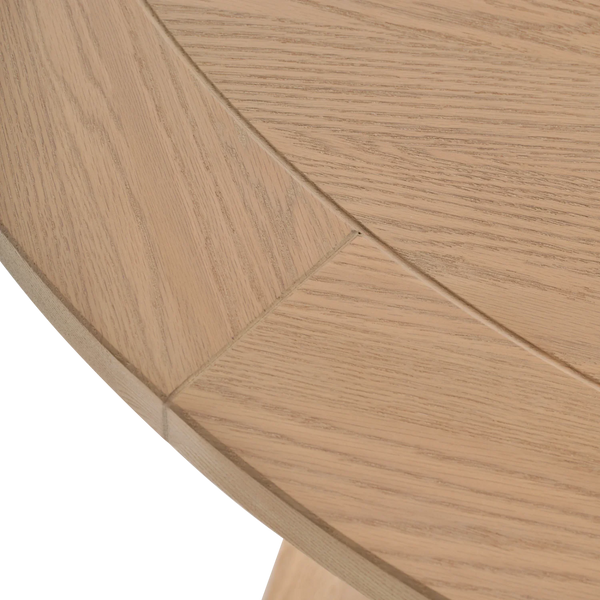
The tabletop itself deserves particular attention. A dining table sees more daily contact than almost any other piece of furniture in the home. Plates, glasses, elbows, homework, the heat of a serving dish. A round wooden dining table built from solid oak rather than a veneered surface will age differently from one that is not. The grain deepens. The timber settles into its environment. Rather than wearing out, it wears in.
Round wooden dining tables, protected and guaranteed for life
A dining table faces spills, heat, and the daily weight of shared meals in a way few other pieces of furniture do. IsoGuard® is Neptune's answer to that. Developed by our co-founders to protect solid oak without diminishing it, IsoGuard® penetrates the timber at a cellular level, binding to the raw material rather than coating the surface. There is no film to chip, no finish to wear through, and no need to refinish after years of use.
It is this combination of solid oak, traditional joinery, and IsoGuard® protection that underpins Neptune's lifetime guarantee on indoor furniture. A round dining table should outlast trends, redecoration, and decades of family meals.