


Armchairs
16 results
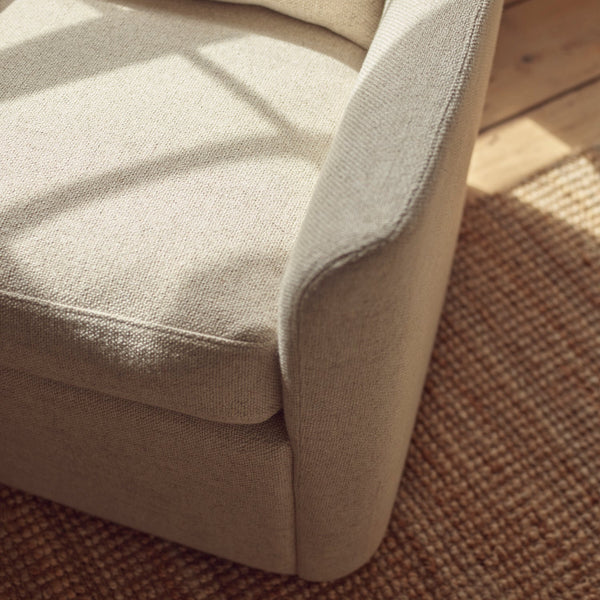
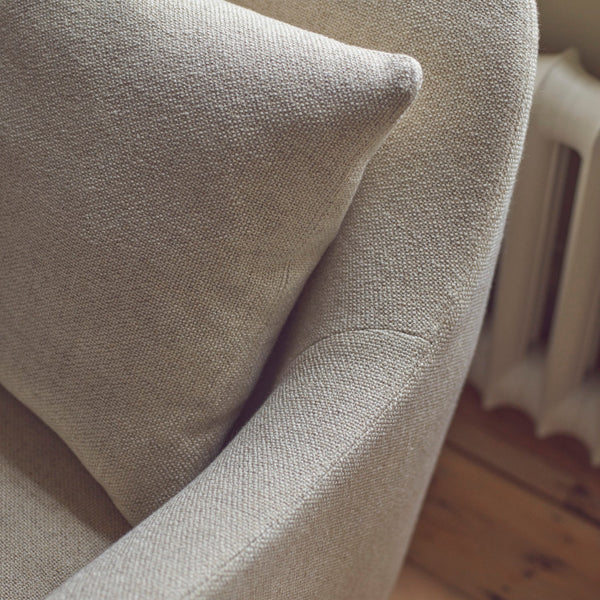
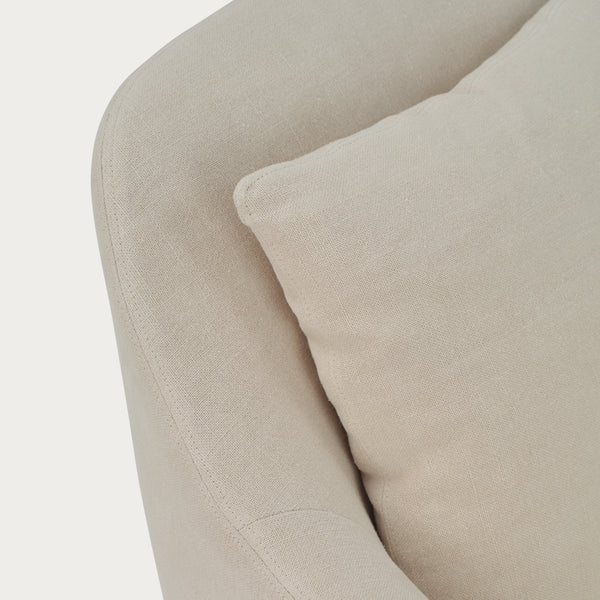
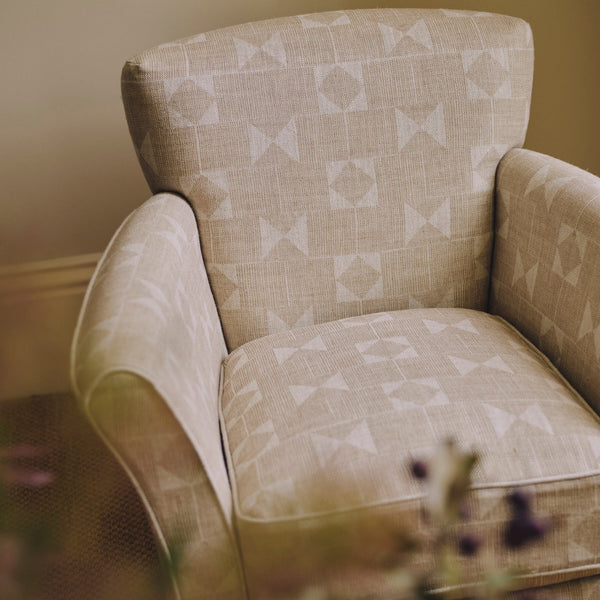
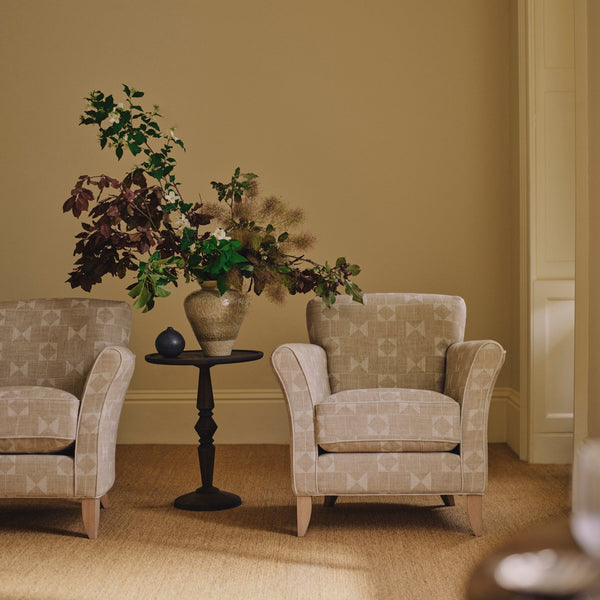
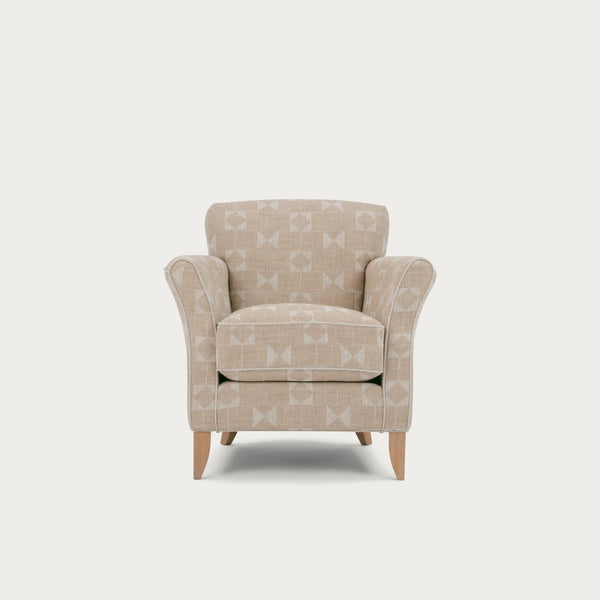
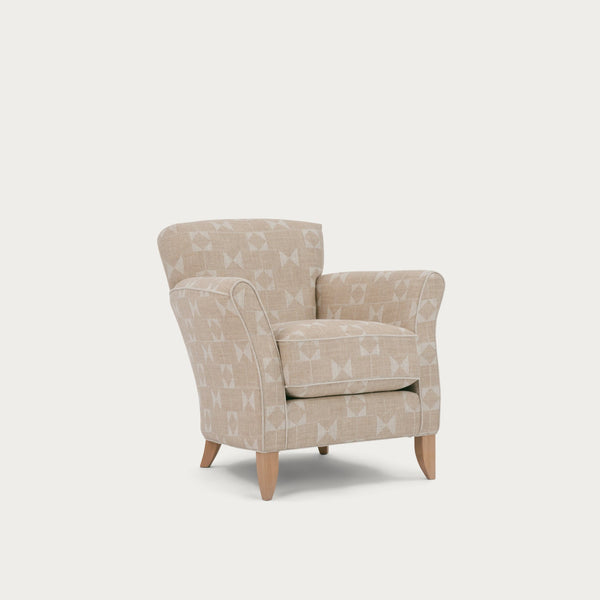
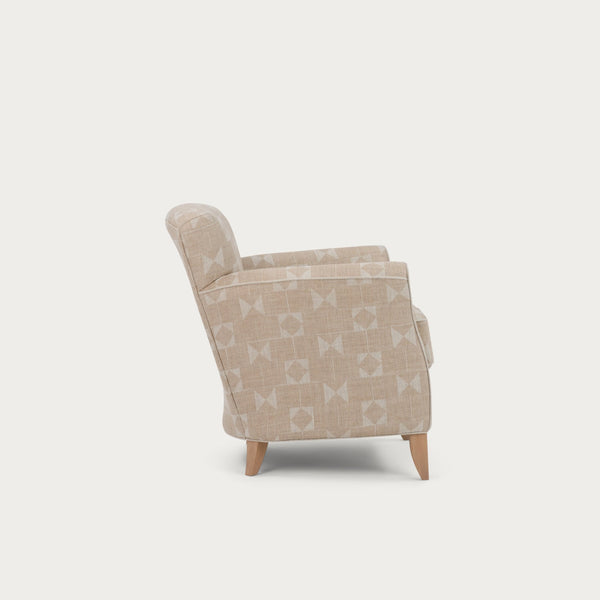
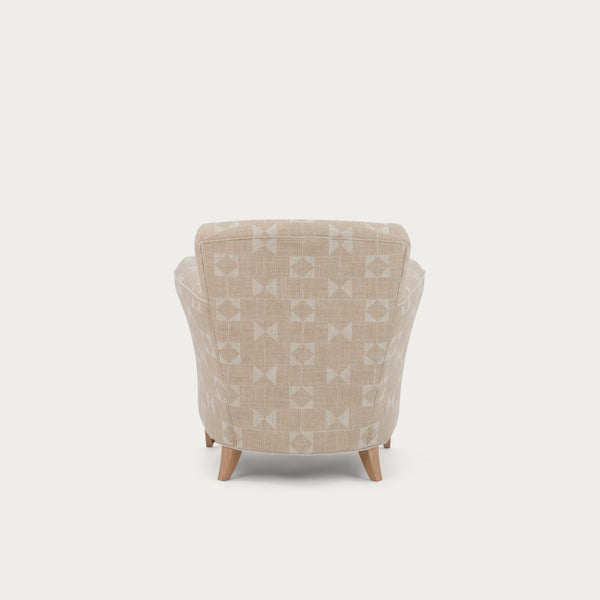
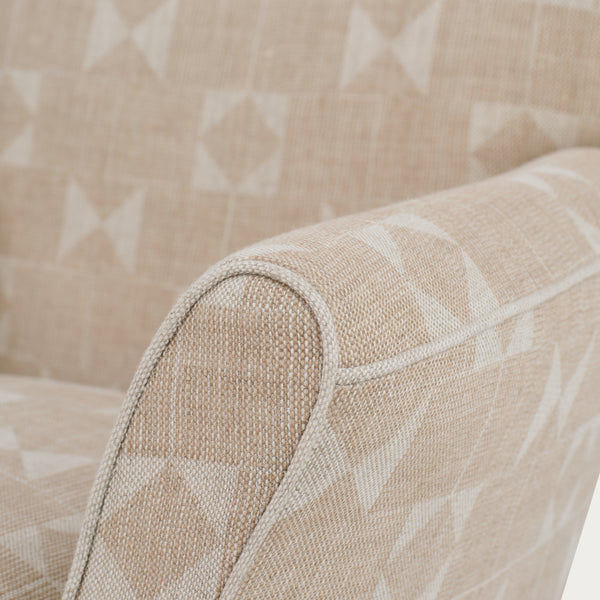
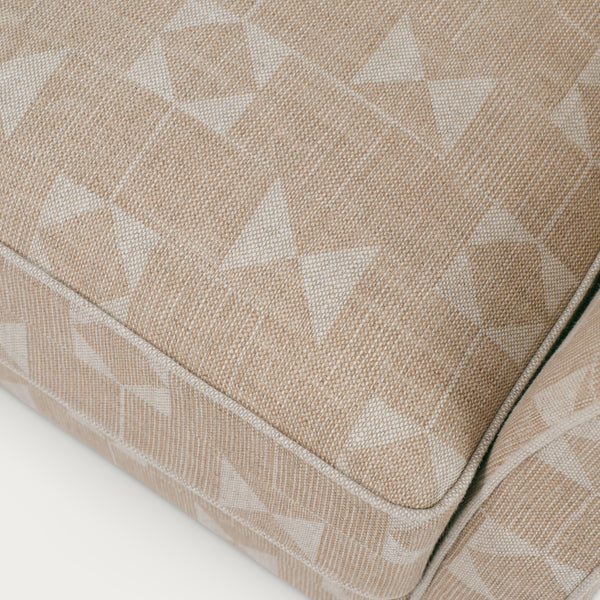
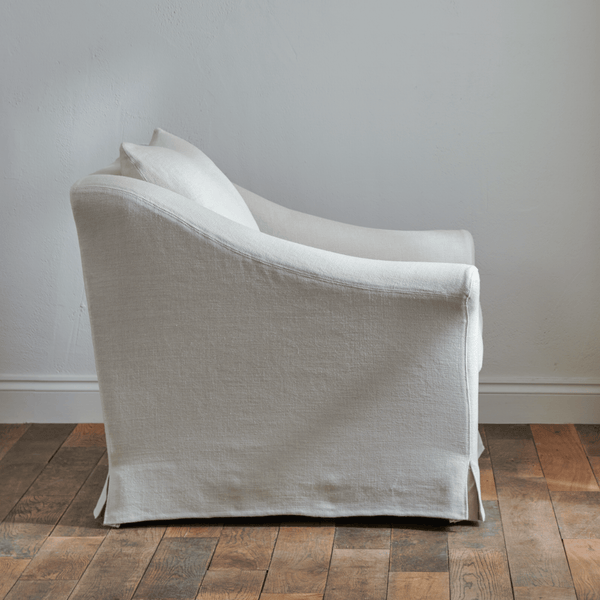
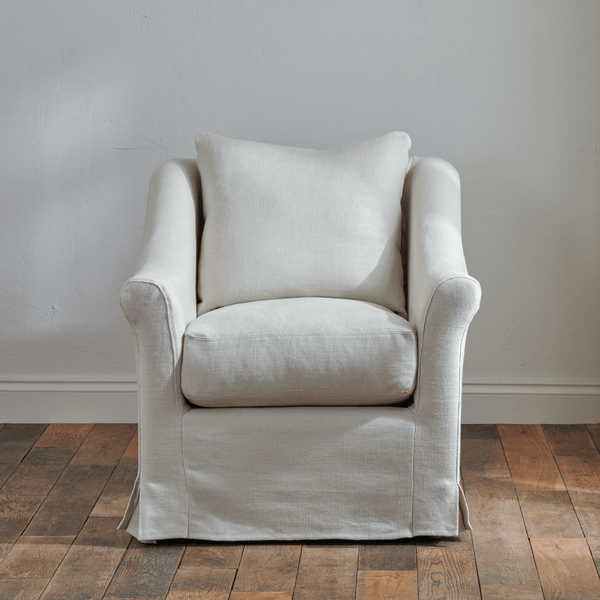
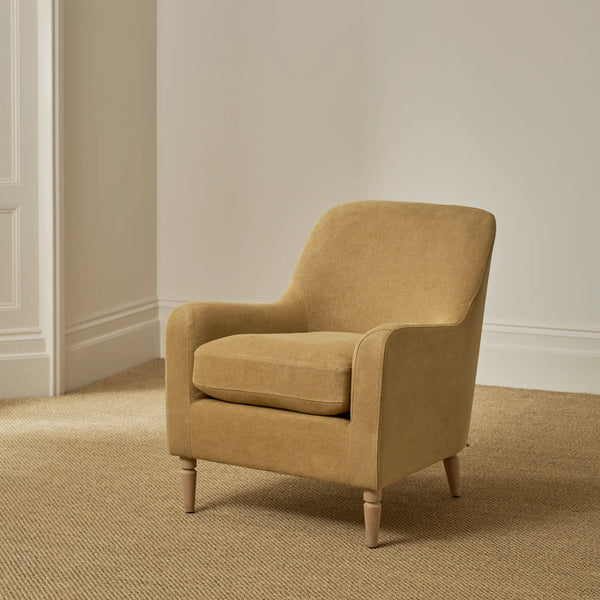
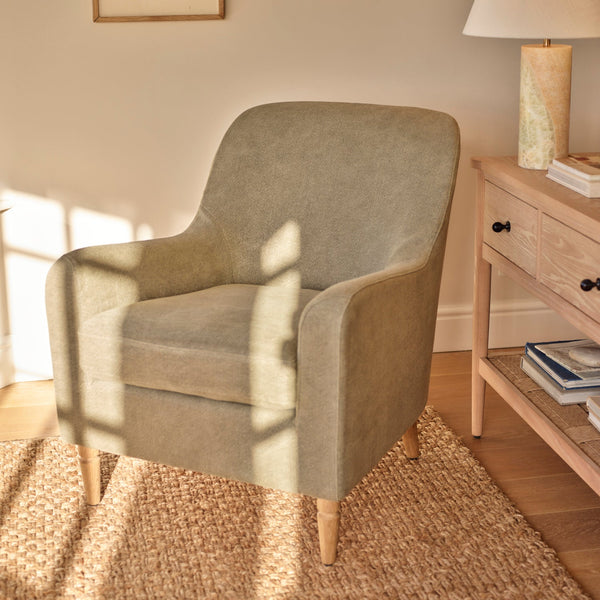
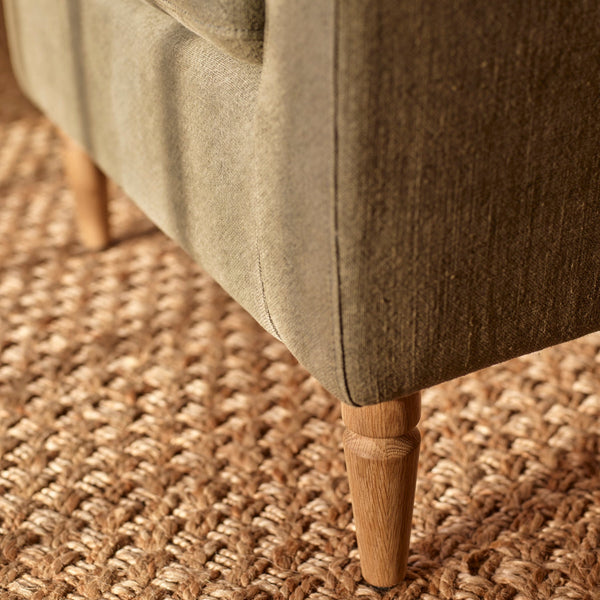
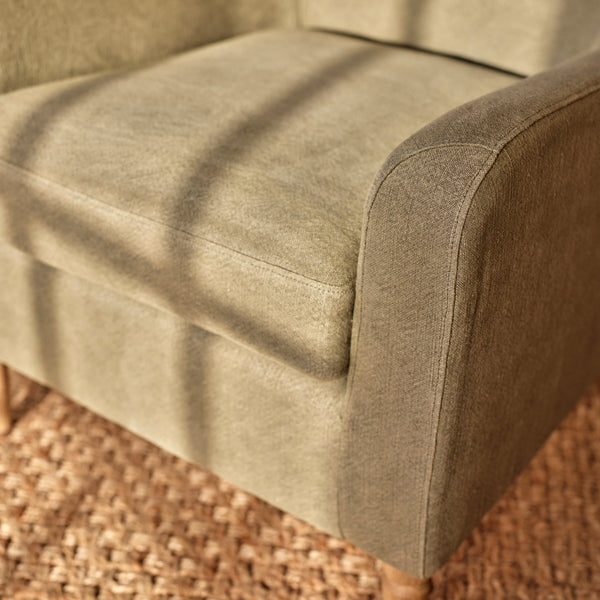
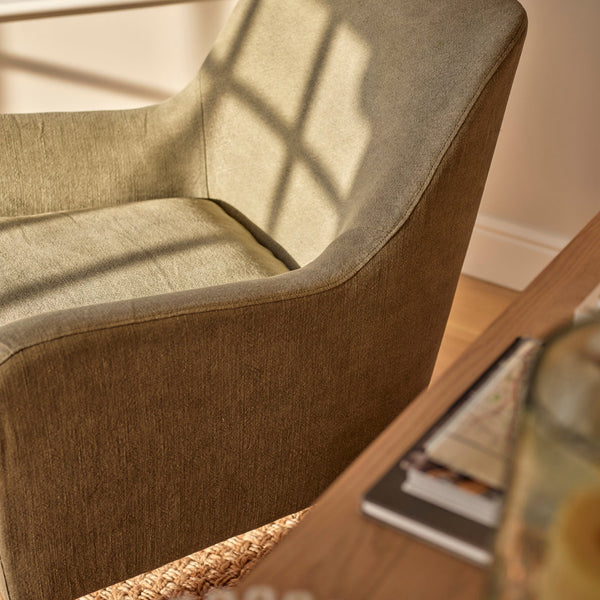
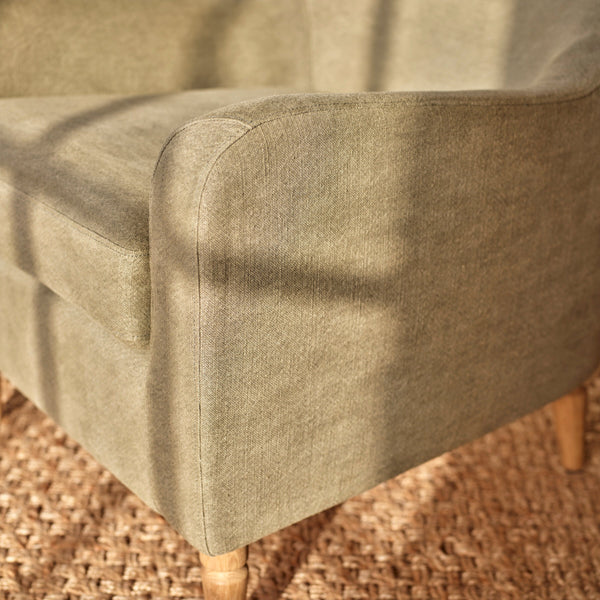
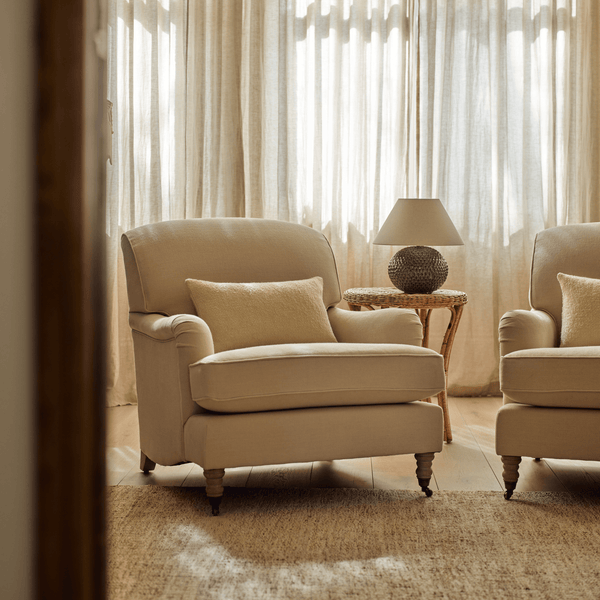
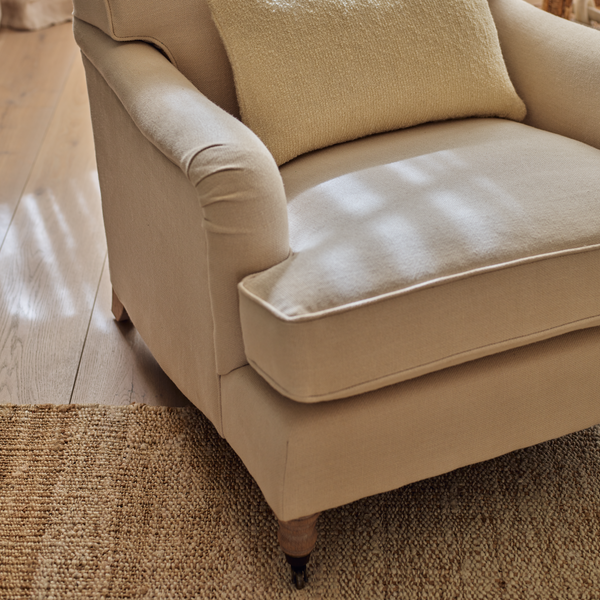
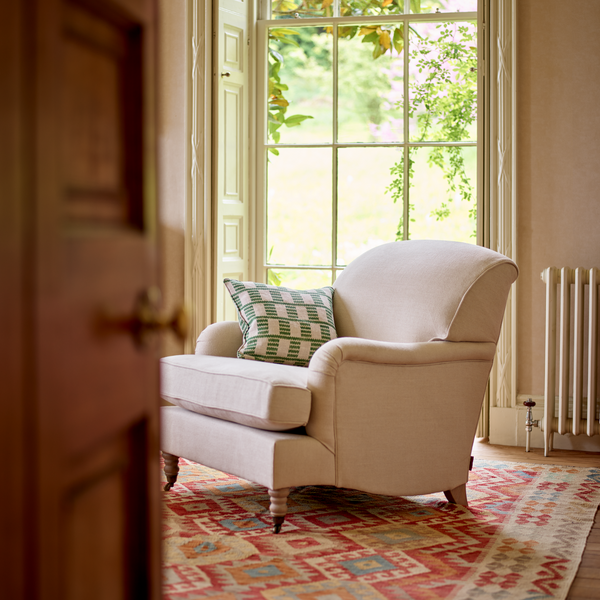
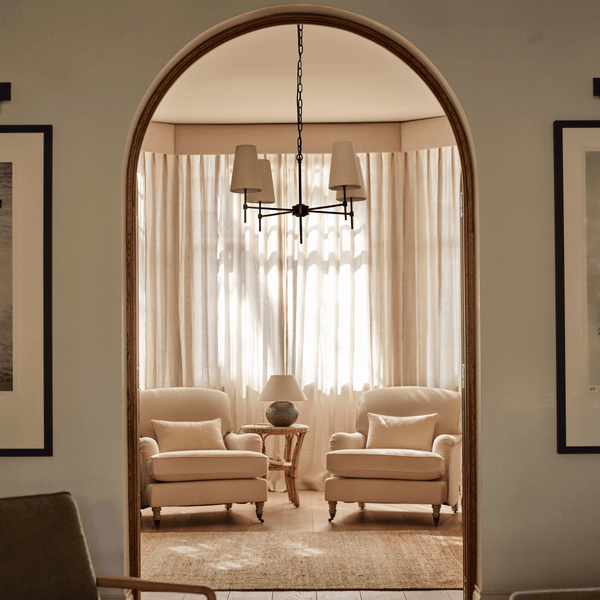
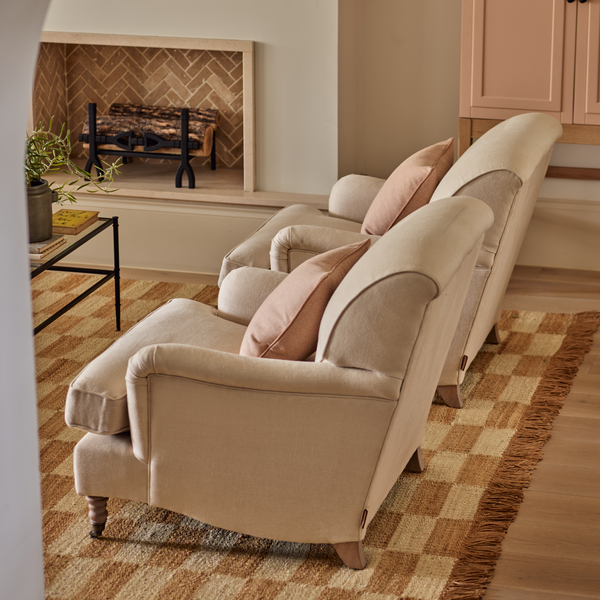
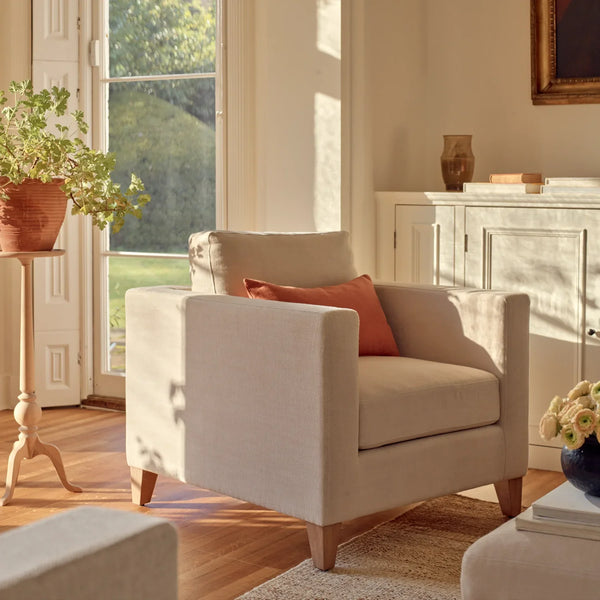
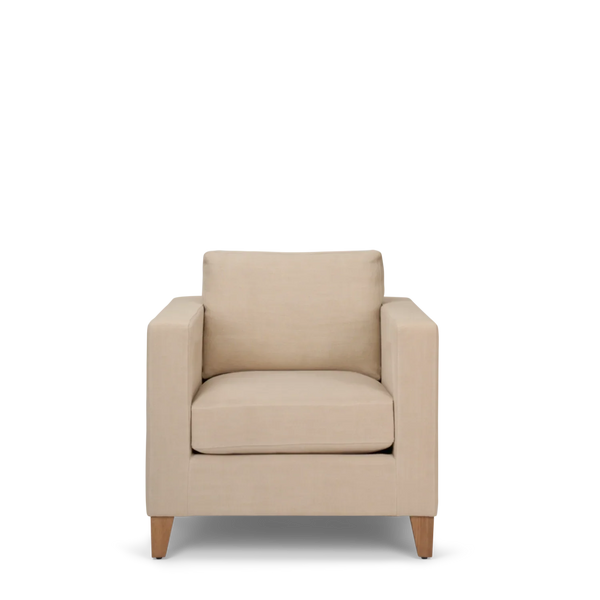
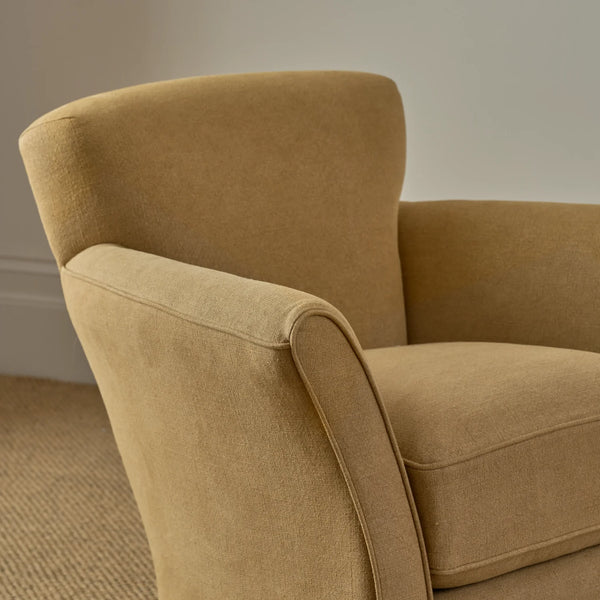
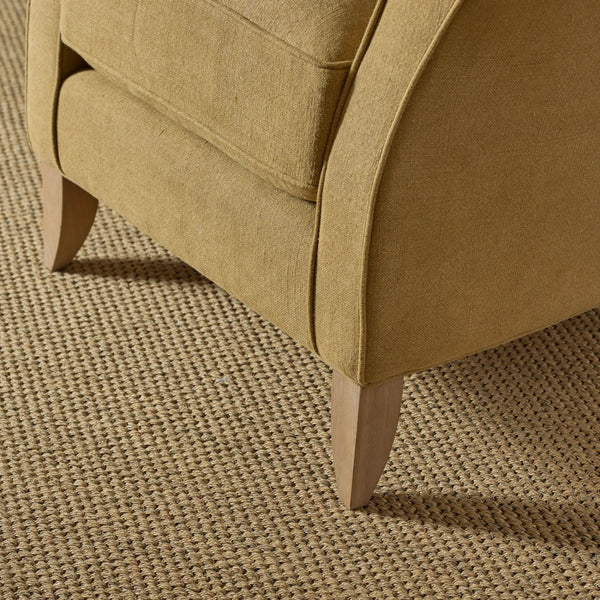
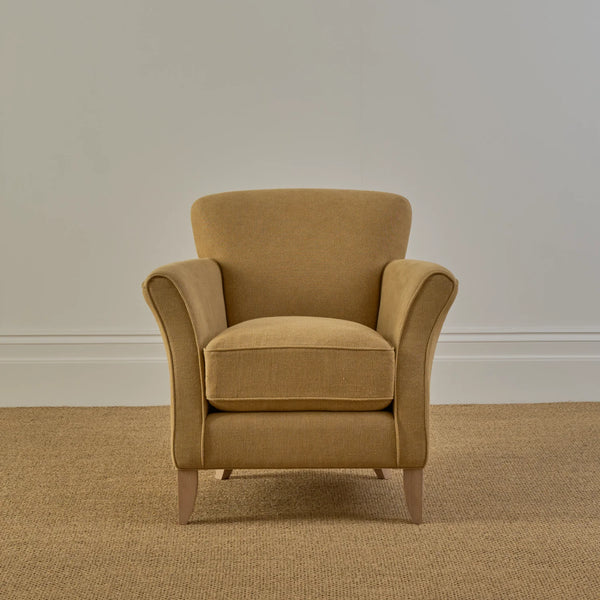
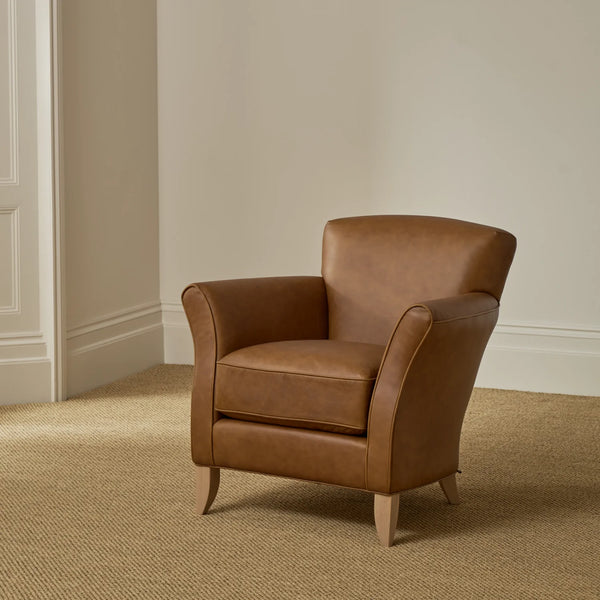
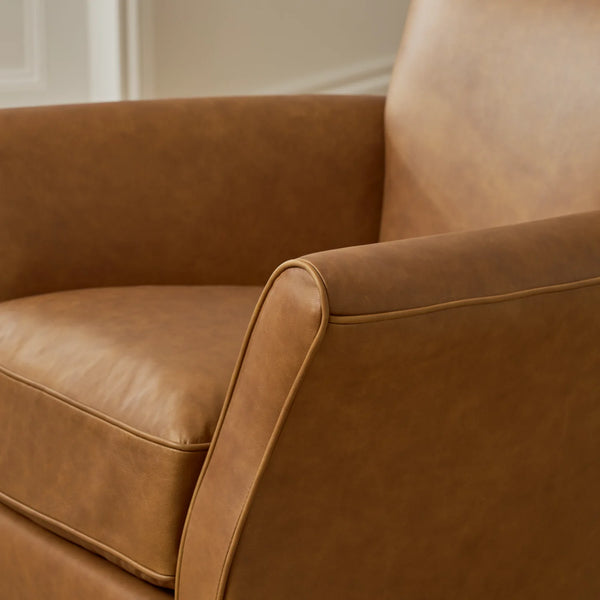
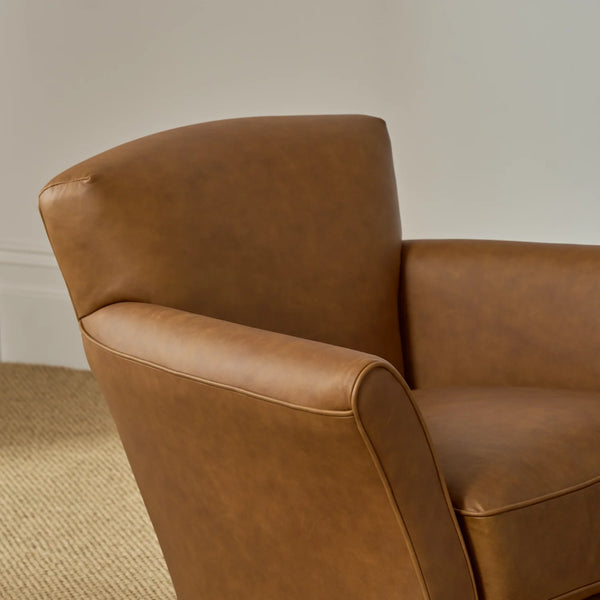
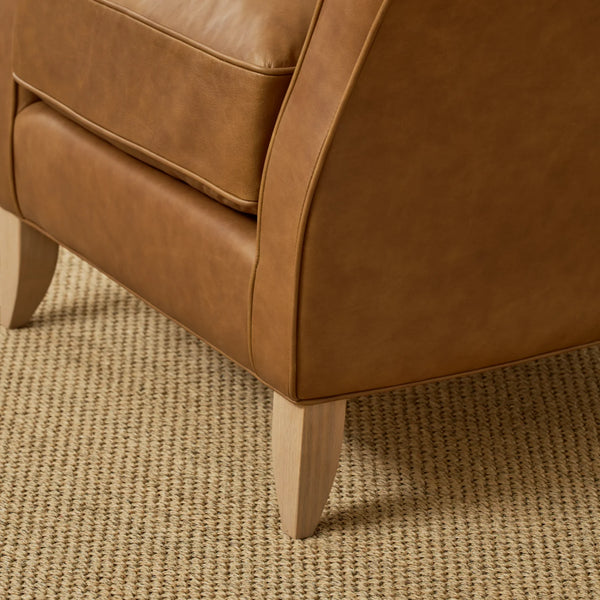
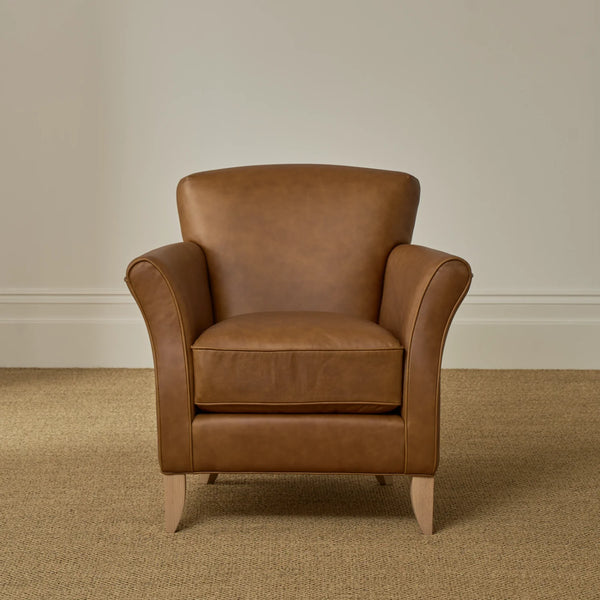
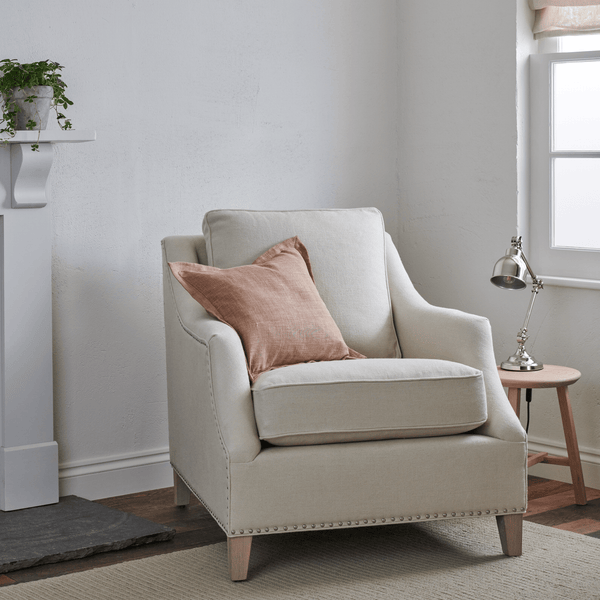
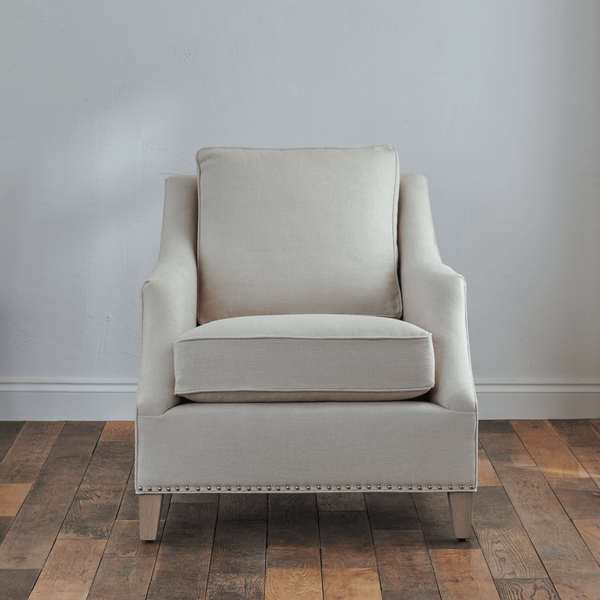
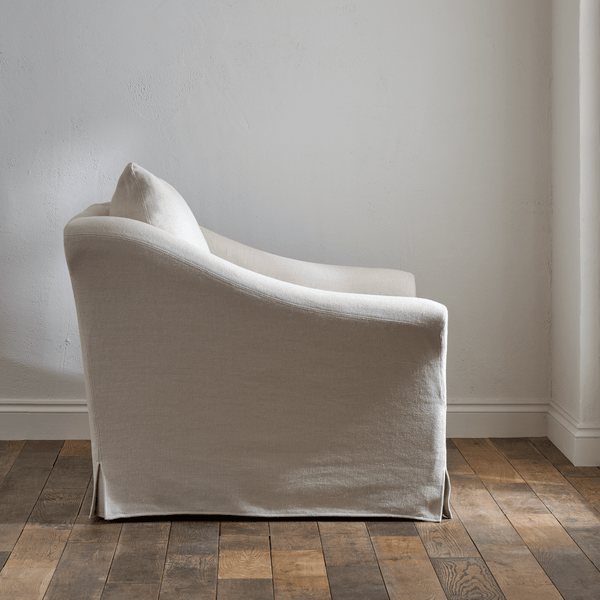
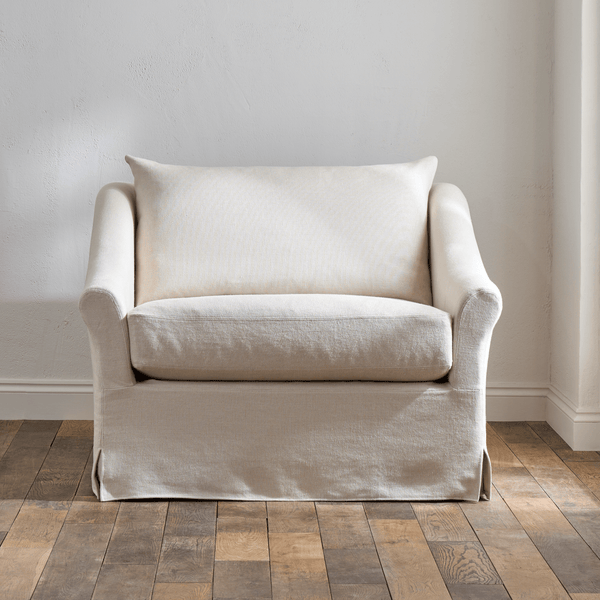
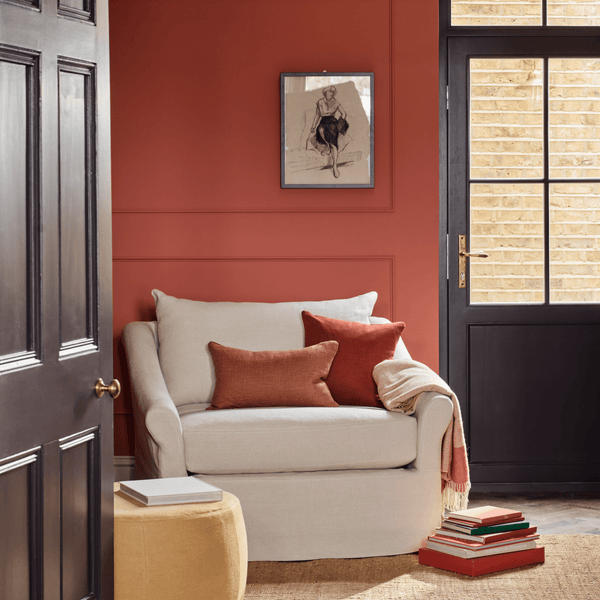
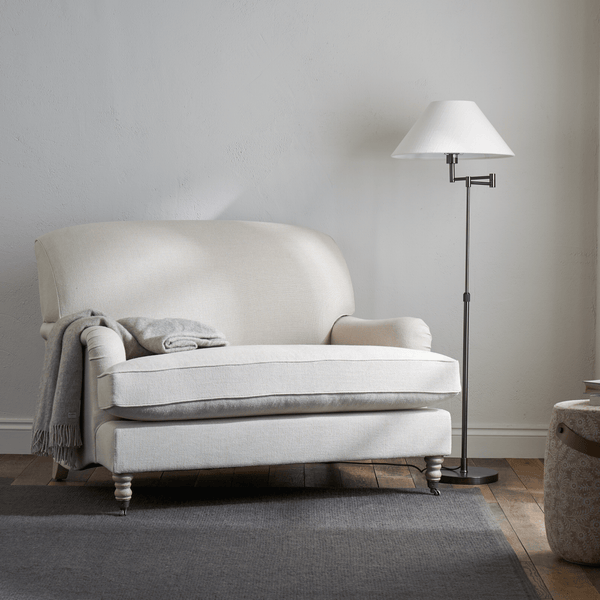
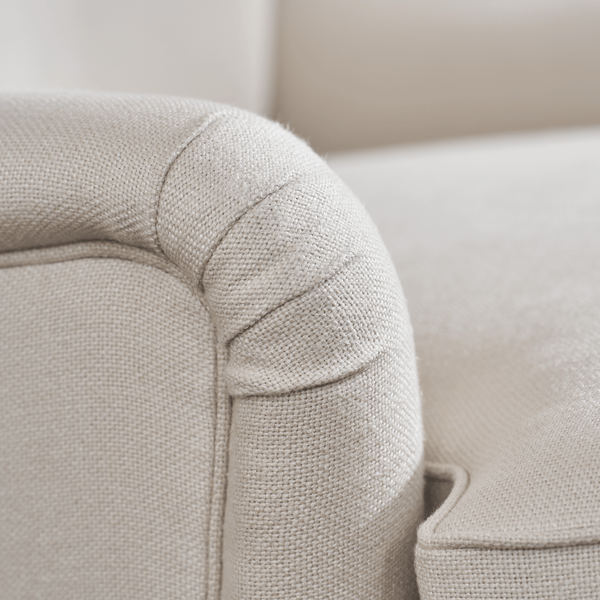
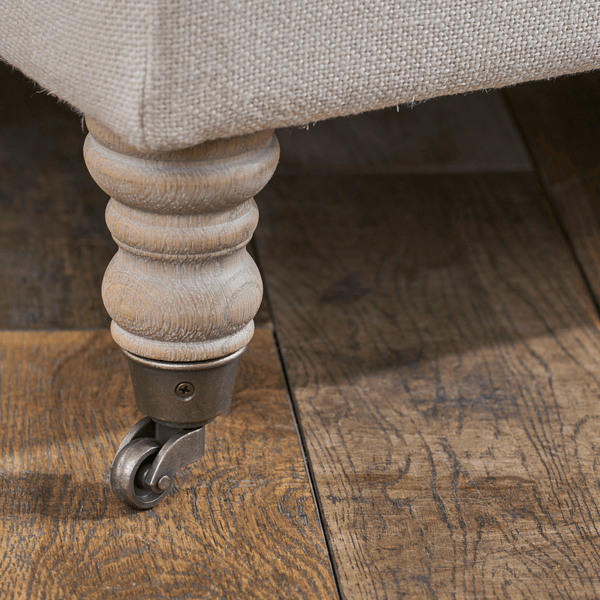
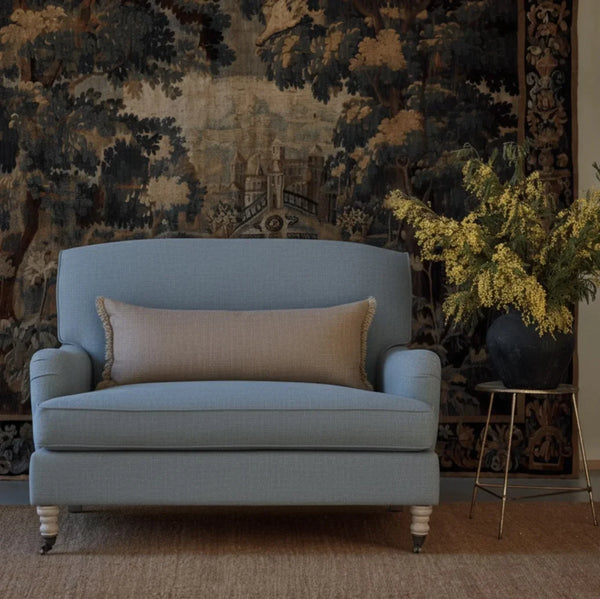
Armchairs inspired by classic British design and built with traditional upholstery methods. Each available in a custom fabric from our collection. Order free fabric samples.

Save £250 for every £2,500 you spend on living and bedroom upholstery
Terms & conditions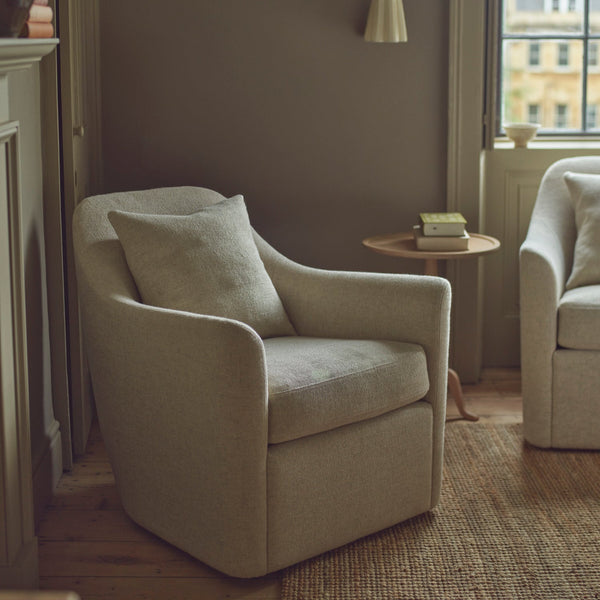
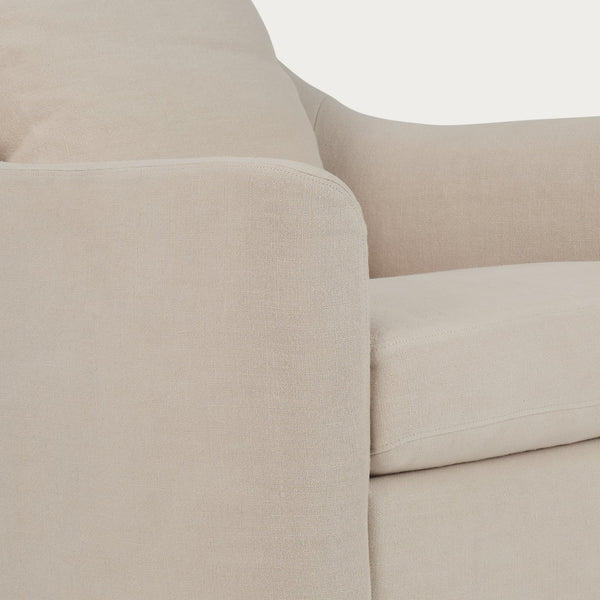
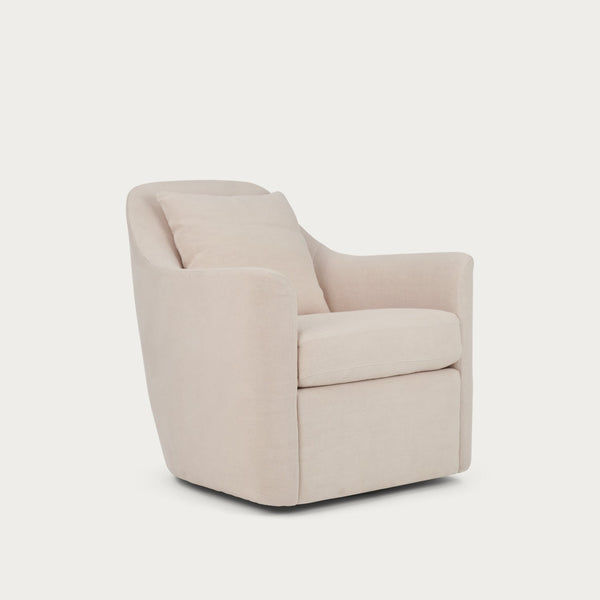
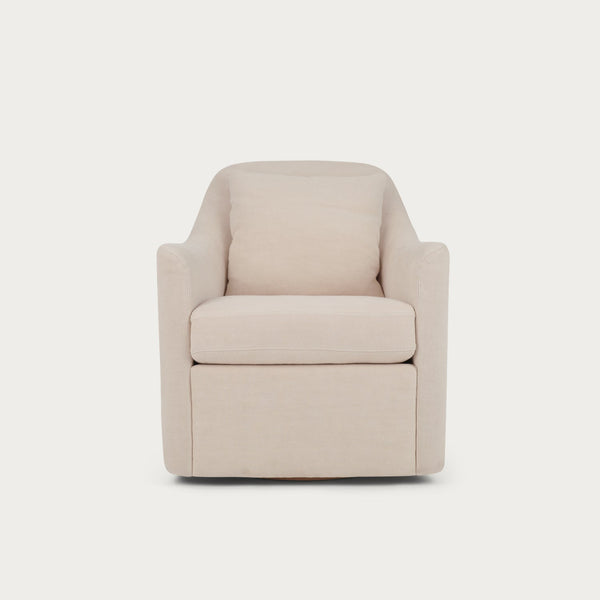
- Regular price
- From €1.595
- Regular price
-
€0 - Sale price
- From €1.595
- Percentage saved
- Save %


+24 fabrics
28 fabrics
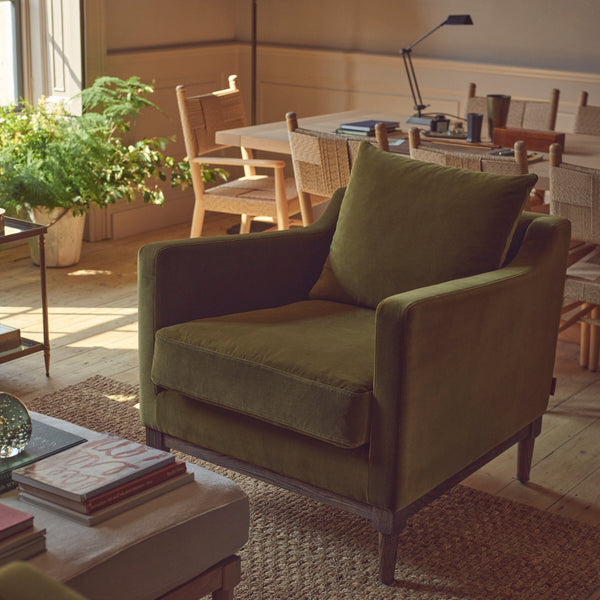
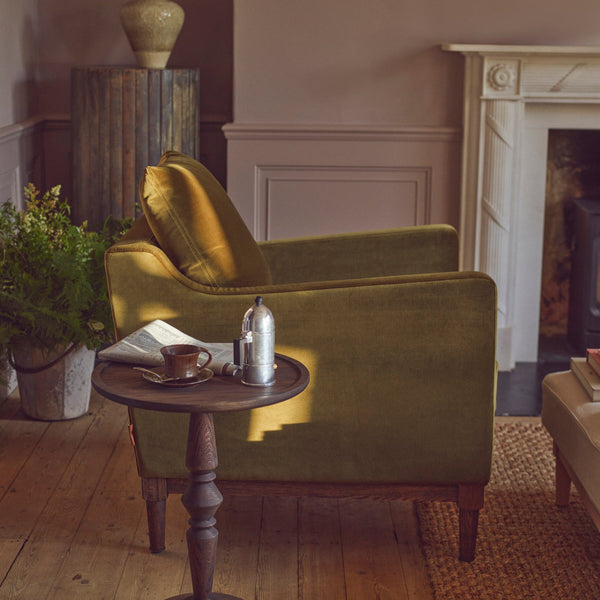
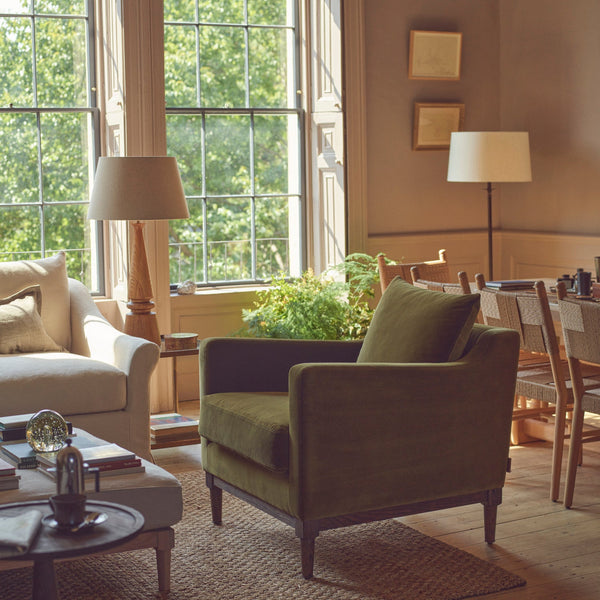
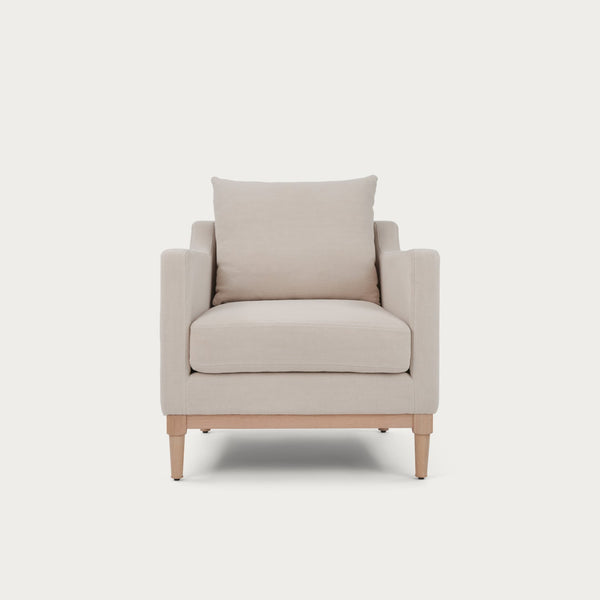
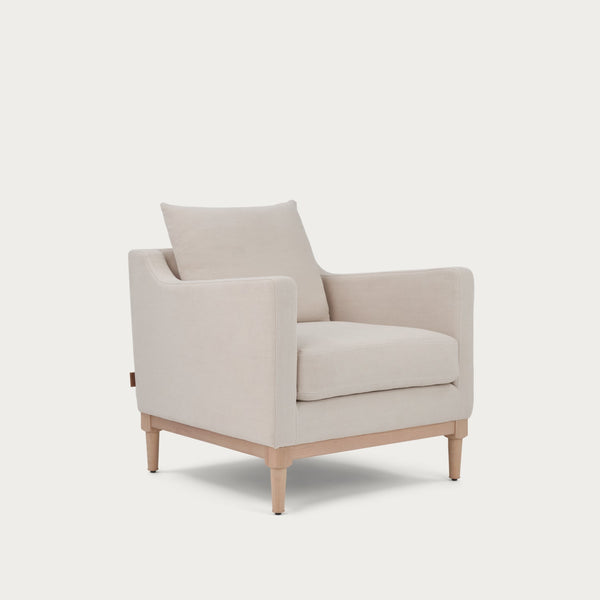
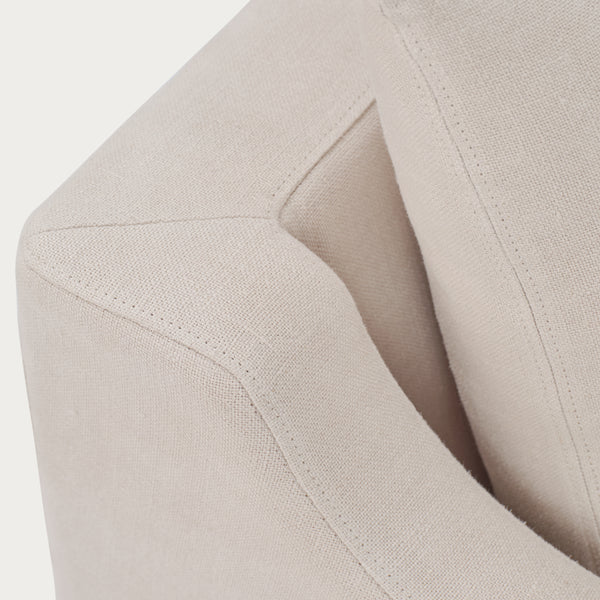
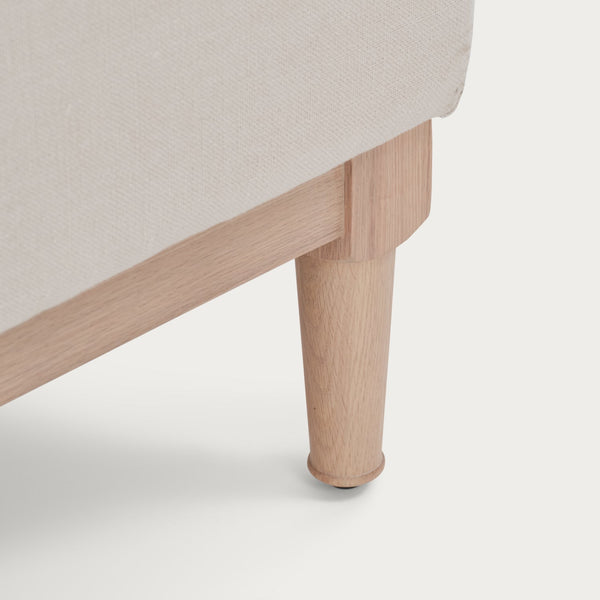
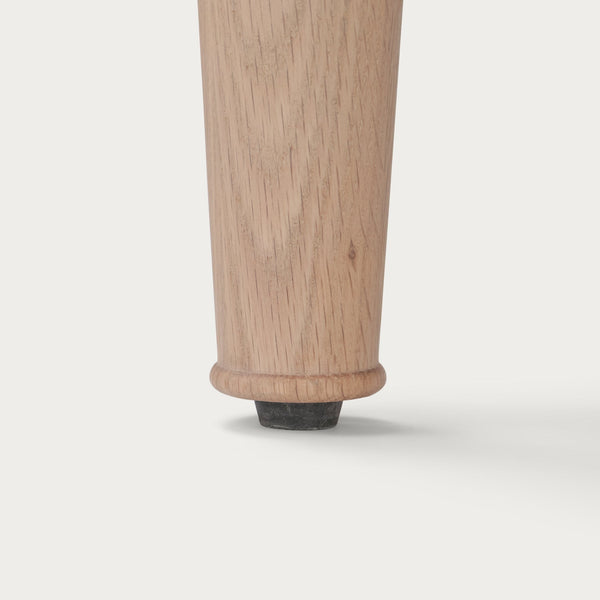
- Regular price
- From €1.795
- Regular price
-
€0 - Sale price
- From €1.795
- Percentage saved
- Save %
+22 fabrics
26 fabrics
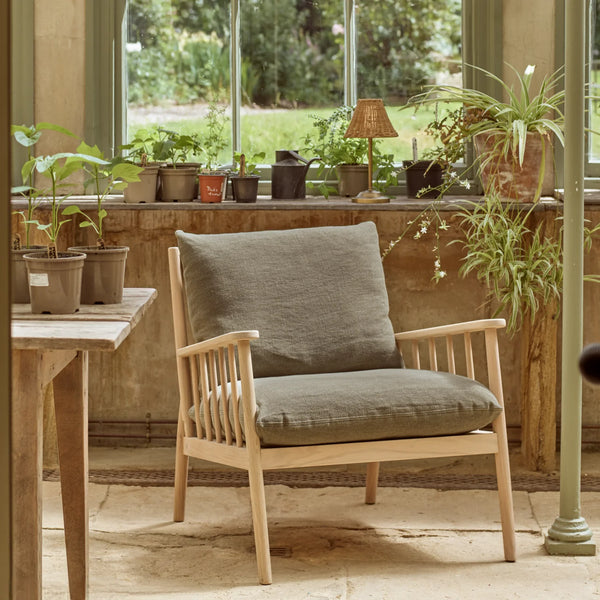
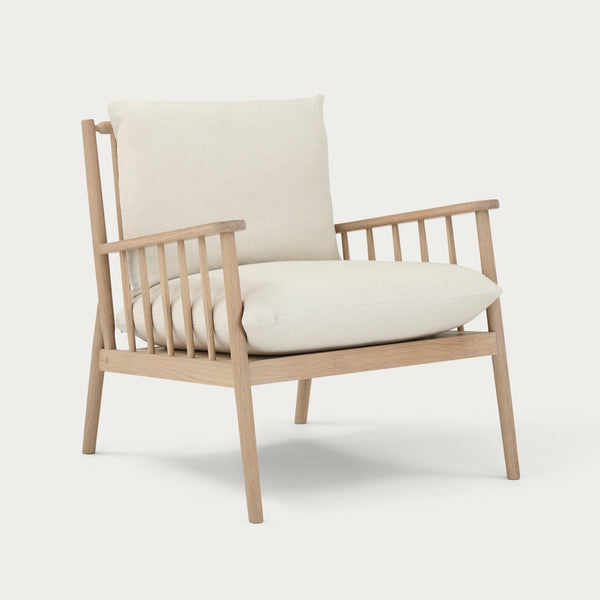
- Regular price
- From €1.535
- Regular price
-
€0 - Sale price
- From €1.535
- Percentage saved
- Save %
+23 fabrics
27 fabrics
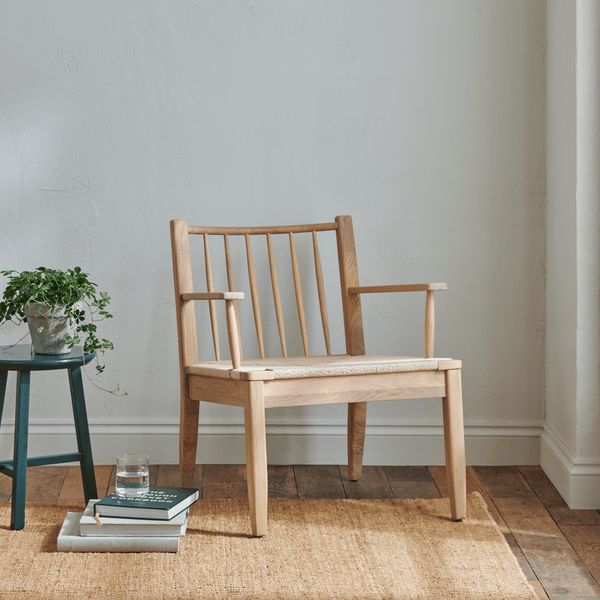
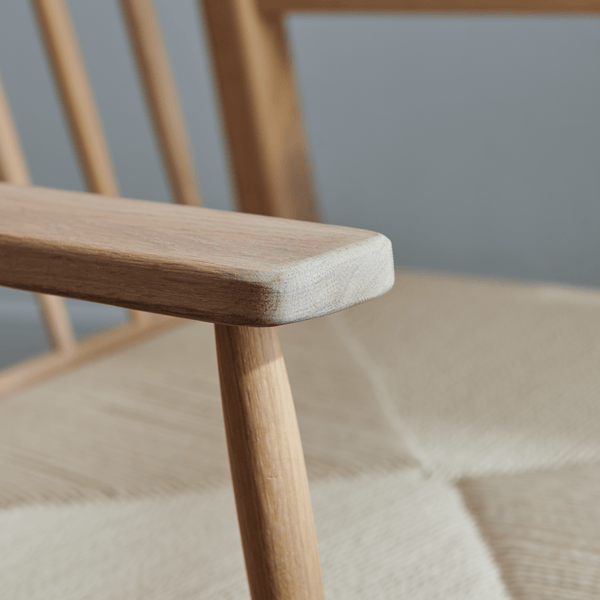
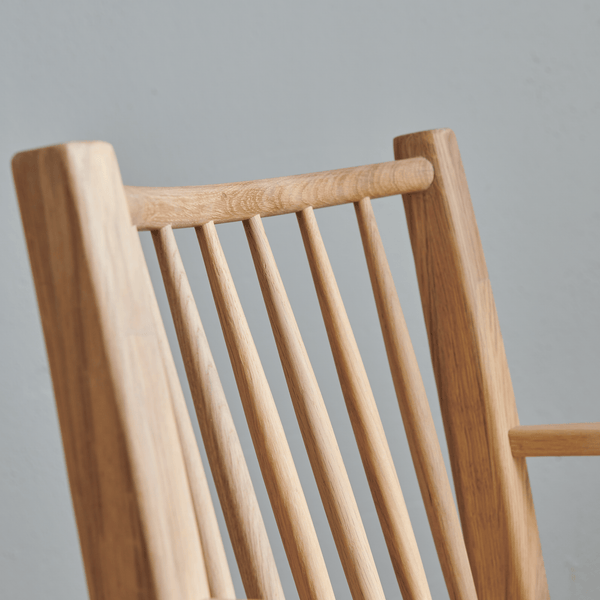
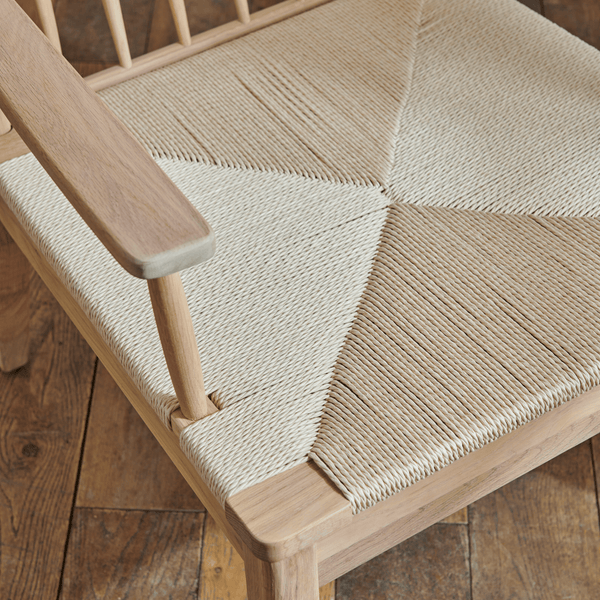
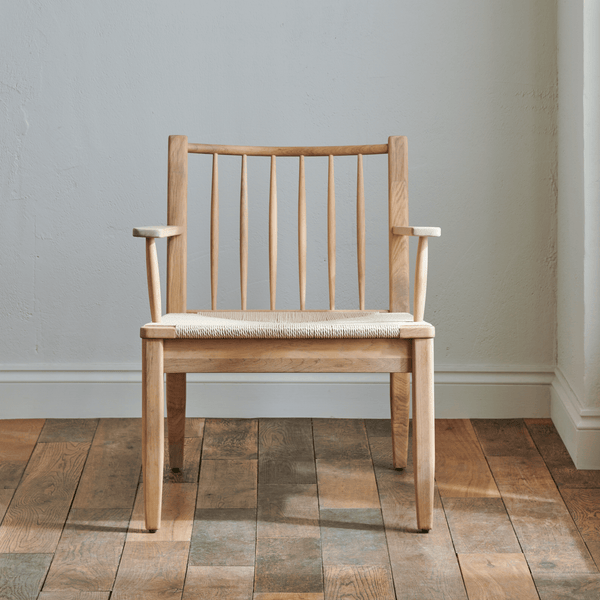
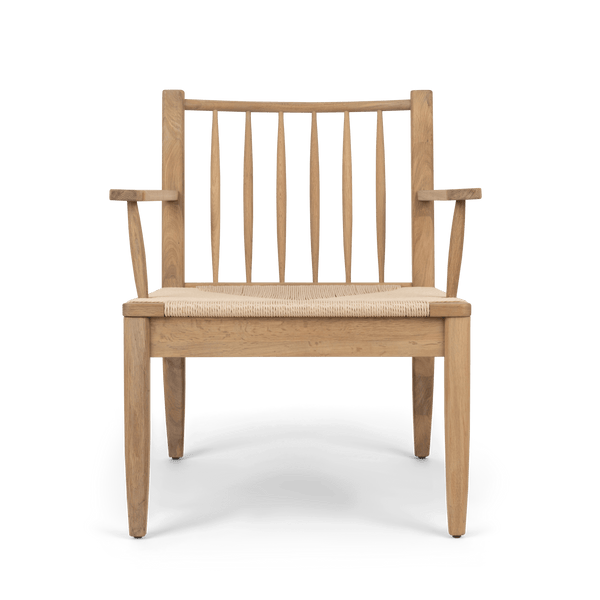
- Regular price
- €995
- Regular price
-
€0 - Sale price
- €995
- Percentage saved
- Save %


Save £250 for every £2,500 you spend on living and bedroom upholstery
Whether you're furnishing just one room or updating your whole home, now is the perfect time to invest in upholstered furniture that lasts a lifetime.
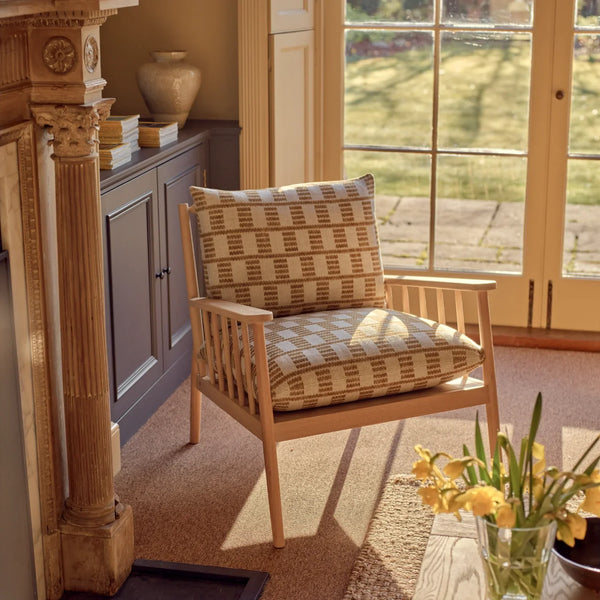
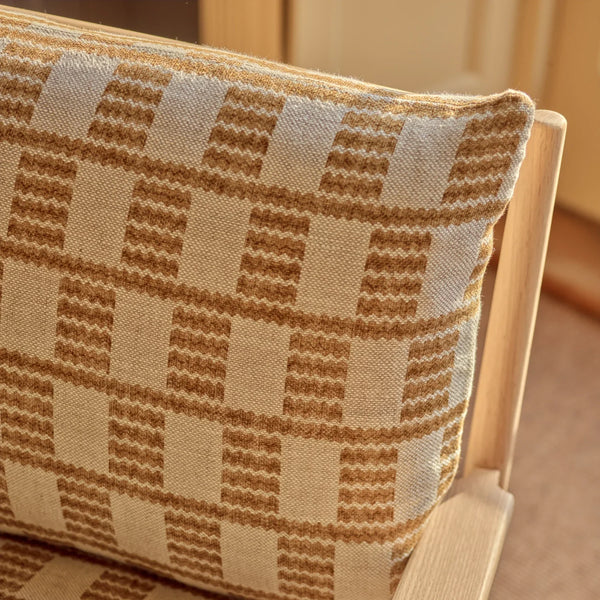
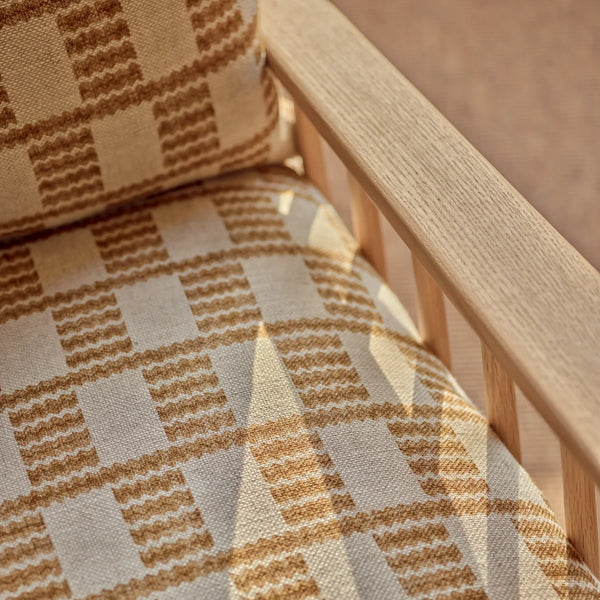
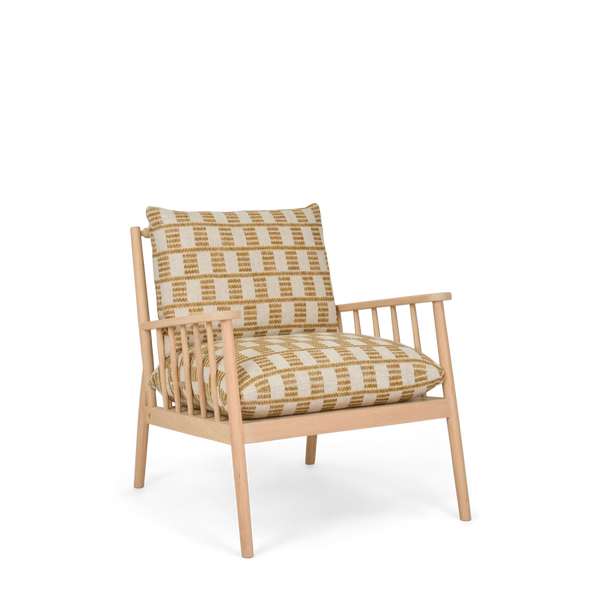
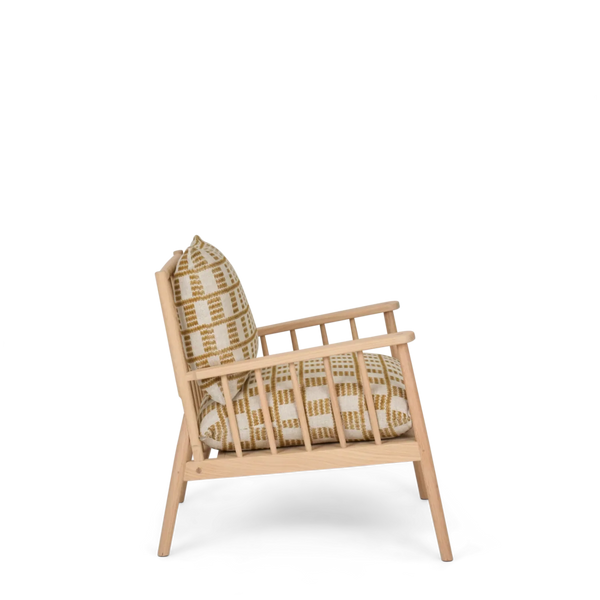
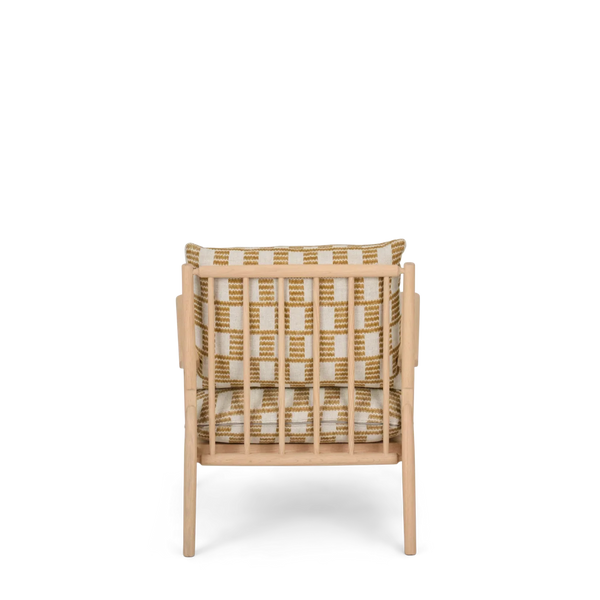
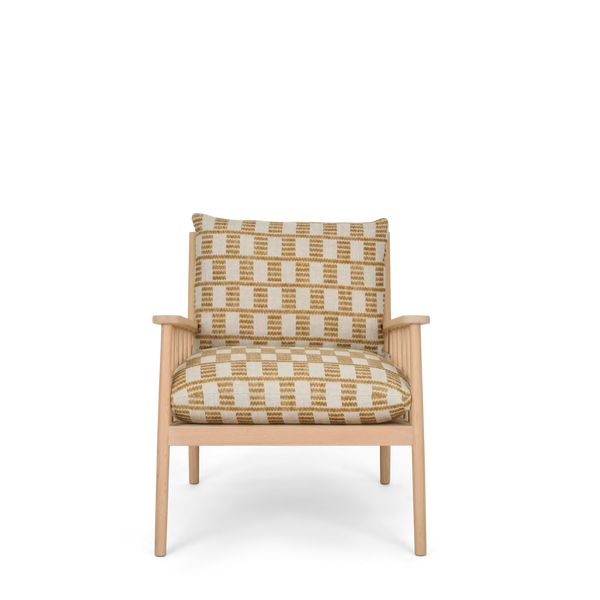
- Regular price
- €1.825
- Regular price
-
€0 - Sale price
- €1.825
- Percentage saved
- Save %
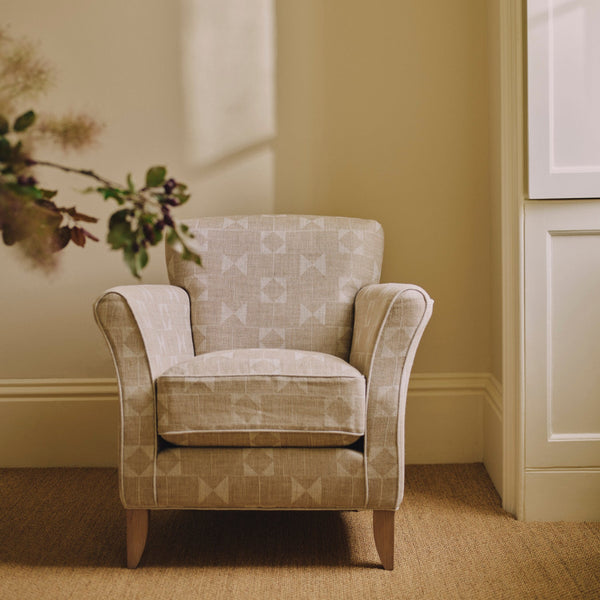
- Regular price
- €1.950
- Regular price
-
€0 - Sale price
- €1.950
- Percentage saved
- Save %
- Regular price
- From €2.250
- Regular price
-
€0 - Sale price
- From €2.250
- Percentage saved
- Save %


+11 fabrics
15 fabrics
- Regular price
- From €1.350
- Regular price
-
€0 - Sale price
- From €1.350
- Percentage saved
- Save %
+23 fabrics
27 fabrics

- Regular price
- From €1.995
- Regular price
-
€0 - Sale price
- From €1.995
- Percentage saved
- Save %
+23 fabrics
27 fabrics
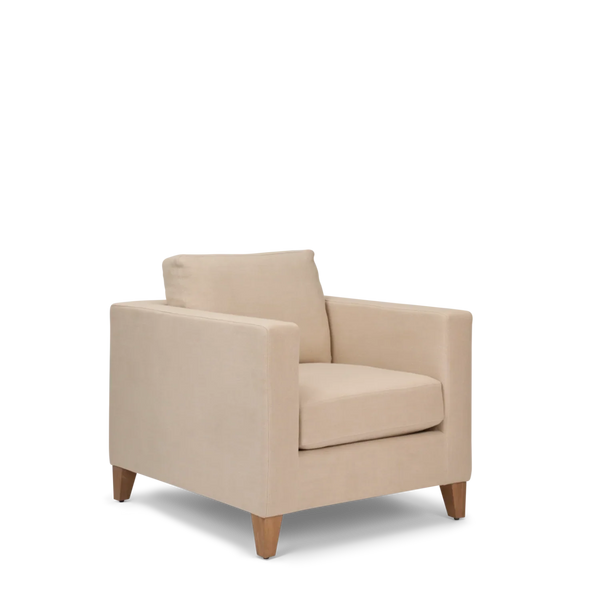
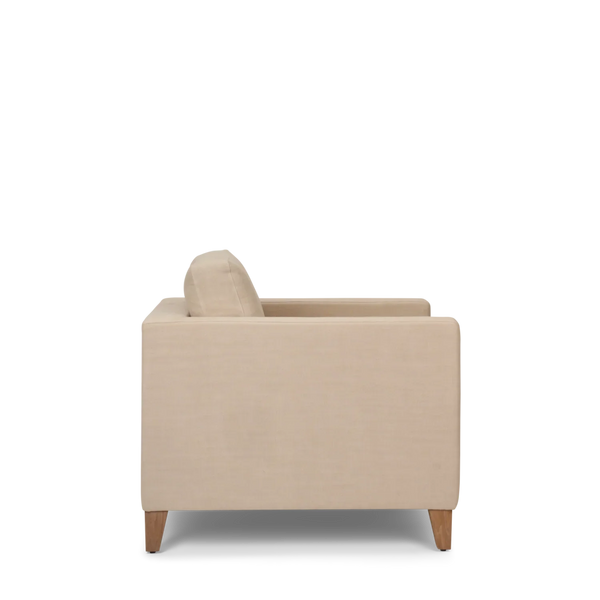
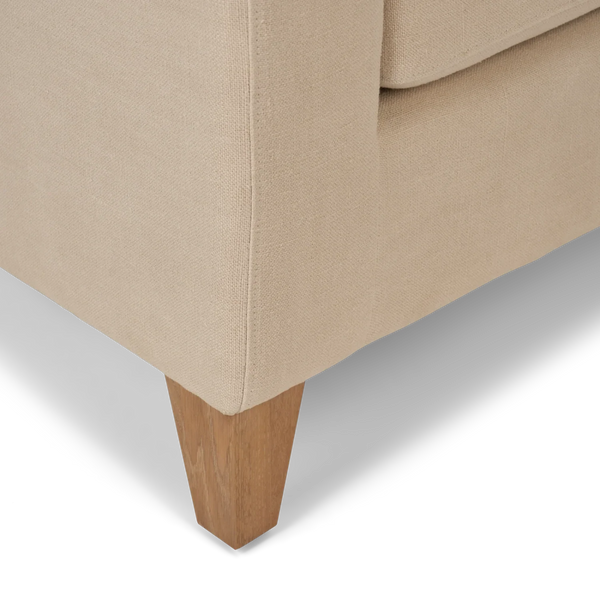
- Regular price
- From €1.350
- Regular price
-
€0 - Sale price
- From €1.350
- Percentage saved
- Save %
+24 fabrics
28 fabrics
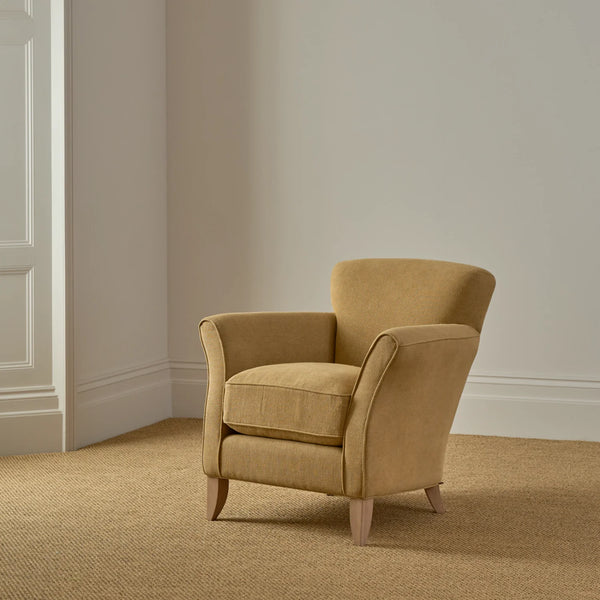
- Regular price
- From €1.450
- Regular price
-
€0 - Sale price
- From €1.450
- Percentage saved
- Save %
+23 fabrics
27 fabrics
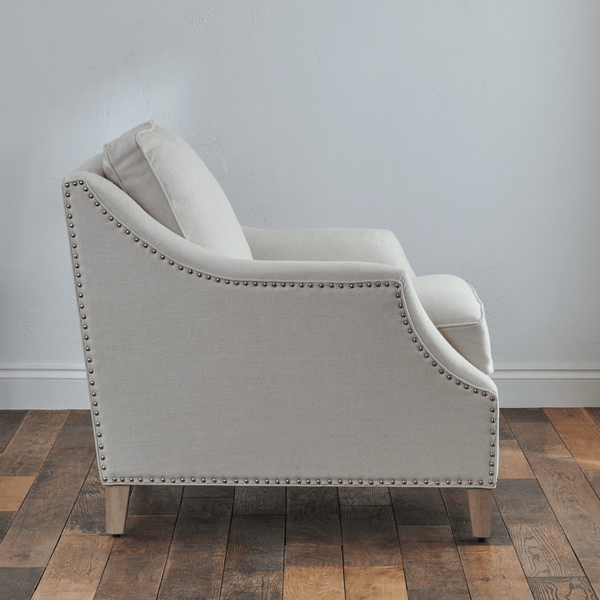
- Regular price
- From €2.395
- Regular price
-
€0 - Sale price
- From €2.395
- Percentage saved
- Save %
+22 fabrics
26 fabrics
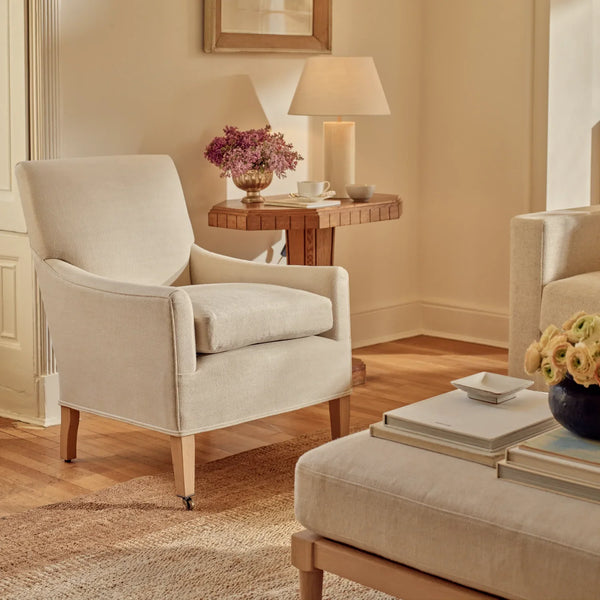
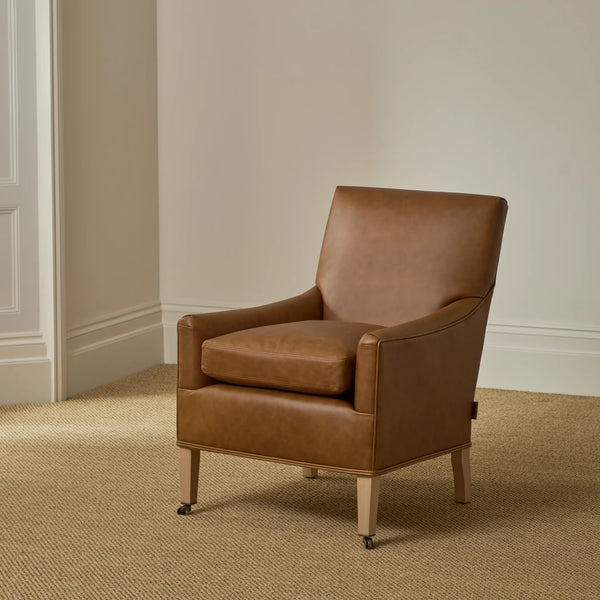
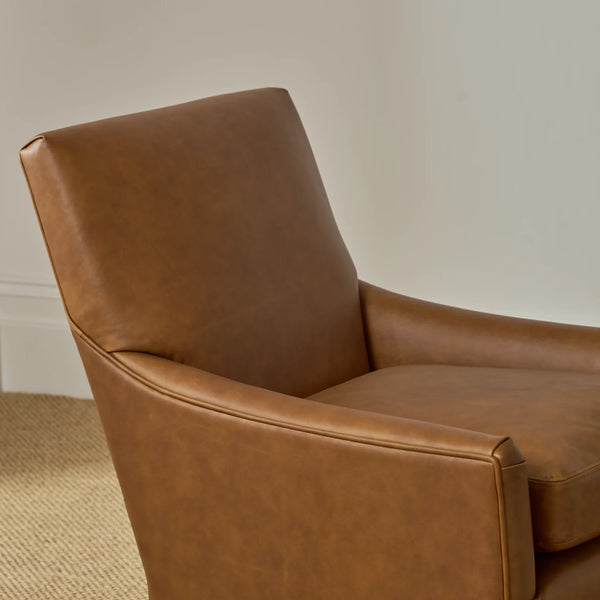
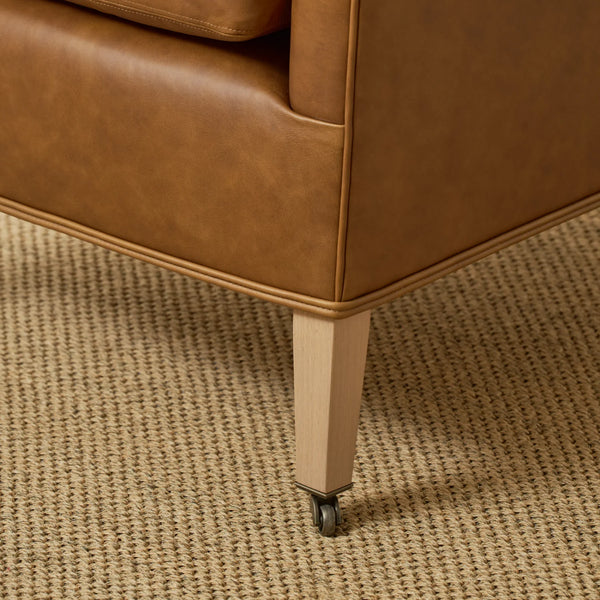
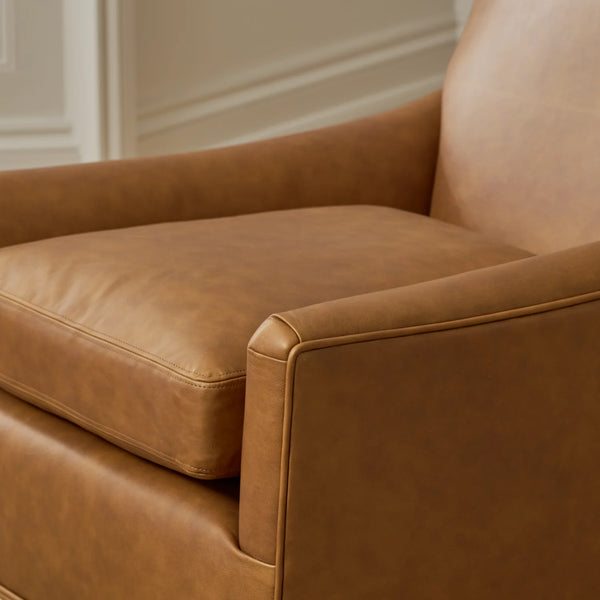
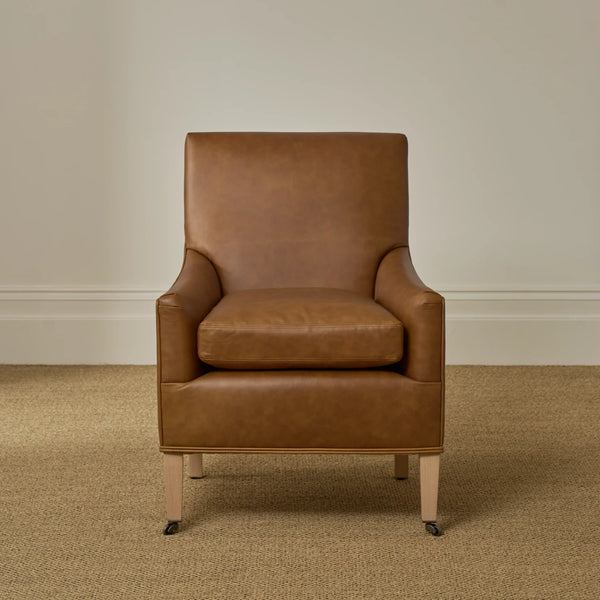
- Regular price
- From €1.195
- Regular price
-
€0 - Sale price
- From €1.195
- Percentage saved
- Save %
+22 fabrics
26 fabrics
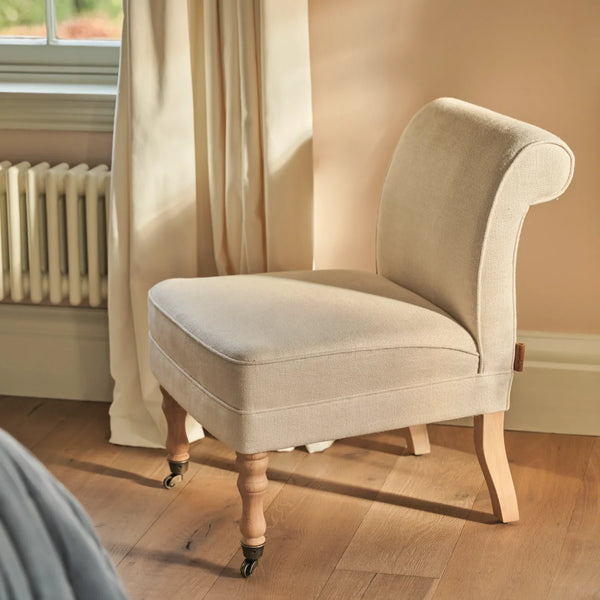
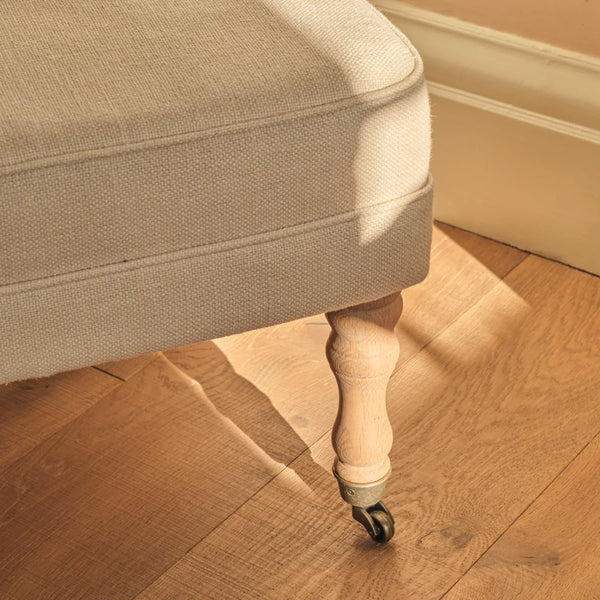
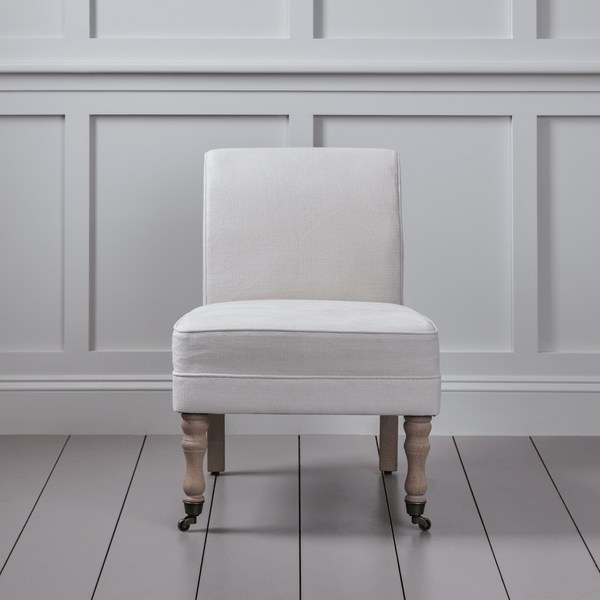
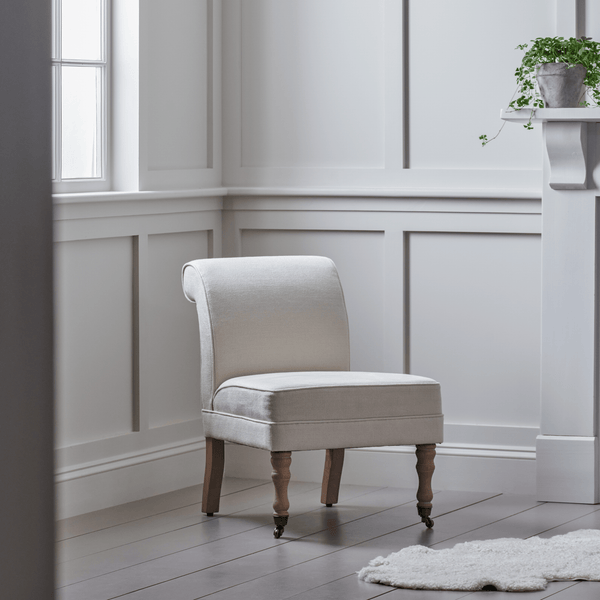
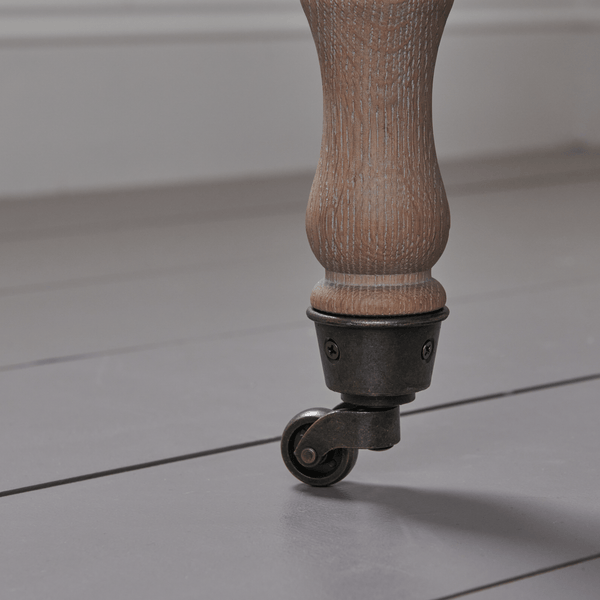
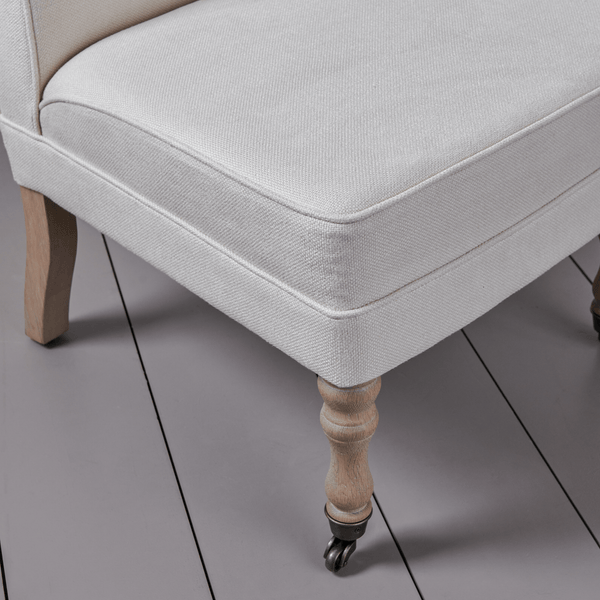
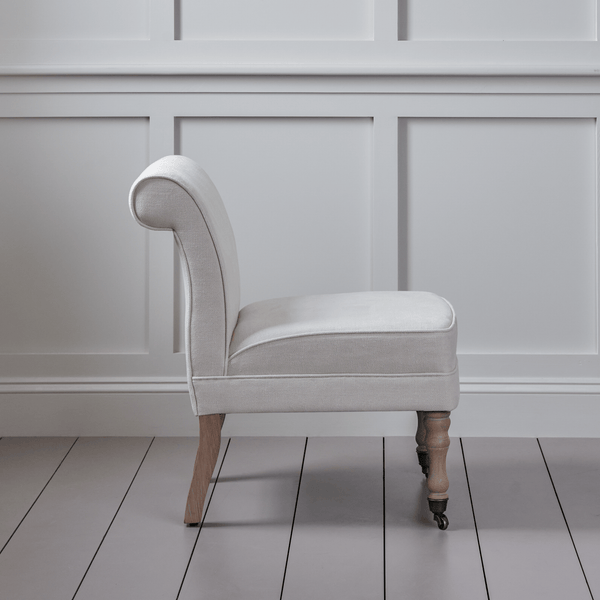
- Regular price
- From €595
- Regular price
-
€0 - Sale price
- From €595
- Percentage saved
- Save %
+23 fabrics
27 fabrics
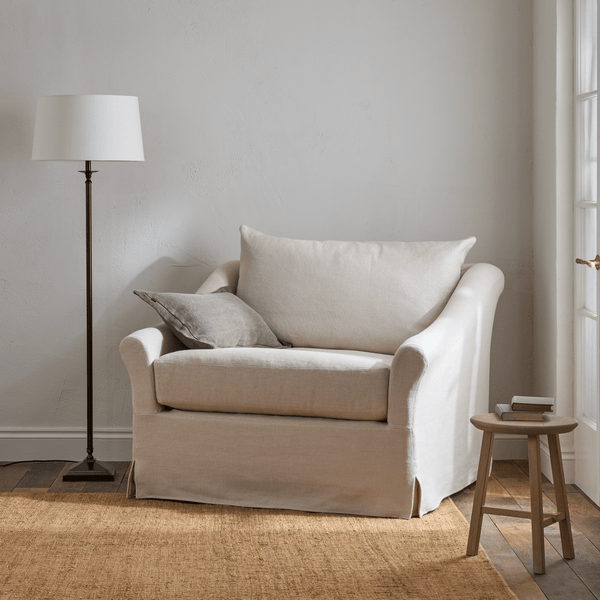
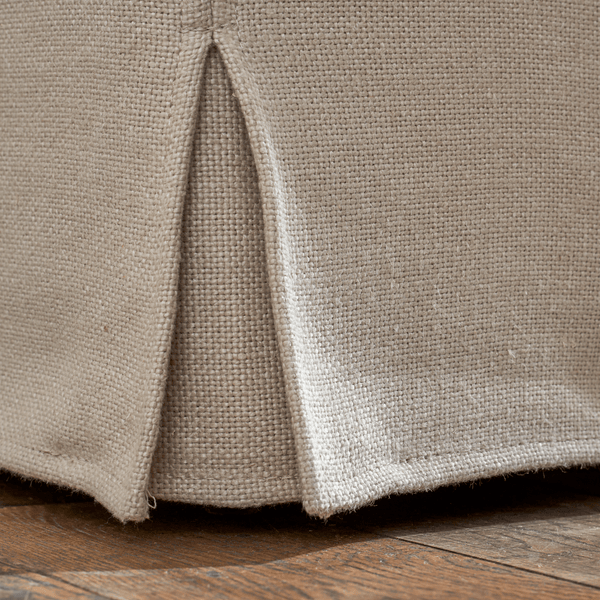
- Regular price
- From €2.895
- Regular price
-
€0 - Sale price
- From €2.895
- Percentage saved
- Save %
+11 fabrics
15 fabrics

- Regular price
- From €2.550
- Regular price
-
€0 - Sale price
- From €2.550
- Percentage saved
- Save %
+22 fabrics
26 fabrics
You're viewing 16 of 16
Products
Explore more
- Lifetime guaranteeKitchens & furniture built to last a lifetime
- Price promiseConsistent quality, consistent prices
- Consciously craftedResponsibly sourced, natural materials


