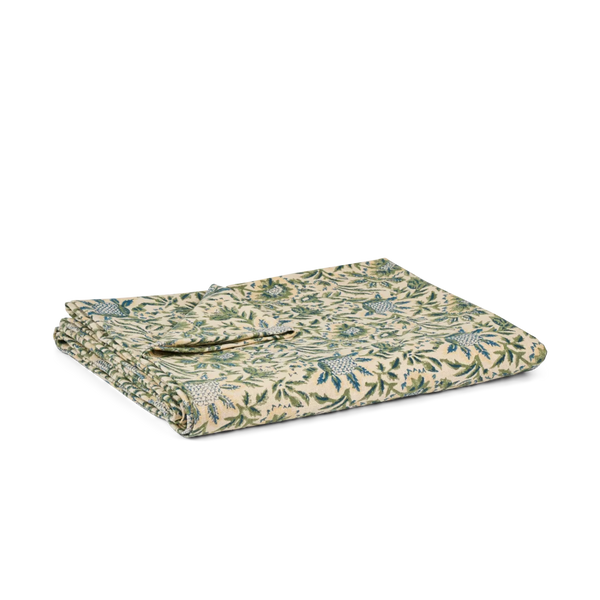
Choosing a linen tablecloth for your dining table
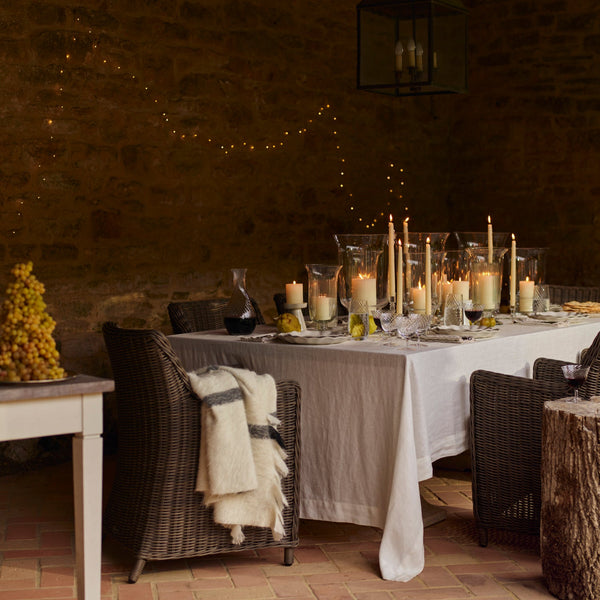
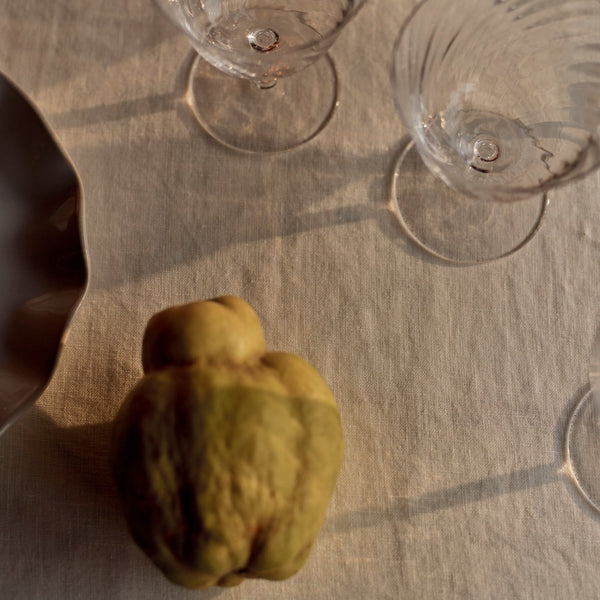
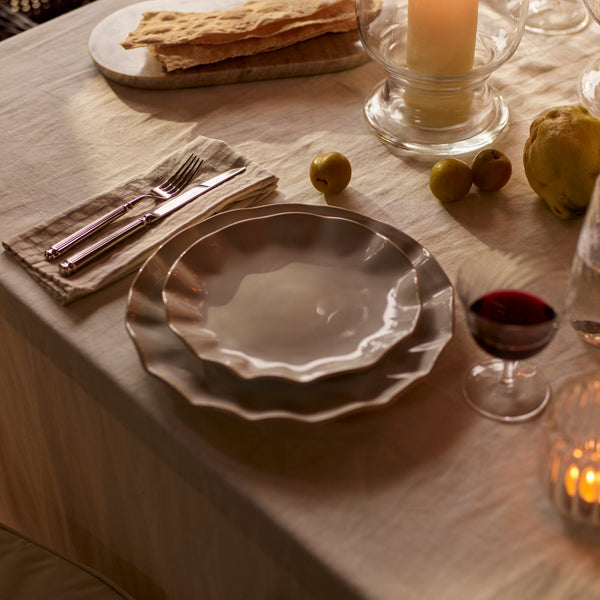
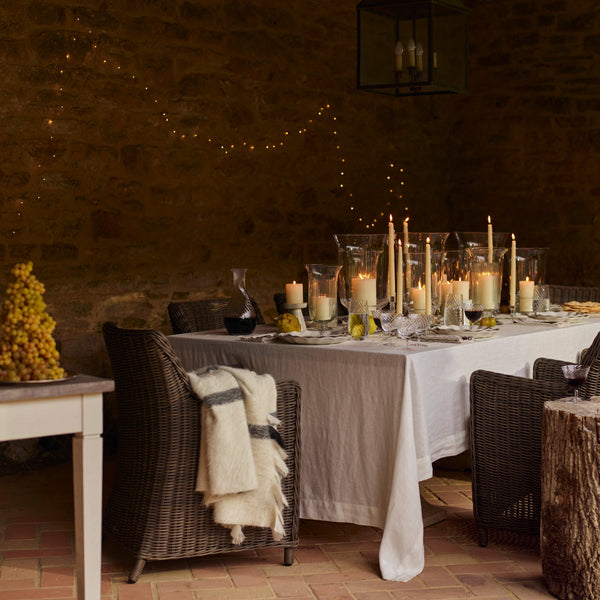
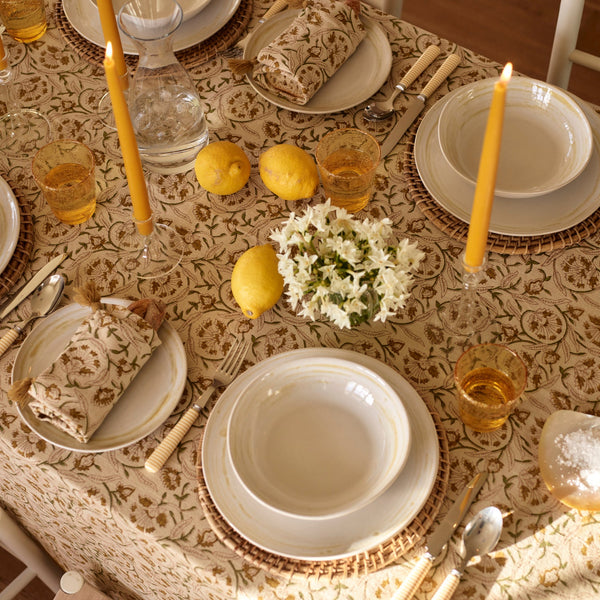
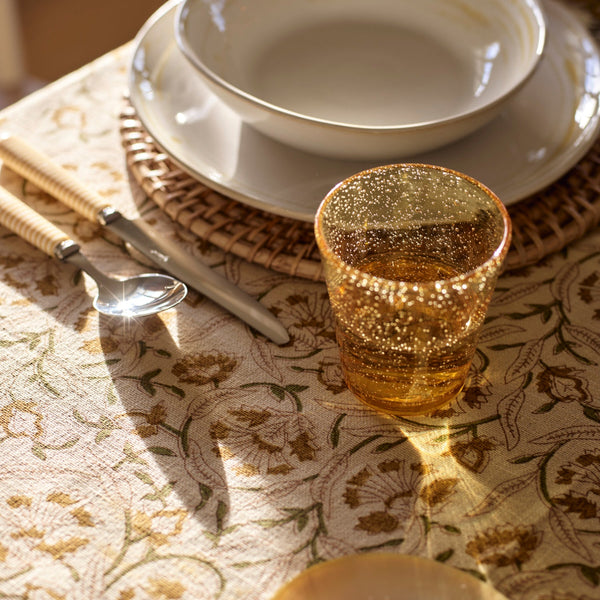
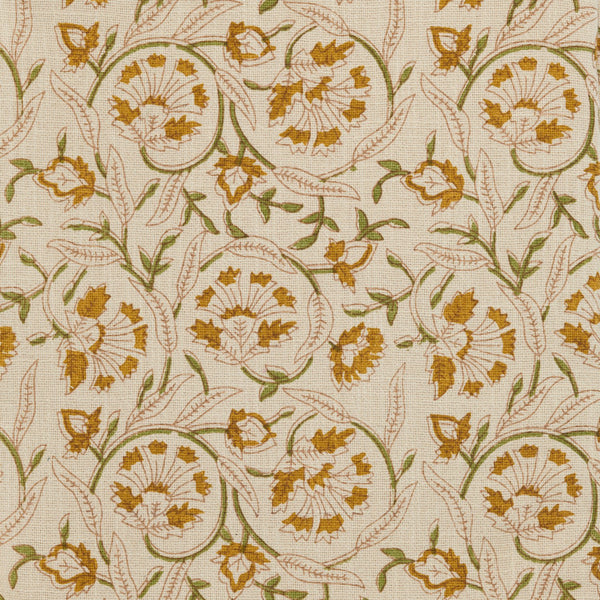
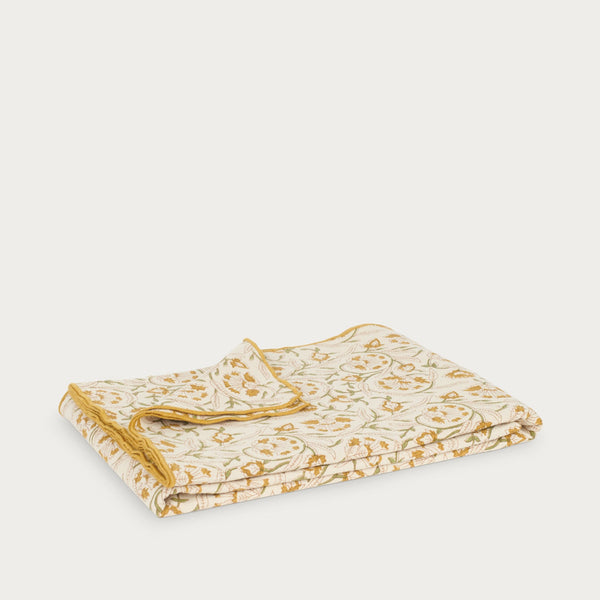
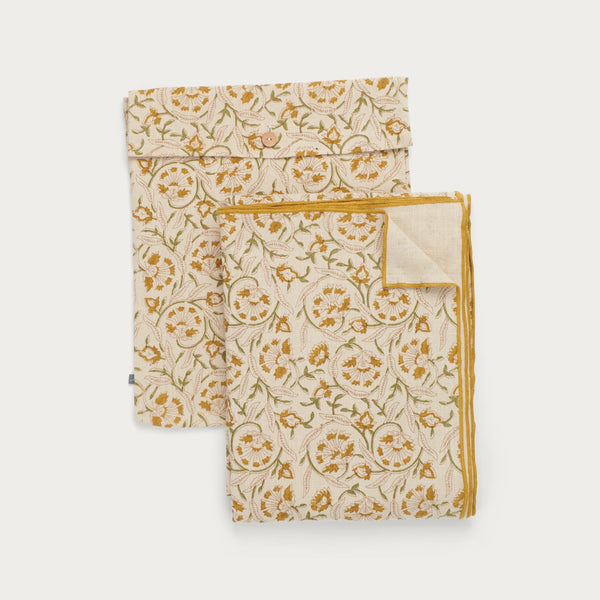
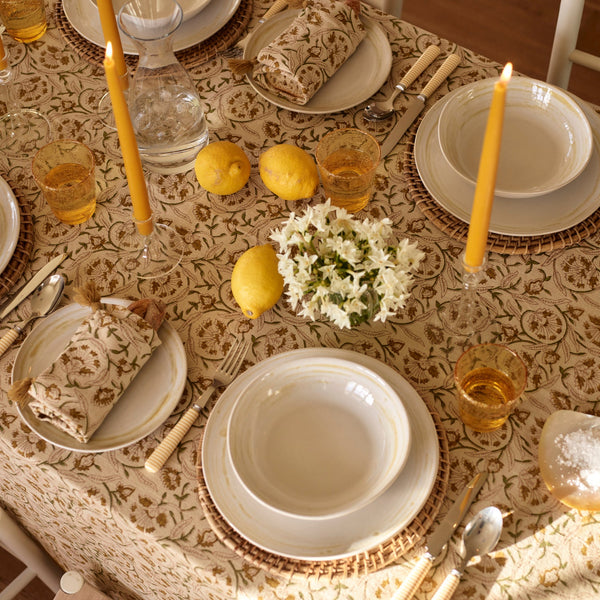
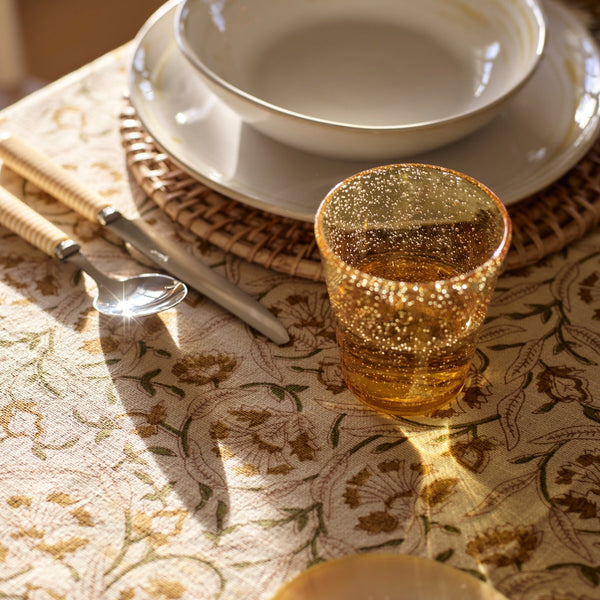
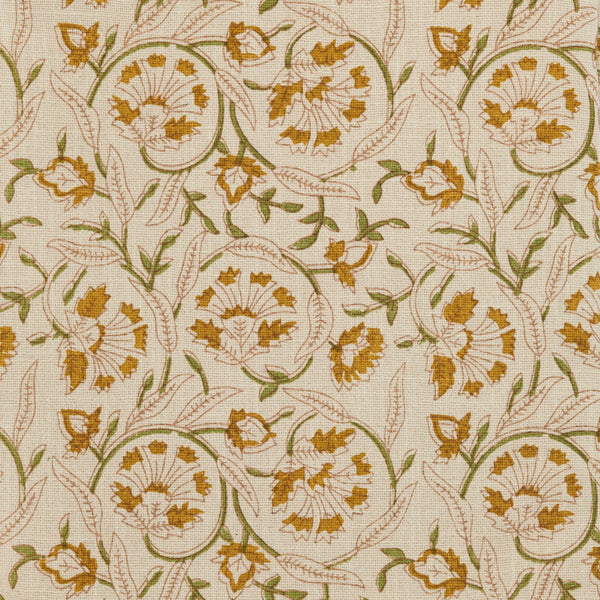
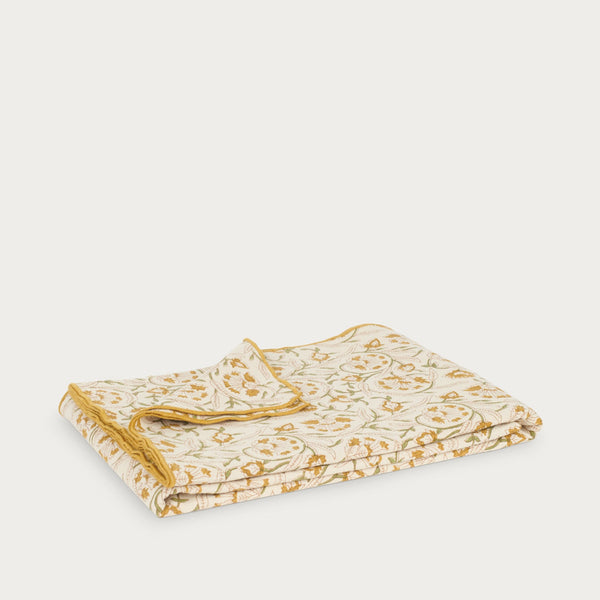
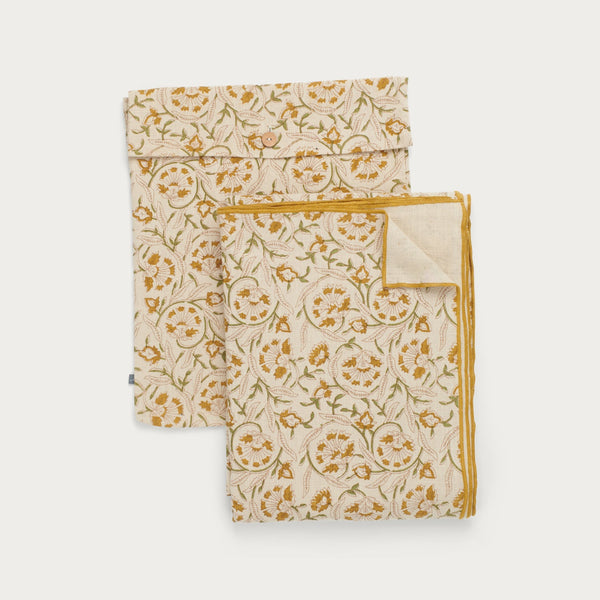
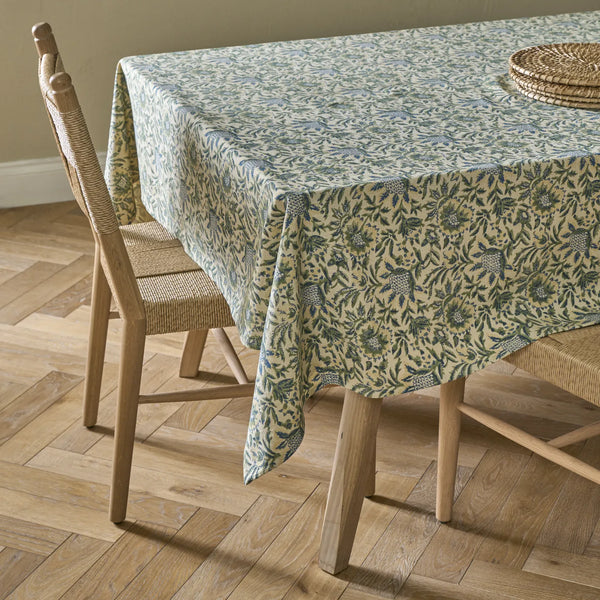
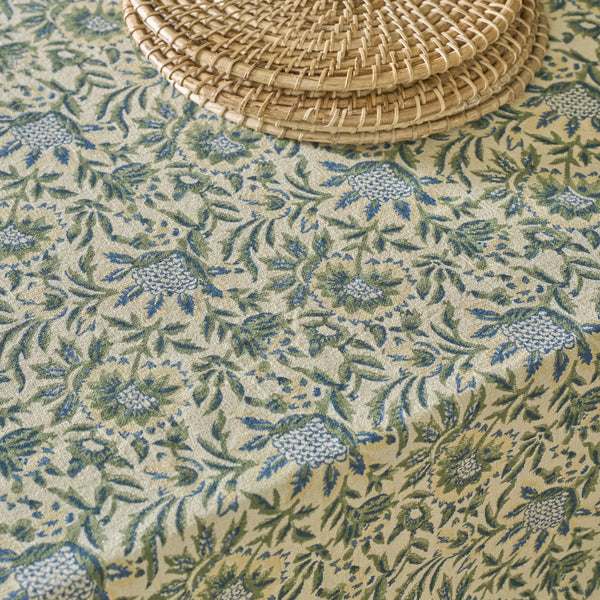
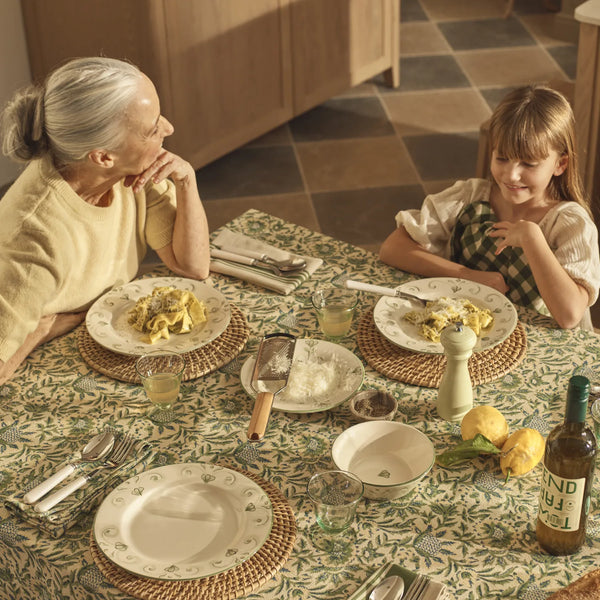
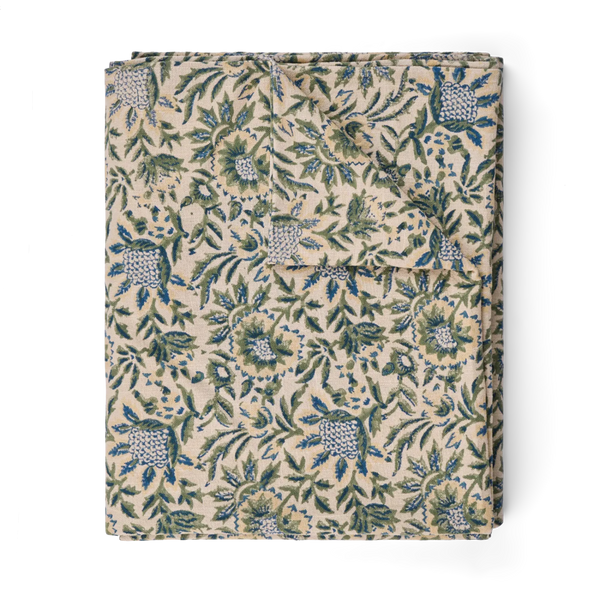
A tablecloth does more than protect a table. Chosen well, it sets the tone for the whole setting, the starting point from which everything else, the tableware, glassware, napkins and candles, takes its lead. The first decision is whether to go plain or patterned. A plain linen tablecloth brings quiet confidence to any scheme, sitting easily alongside almost any tableware and letting other elements do the talking. A woven stripe introduces subtle texture without competing, while a block-printed floral design makes more of a statement, one that can pull colour through into glassware and ceramics to create a scheme that feels considered and cohesive.
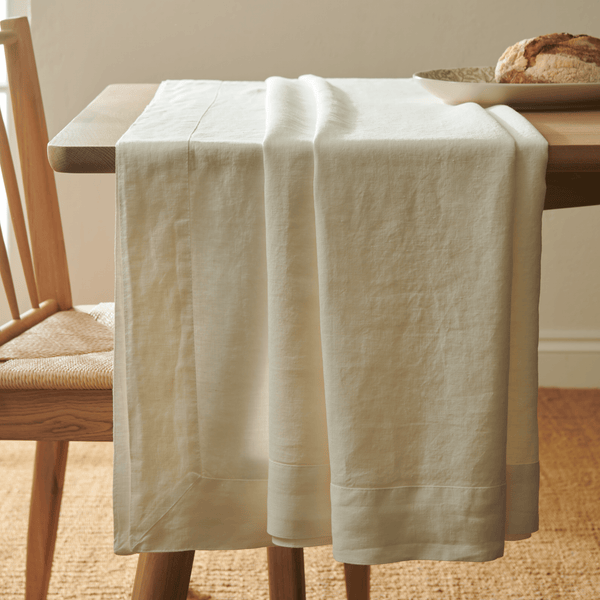
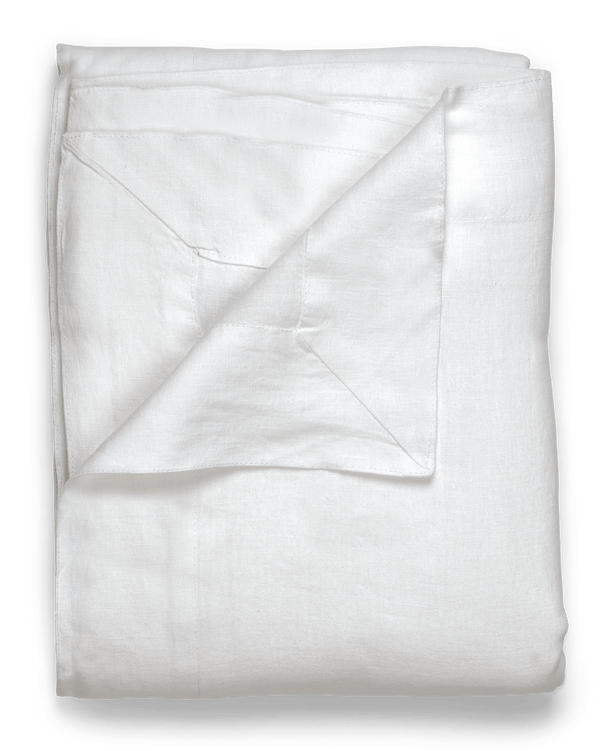
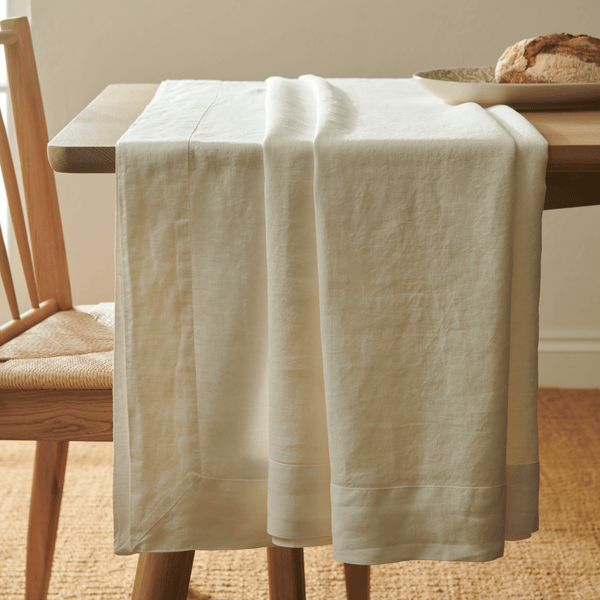
For those with a solid timber table, the choice of tablecloth carries a little more weight. Neptune's dining tables are made from natural oak chosen for its grain, warmth and character, and a tablecloth placed over one should work with those qualities rather than against them. A plain linen tablecloth in a muted tone lets the natural drape of the fabric speak without competing with what lies beneath, while still adding a layer of warmth to the setting. When you want to show the grain, a folded cloth used as a central runner exposes the timber at either end, protecting the surface from serving dishes while keeping the table itself part of the composition.
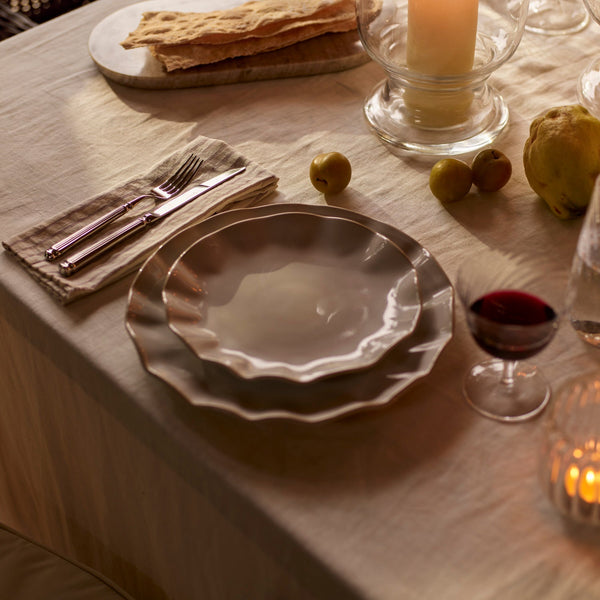
The tablecloth is also the foundation from which a wider table setting is built. Neptune's table linens are designed as part of a broader collection that includes napkins, placemats, table runners and tableware, all honed to the same warm, natural palette. The tablecloth, as our stylist Meaghan puts it, is the glue that holds the patterns and textures together. Start there, and the rest of the table follows.
The fabric behind the collection
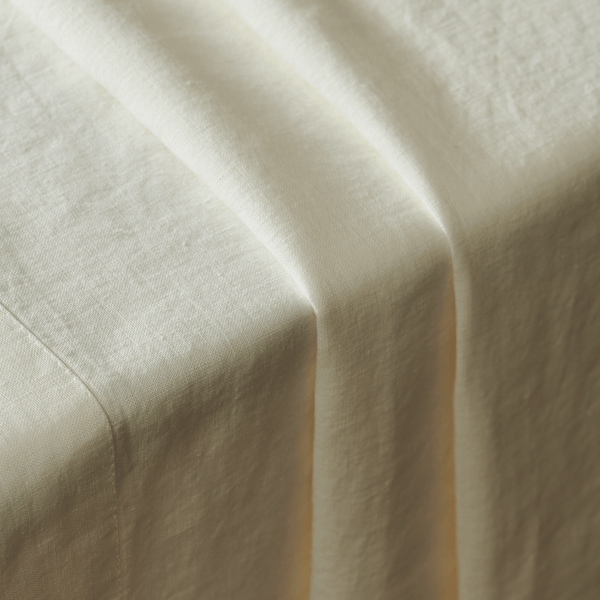
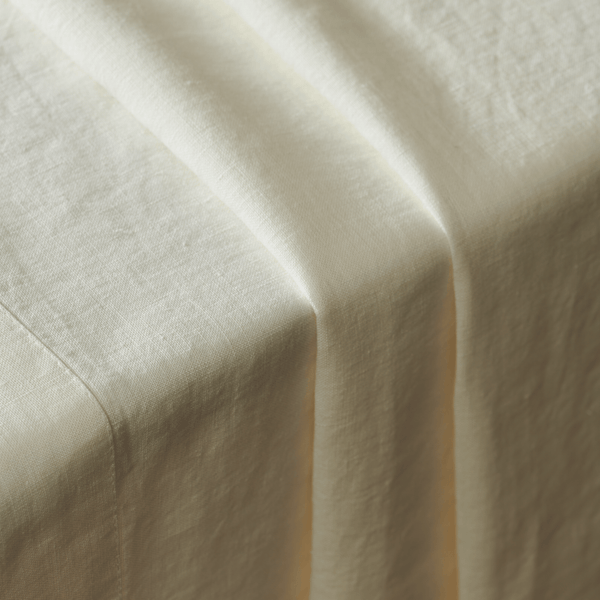
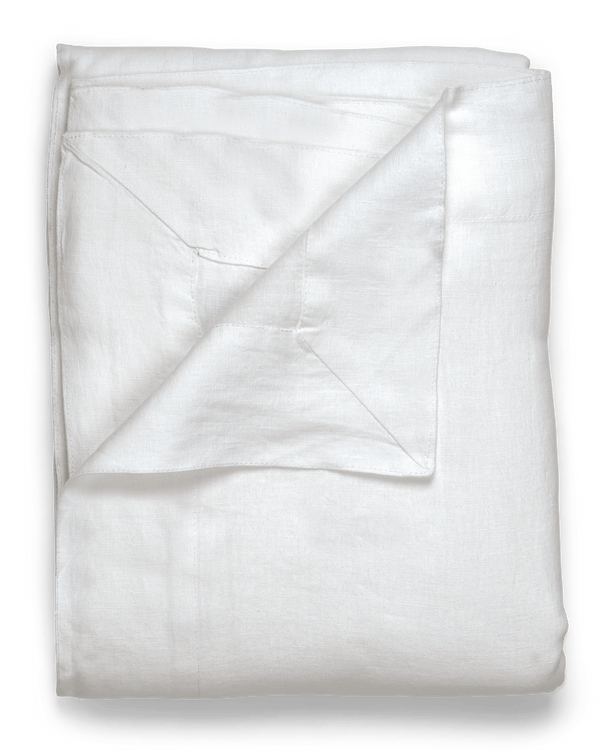
Neptune's tablecloth collection is built entirely around natural fibres. Pure linen and cotton-linen blends form the basis of the range, chosen for the qualities that synthetic alternatives cannot replicate: a relaxed drape that improves with use, a tactile surface that feels unhurried, and a natural ability to absorb and release moisture quickly. Linen is one of the strongest natural fibres available, and a well-made linen tablecloth will soften and become more supple over time rather than wearing out. The colour may settle gently with repeated washing, which is characteristic of natural flax fibres rather than a flaw, and the result is a cloth that looks more lived-in and natural the longer it is used.
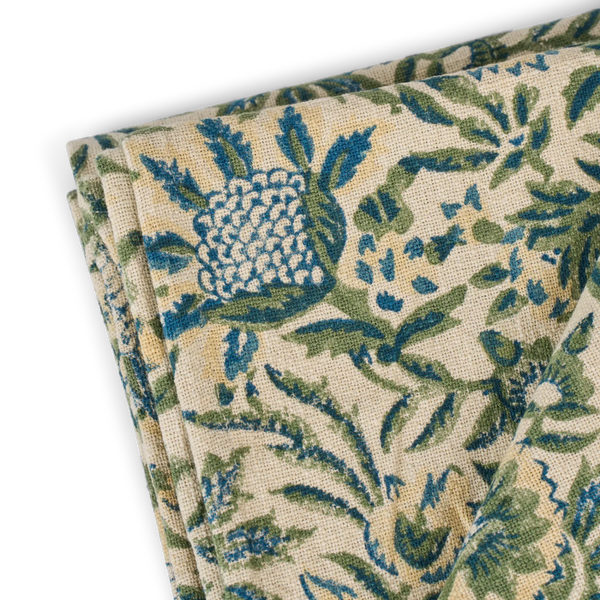
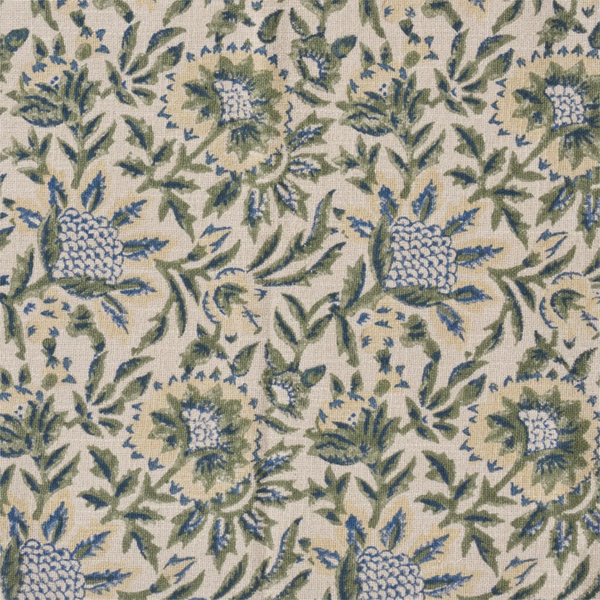
The finishing processes behind the collection are as considered as the materials themselves. Pure linen designs are traditionally stonewashed after dyeing, a process that softens the handle and gently reduces the dye concentration to produce the muted, considered tones drawn from Neptune's own paint palette. Cotton-linen blends are washed for softness and an easier drape. Where pattern is part of the design, some tablecloths are traditionally block-printed by skilled artisans, a making process that gives the print an organic, hand-worked quality distinct from machine-produced alternatives.
All tablecloths in the collection are machine washable at 30°C and designed for regular use rather than kept for best. That ease of care is a deliberate choice. A tablecloth that can be washed and returned to the table without ceremony is one that earns its place in the everyday rhythm of the home, not just the occasions that call for a dressed table.