


Sofas
30 results
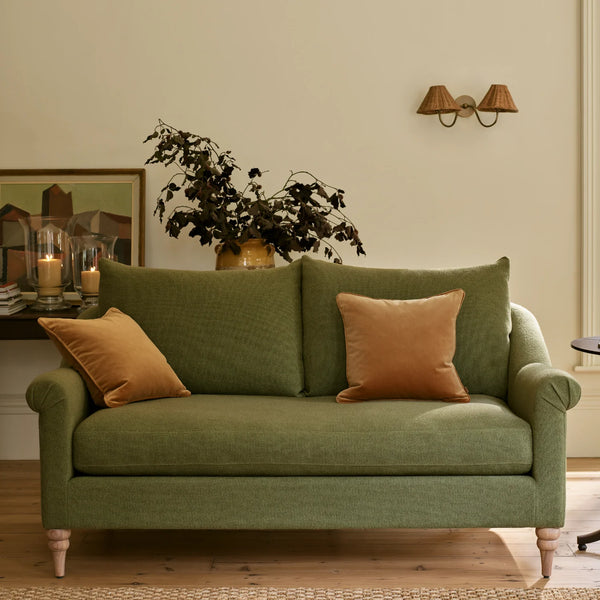
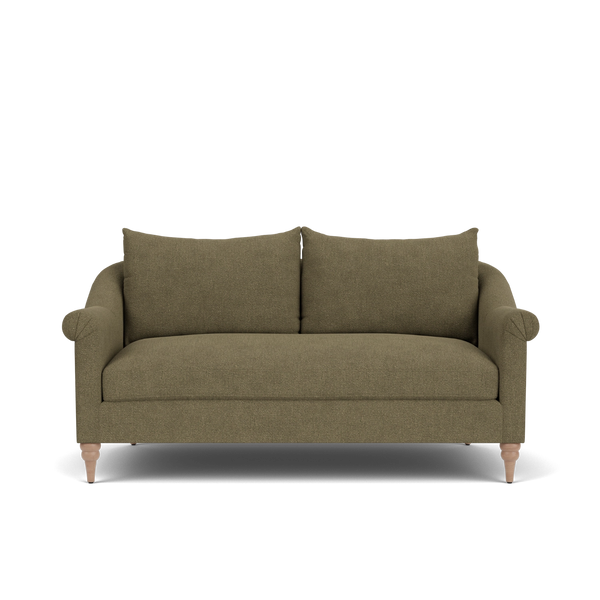
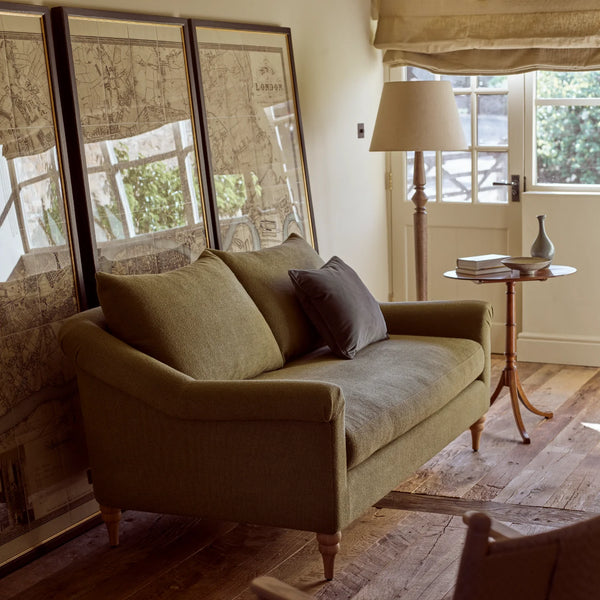
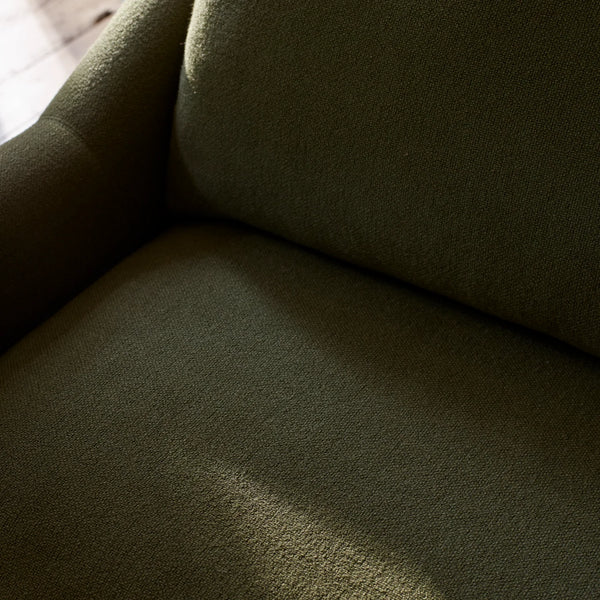
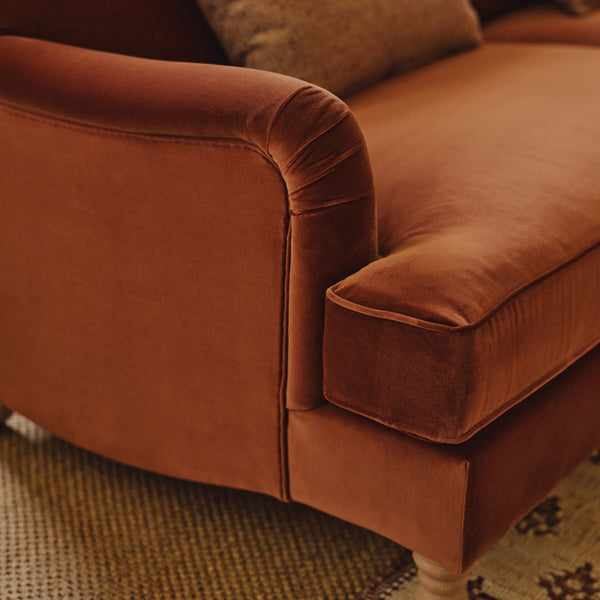
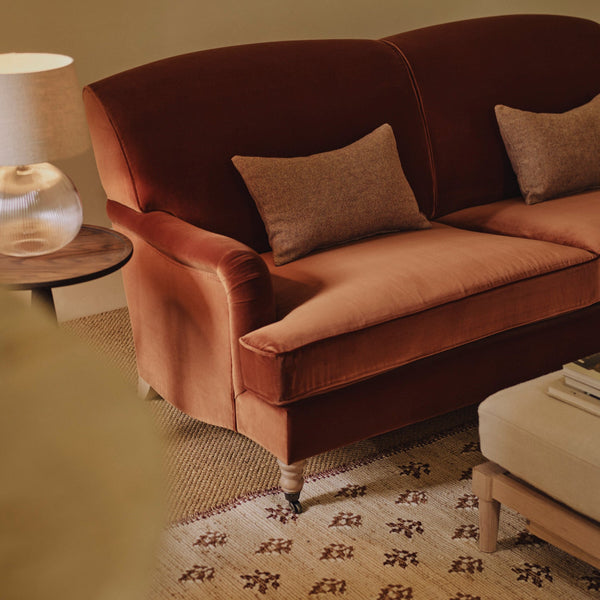
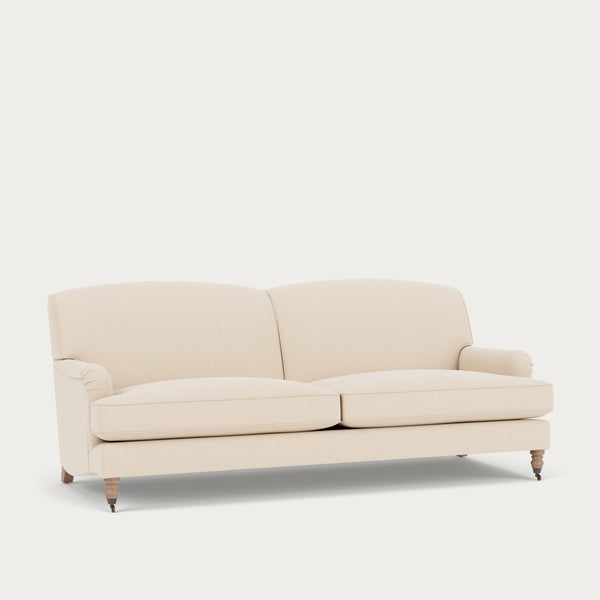
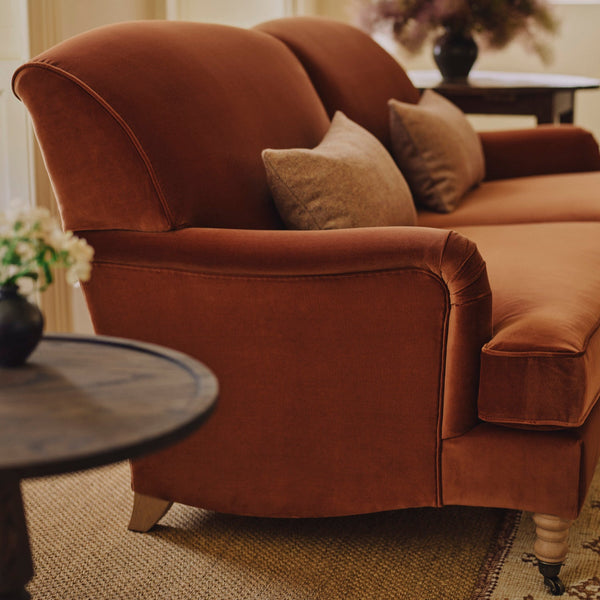
Timeless sofas crafted with solid timber frames and traditional upholstery methods. Each available in a custom fabric from our curated collection. Order free fabric samples.

Purchase a sofa and enjoy 10% off any footstool or ottoman
Terms & conditions
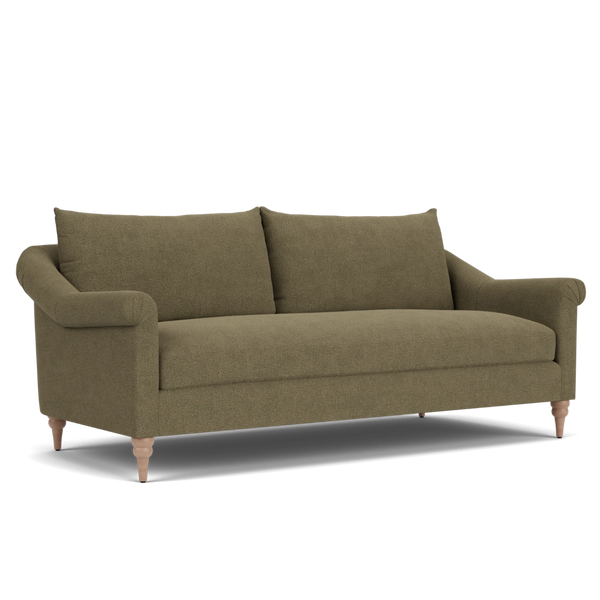
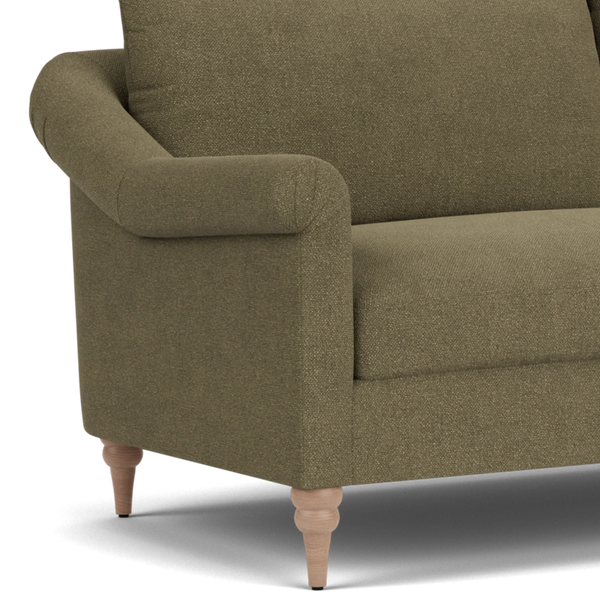
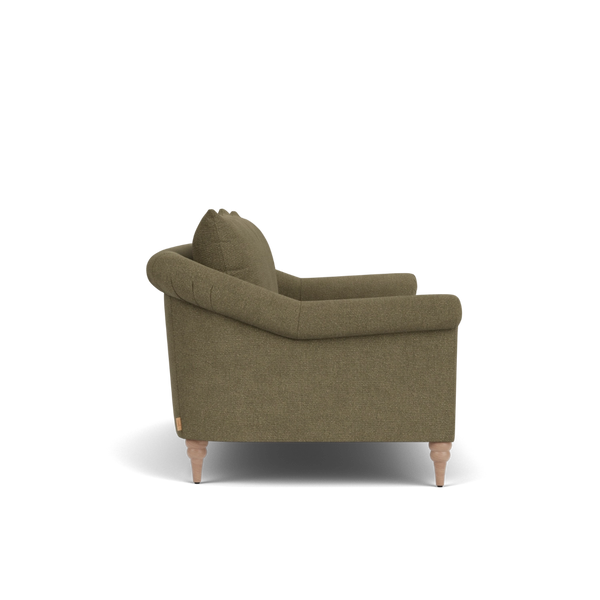
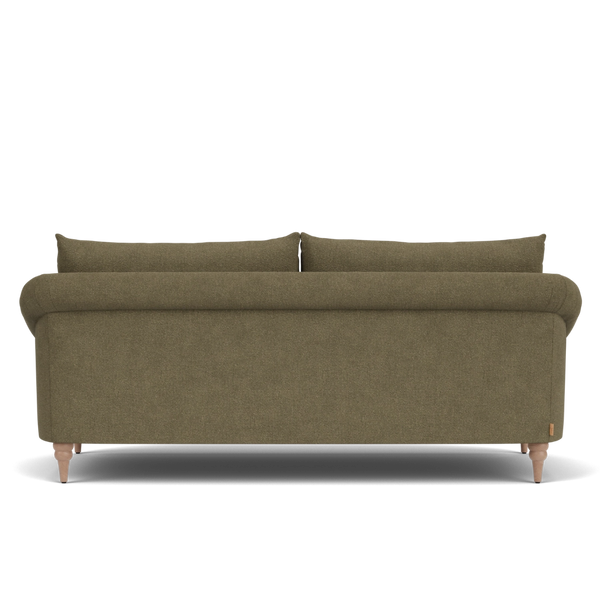
New
- Regular price
- From €3.350
- Regular price
-
€0 - Sale price
- From €3.350
- Percentage saved
- Save %
New
- Regular price
- From €2.850
- Regular price
-
€0 - Sale price
- From €2.850
- Percentage saved
- Save %
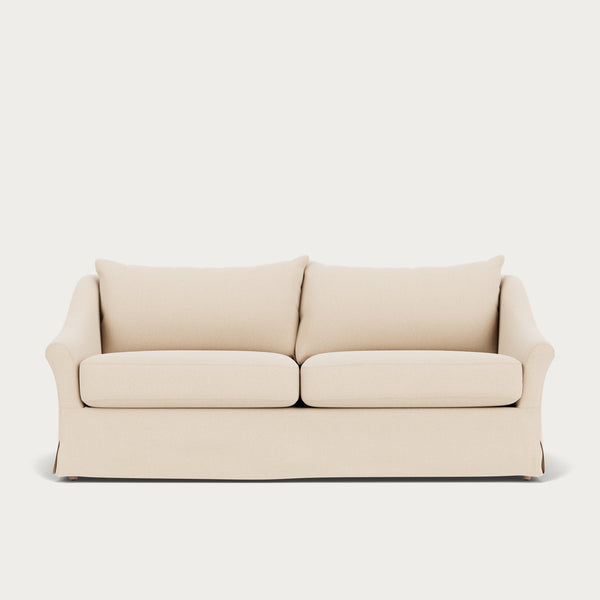
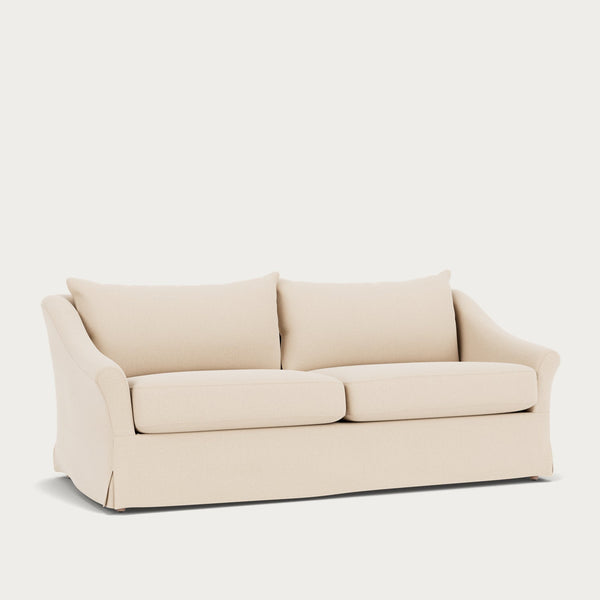
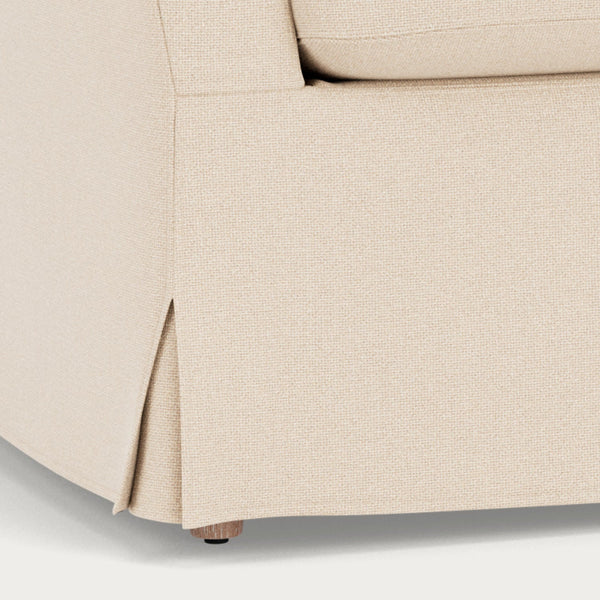
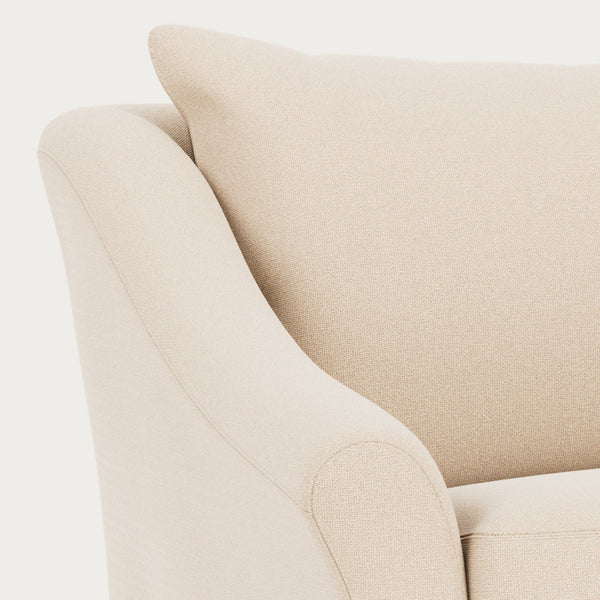
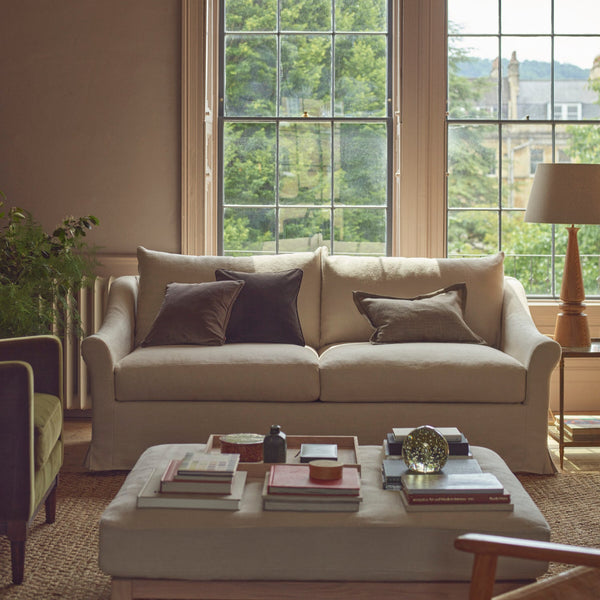
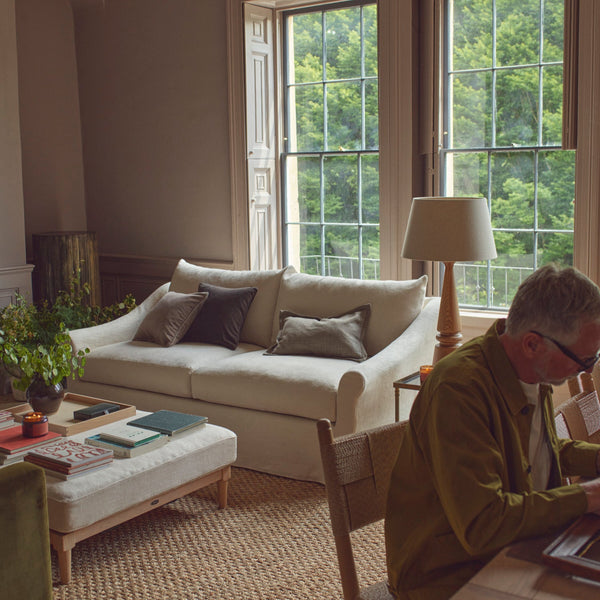
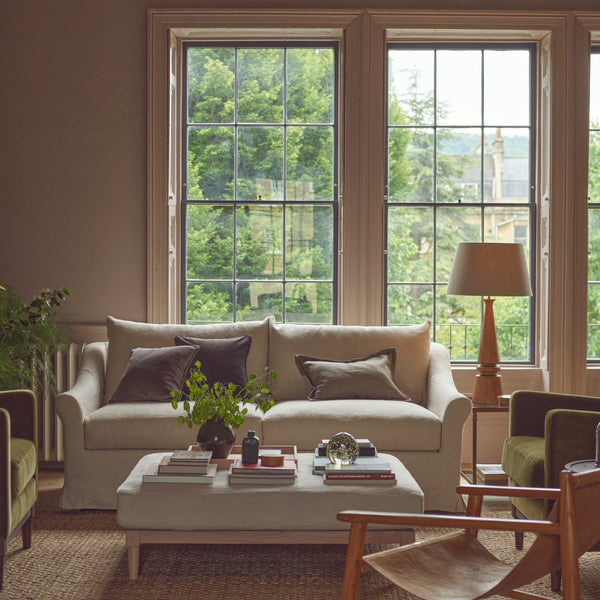
- Regular price
- From €4.750
- Regular price
-
€0 - Sale price
- From €4.750
- Percentage saved
- Save %
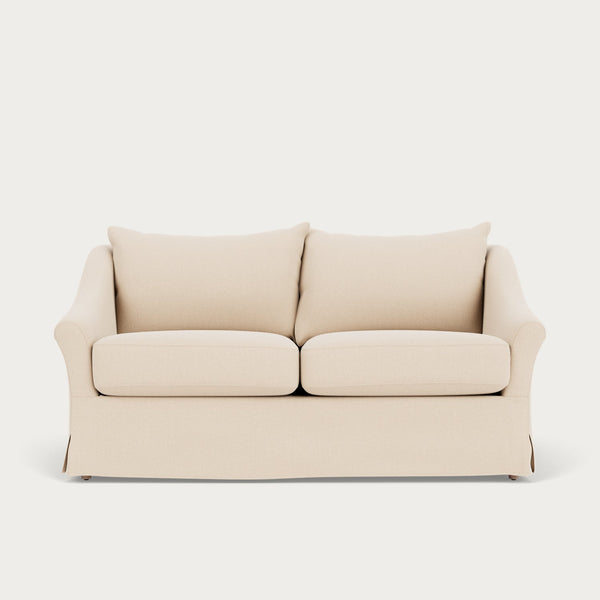
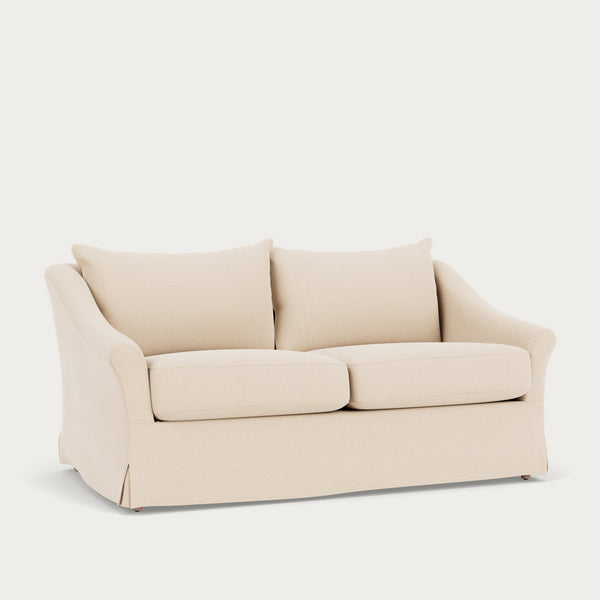
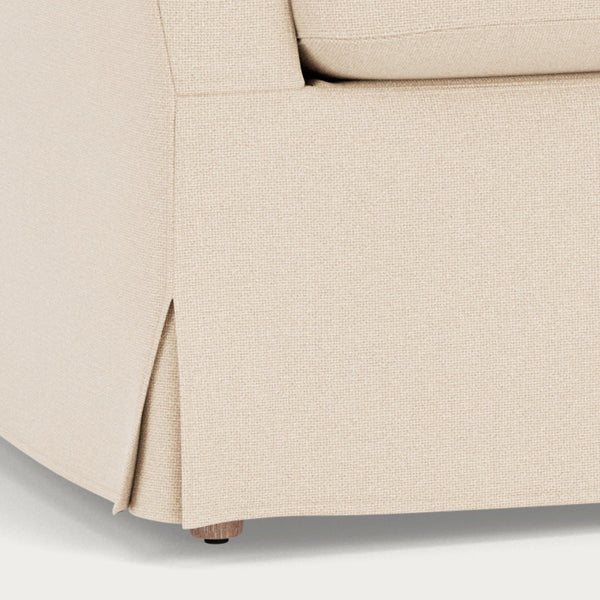
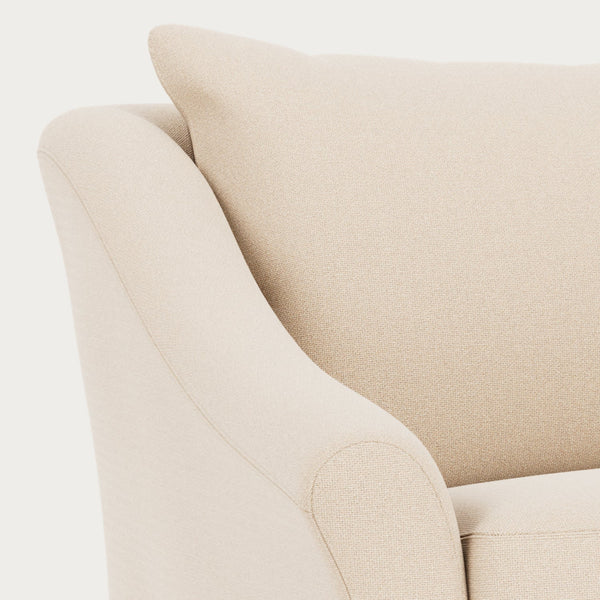
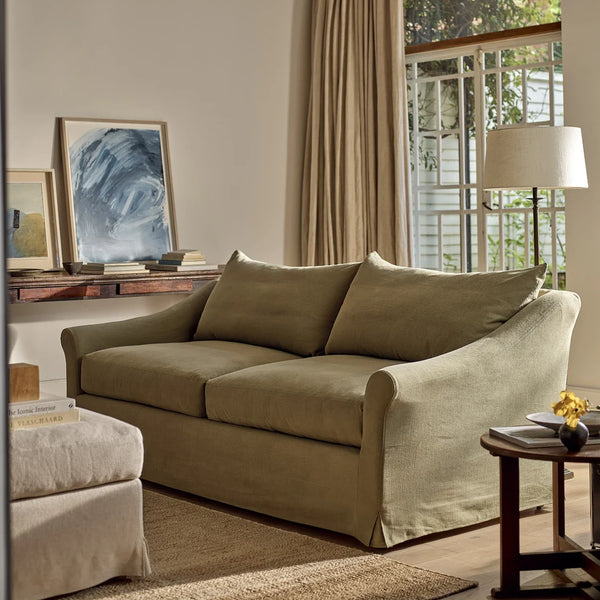
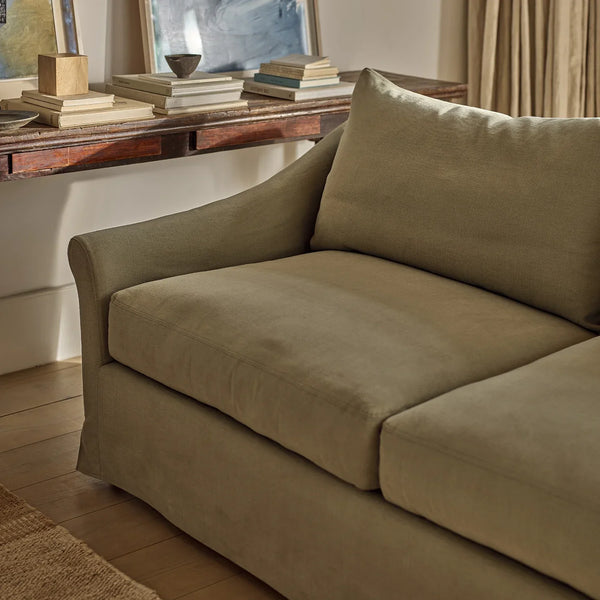
- Regular price
- From €3.850
- Regular price
-
€0 - Sale price
- From €3.850
- Percentage saved
- Save %
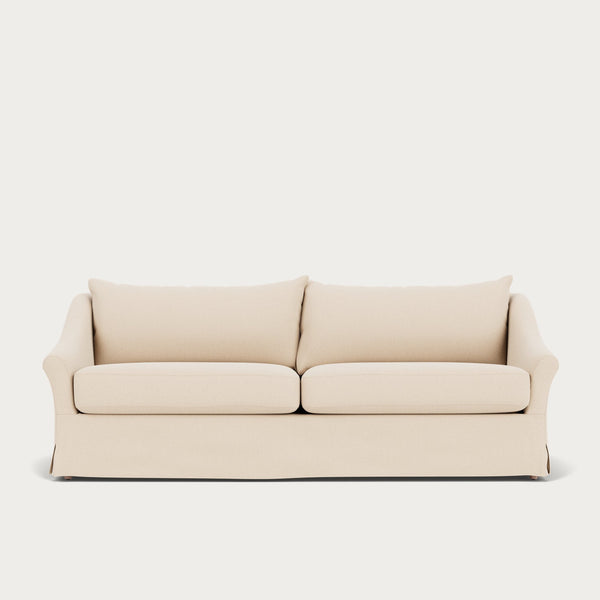
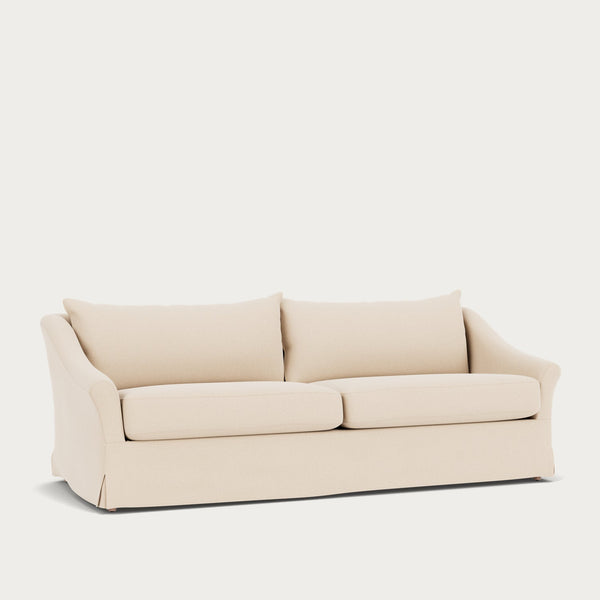
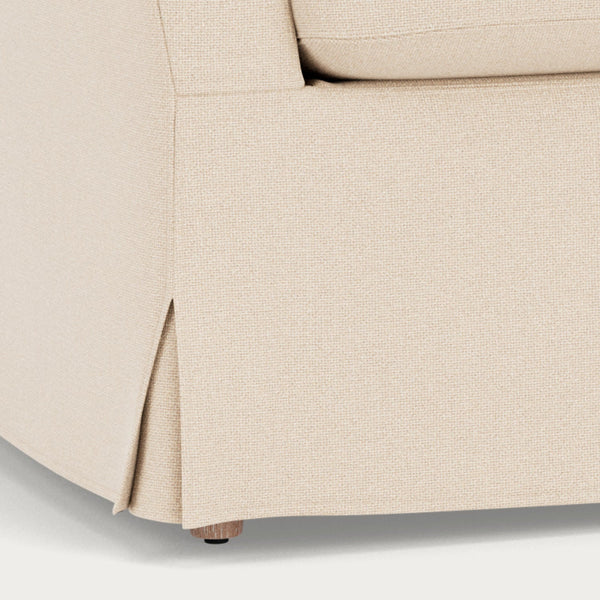
- Regular price
- From €5.150
- Regular price
-
€0 - Sale price
- From €5.150
- Percentage saved
- Save %
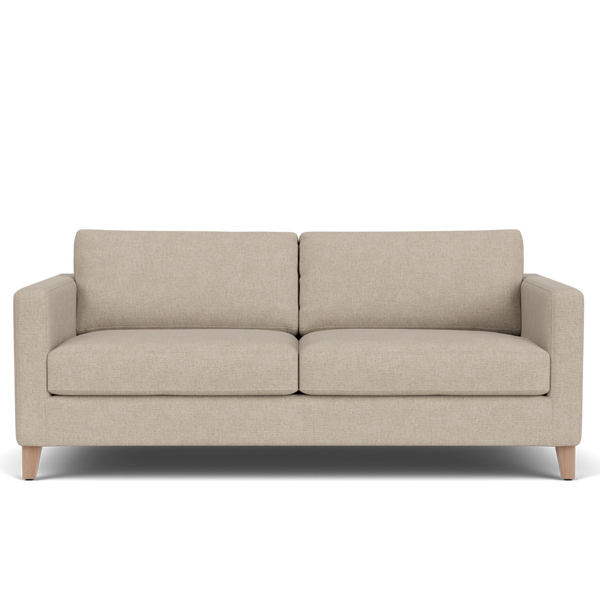
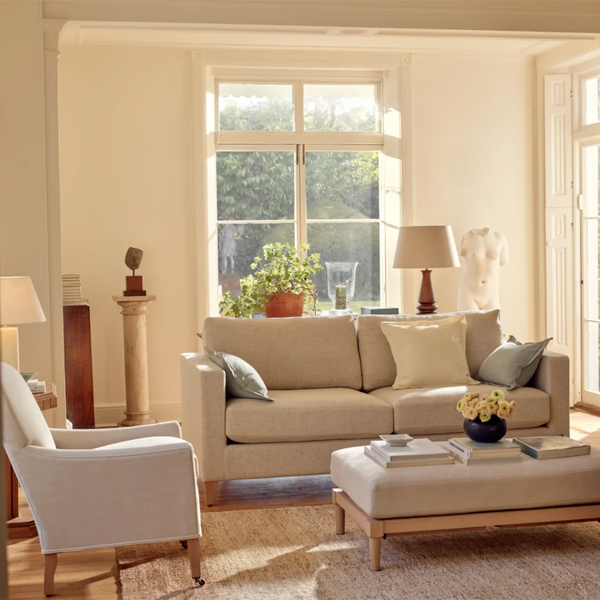
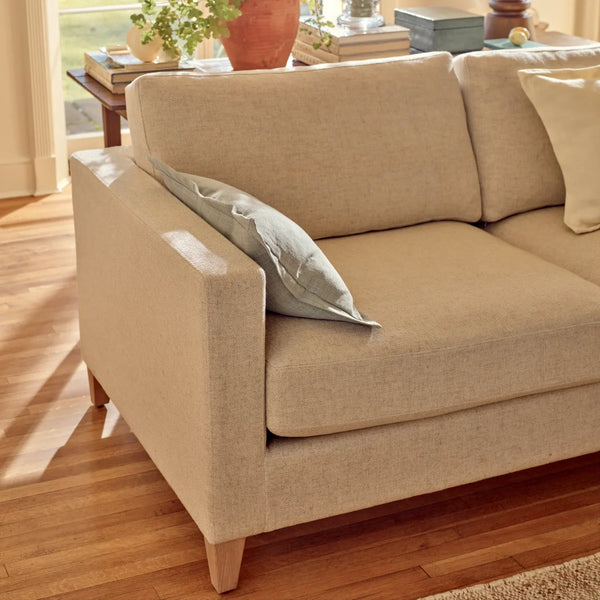
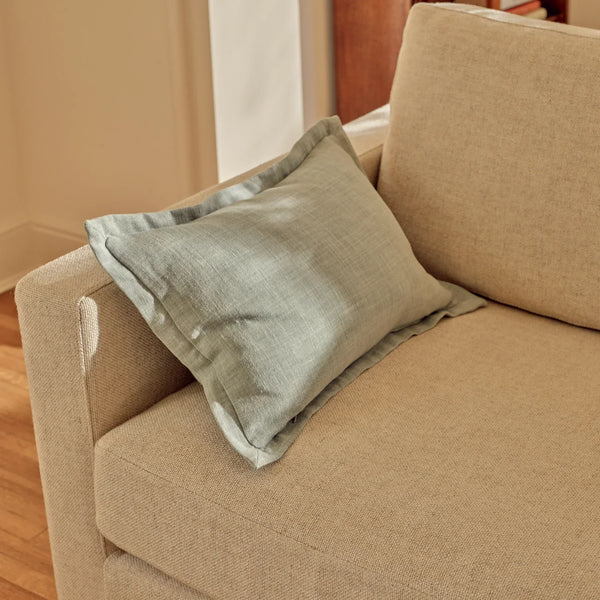
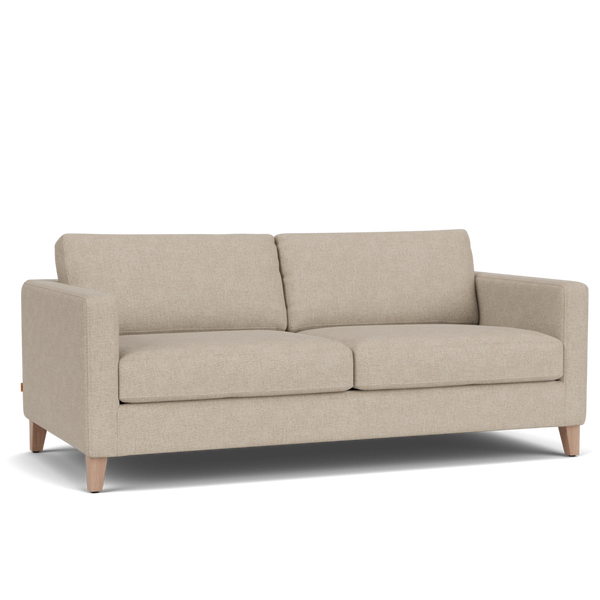
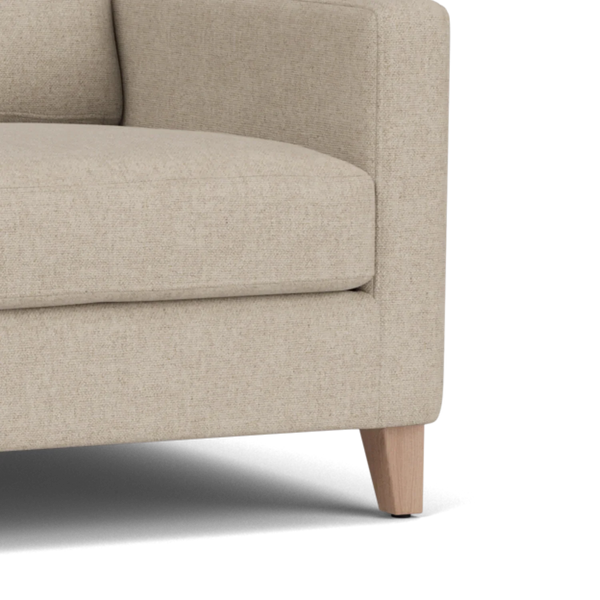
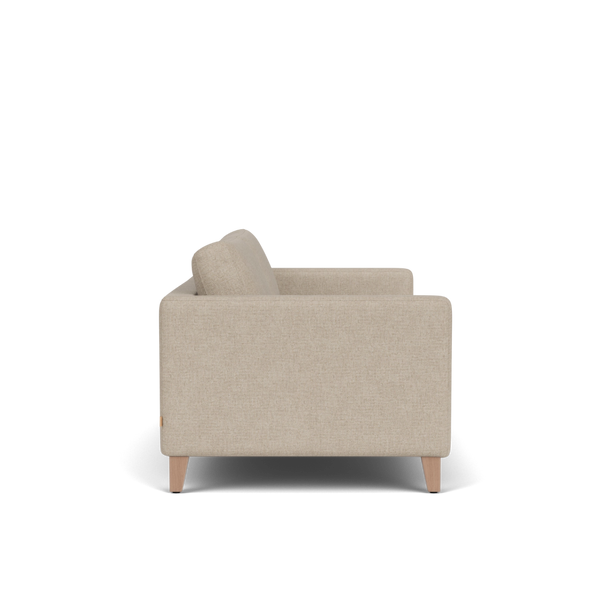
- Regular price
- From €2.850
- Regular price
-
€0 - Sale price
- From €2.850
- Percentage saved
- Save %
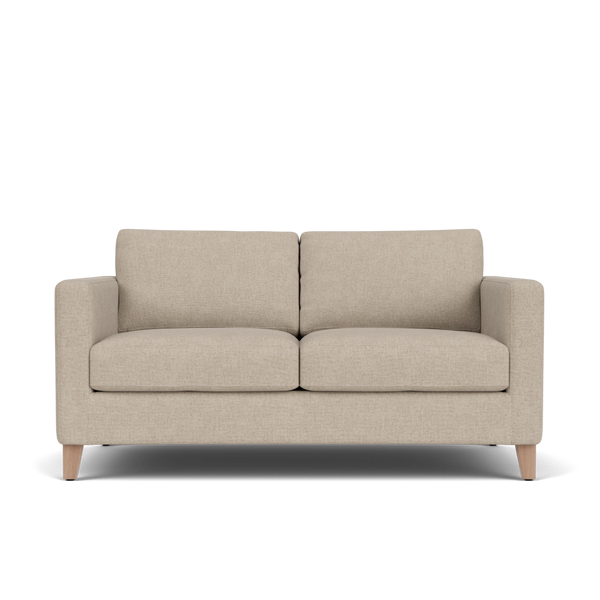
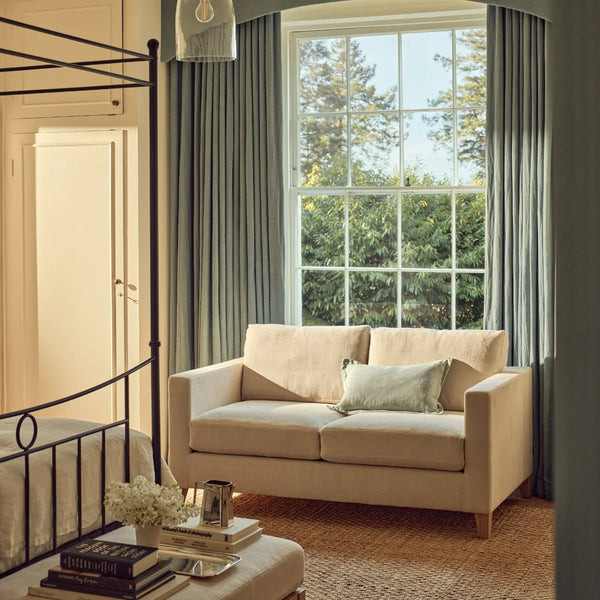
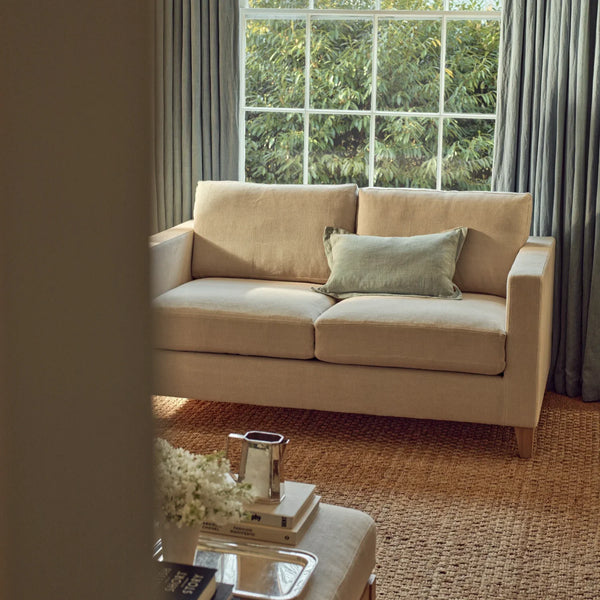
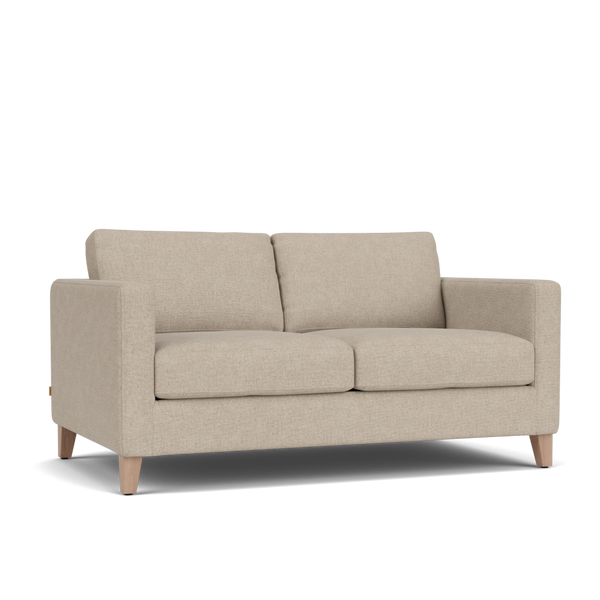
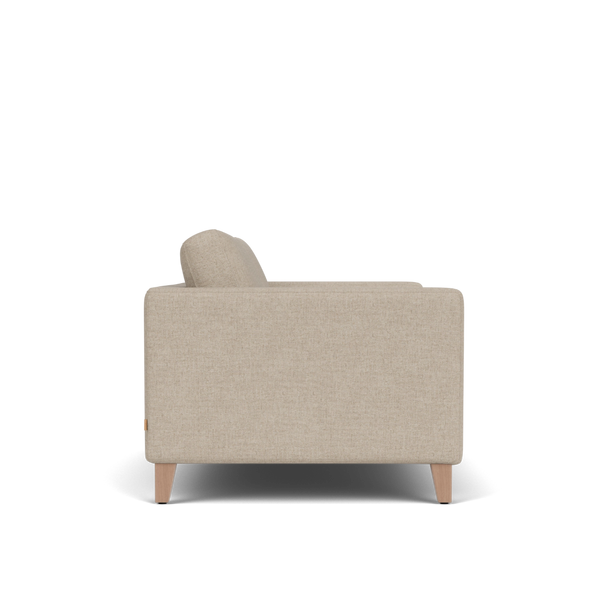
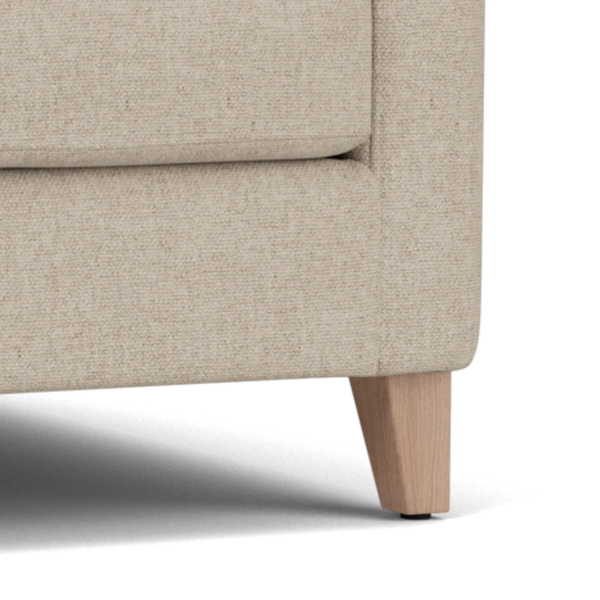
- Regular price
- From €2.195
- Regular price
-
€0 - Sale price
- From €2.195
- Percentage saved
- Save %
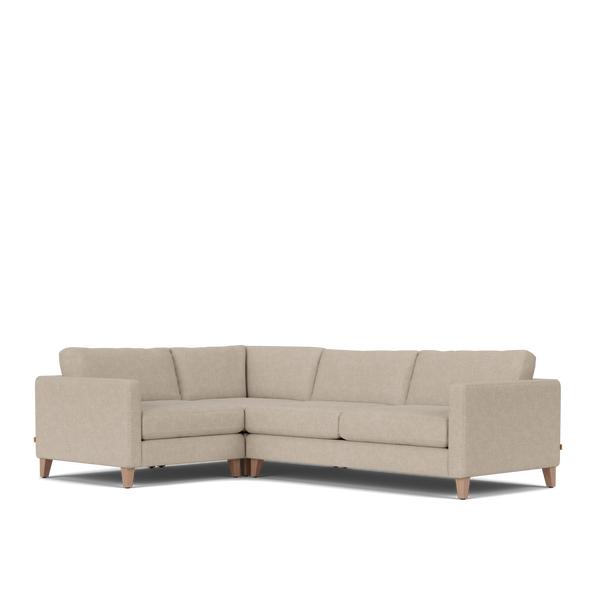
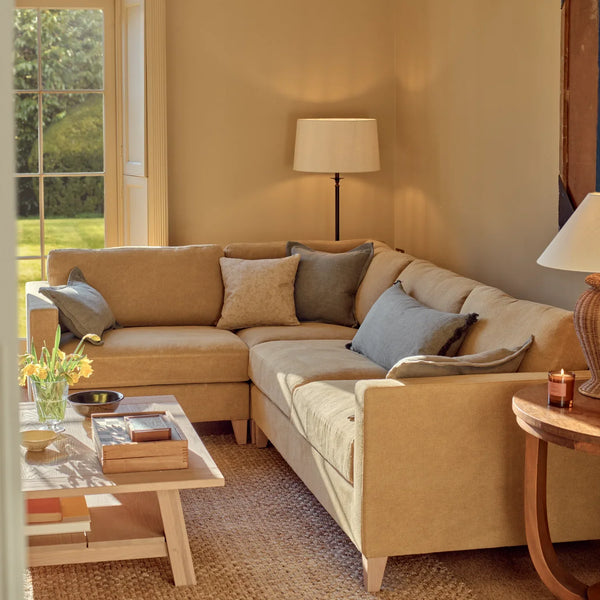
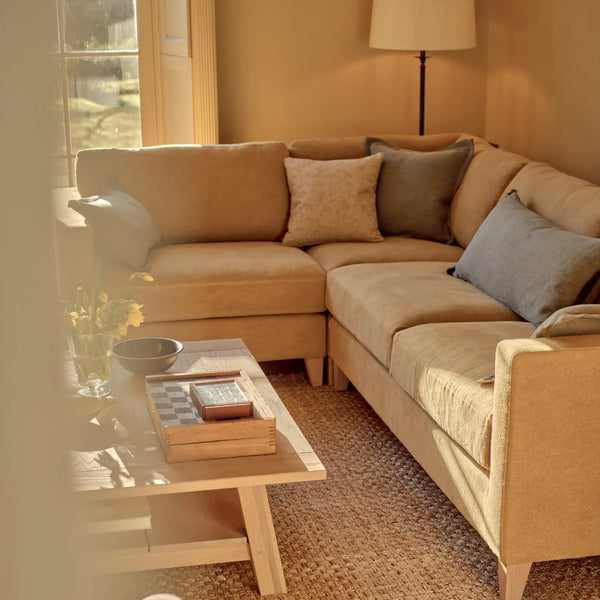
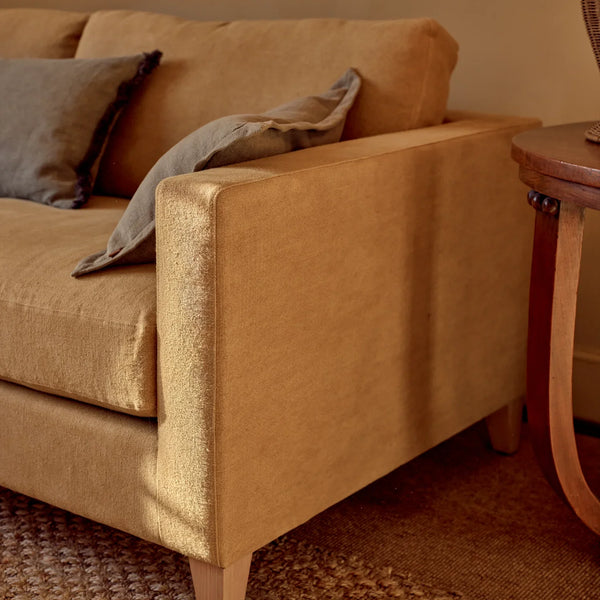
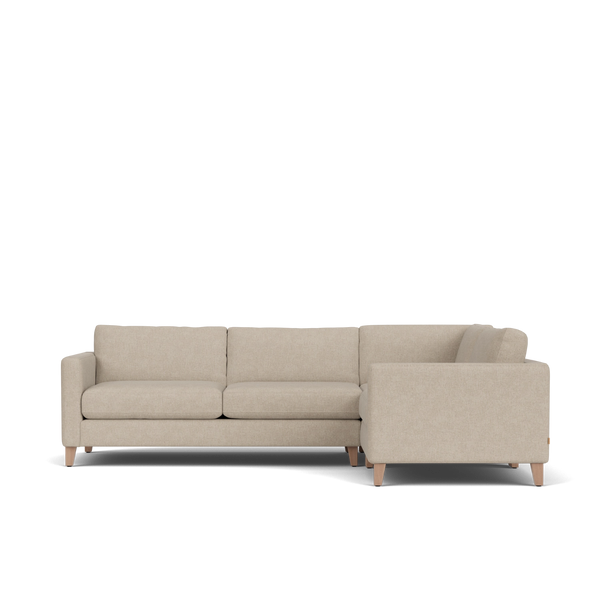
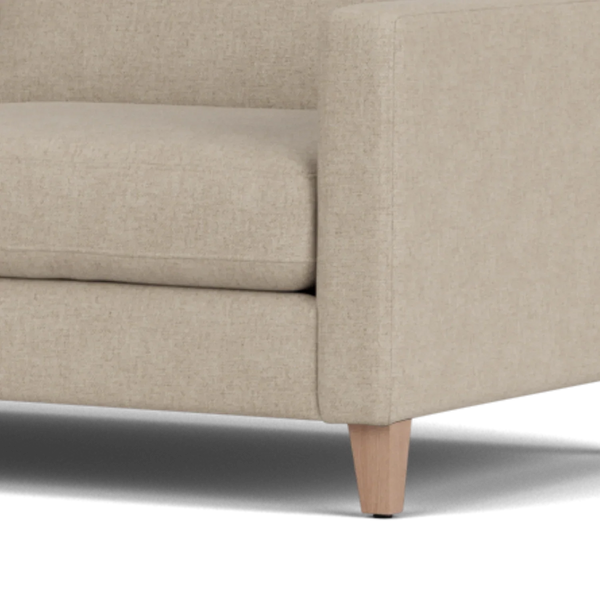
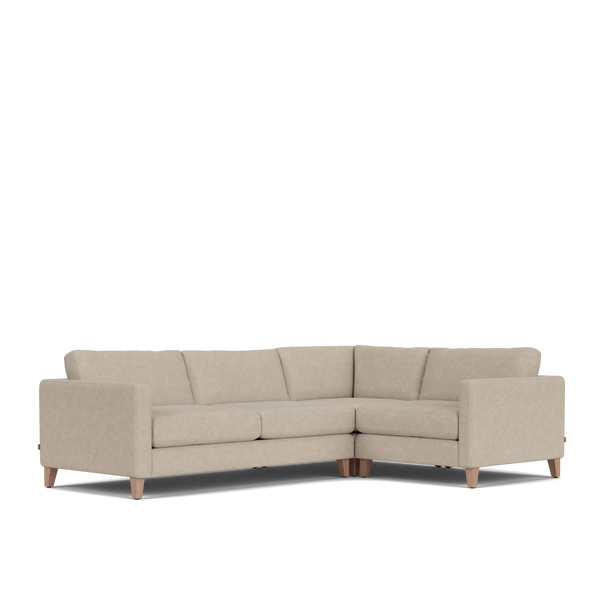
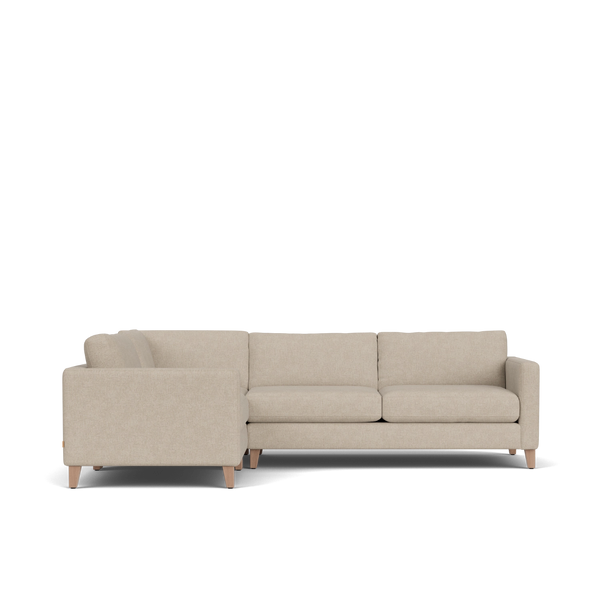
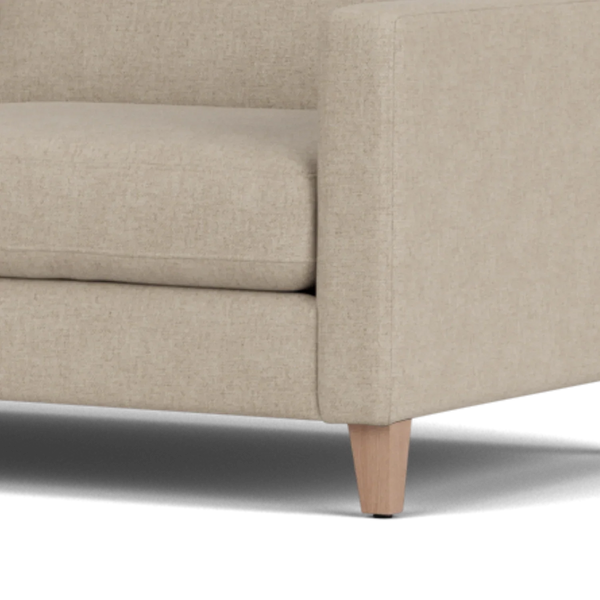
- Regular price
- From €5.585
- Regular price
-
€0 - Sale price
- From €5.585
- Percentage saved
- Save %
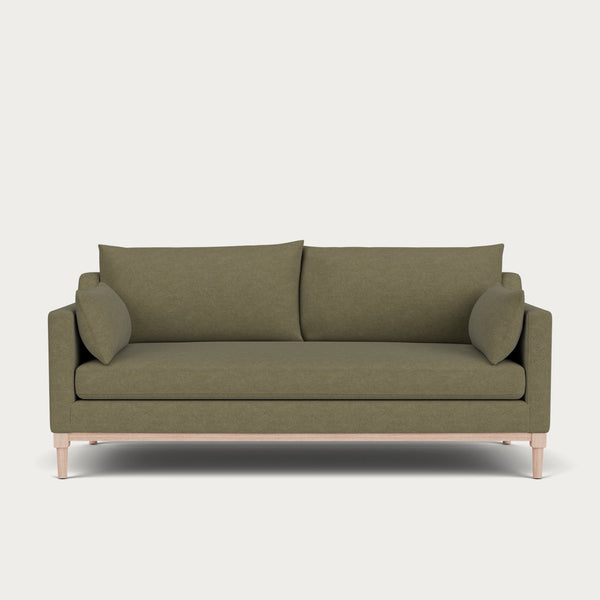

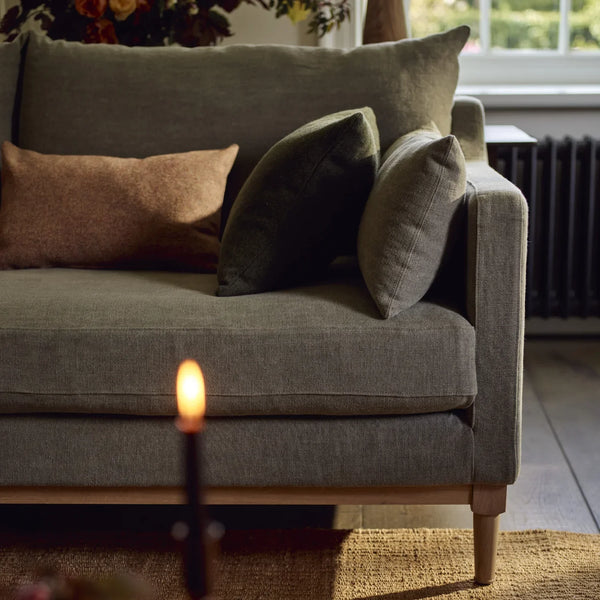
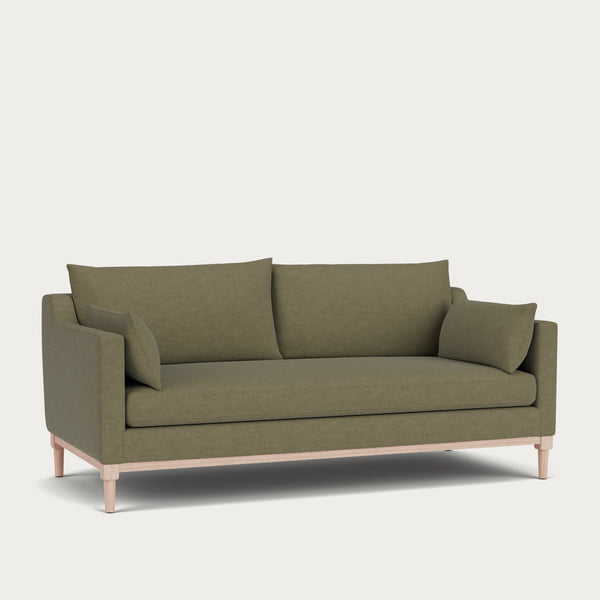
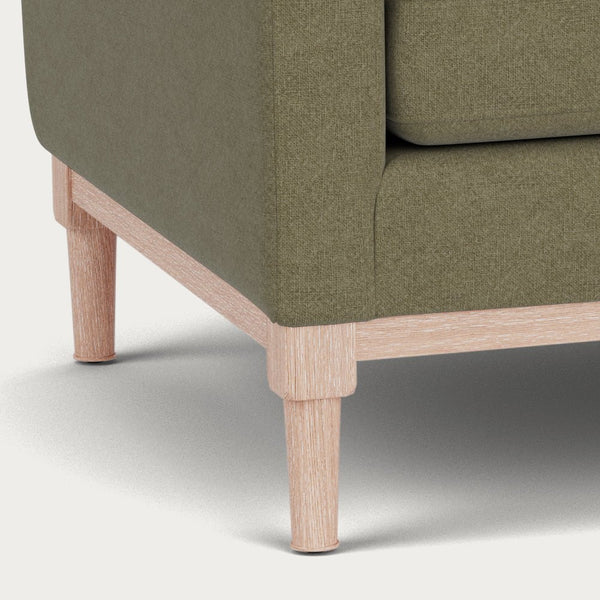
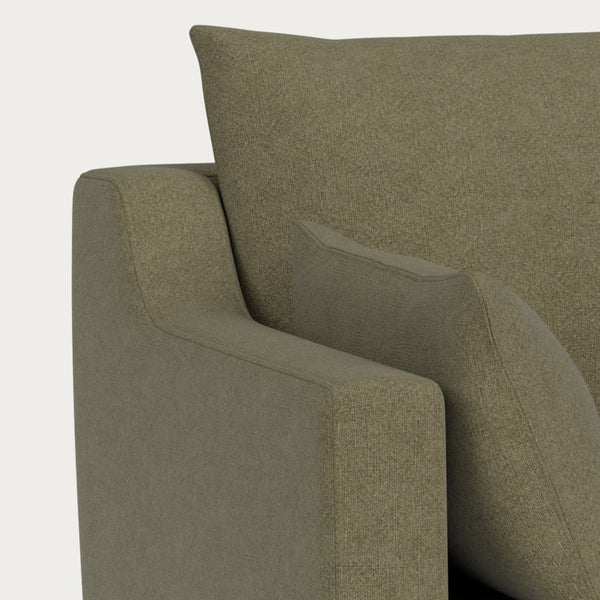
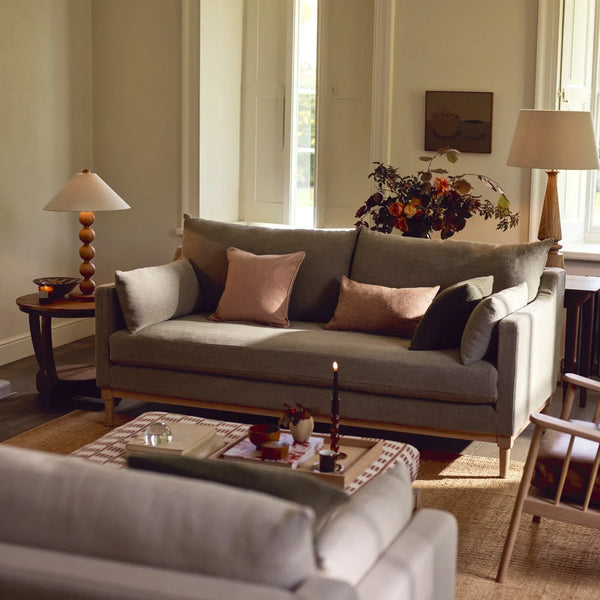
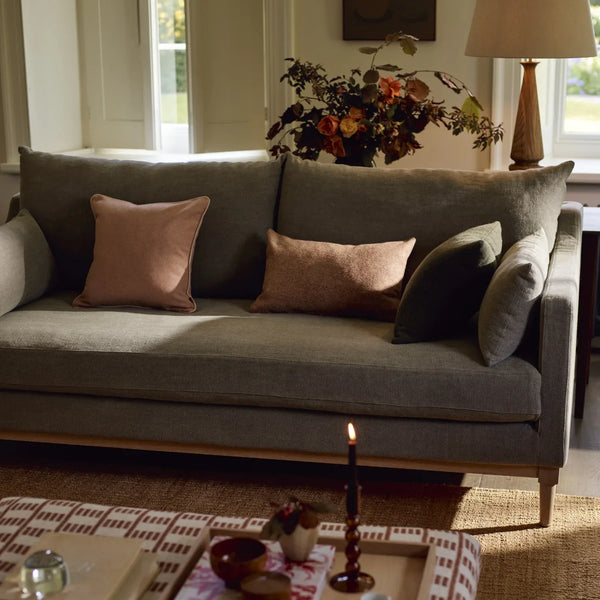
- Regular price
- From €4.350
- Regular price
-
€0 - Sale price
- From €4.350
- Percentage saved
- Save %
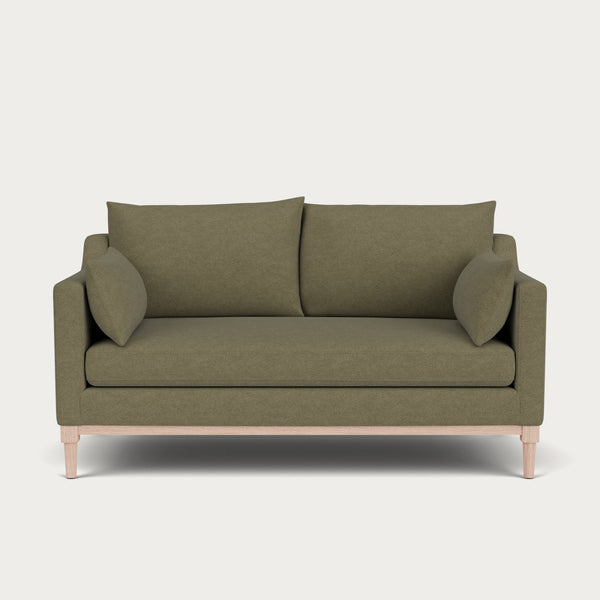
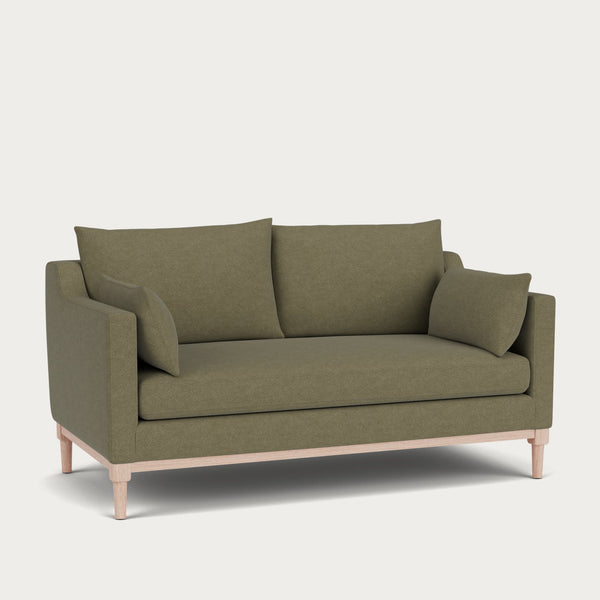
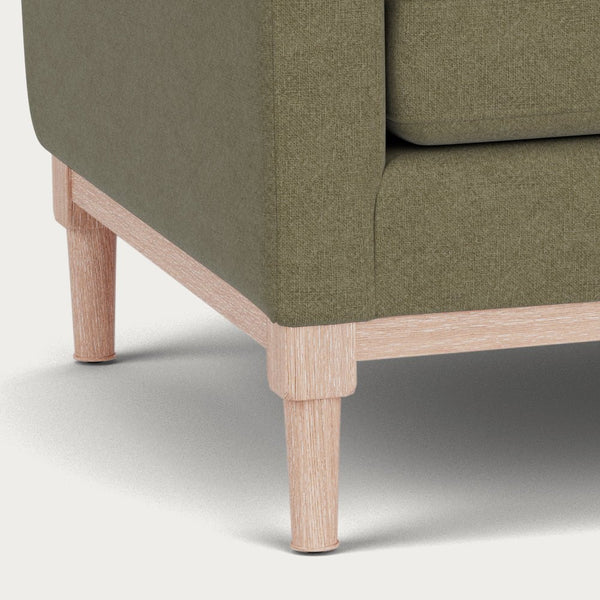
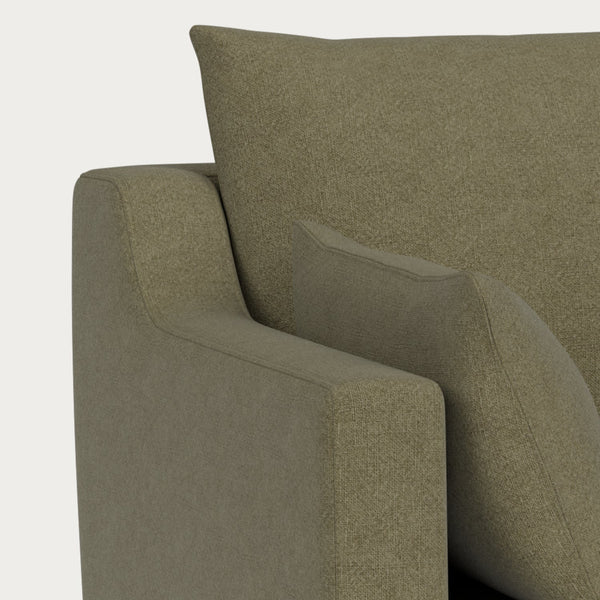
- Regular price
- From €3.595
- Regular price
-
€0 - Sale price
- From €3.595
- Percentage saved
- Save %


Order free fabric samples
Order up to eight free fabric samples to see and feel our upholstery fabrics at home before you buy.
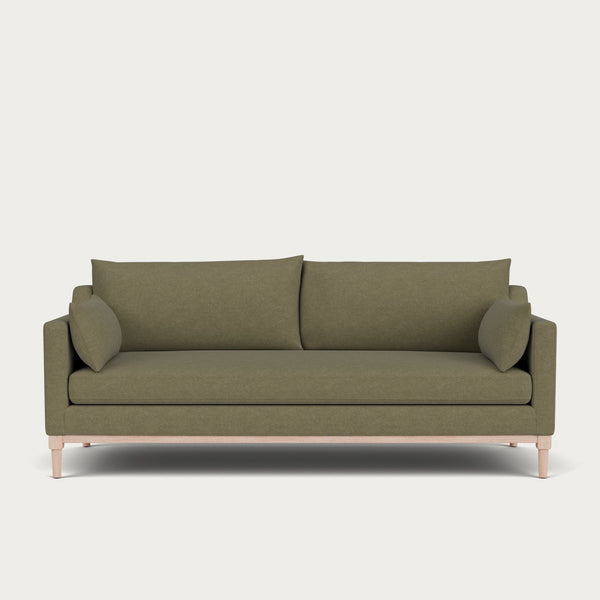
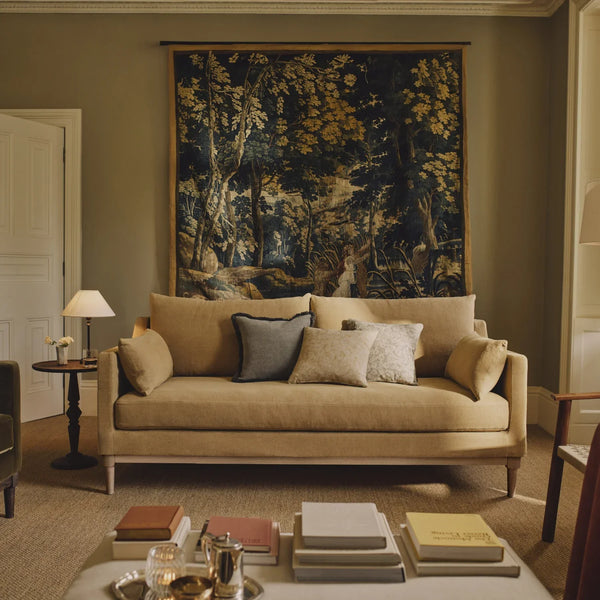
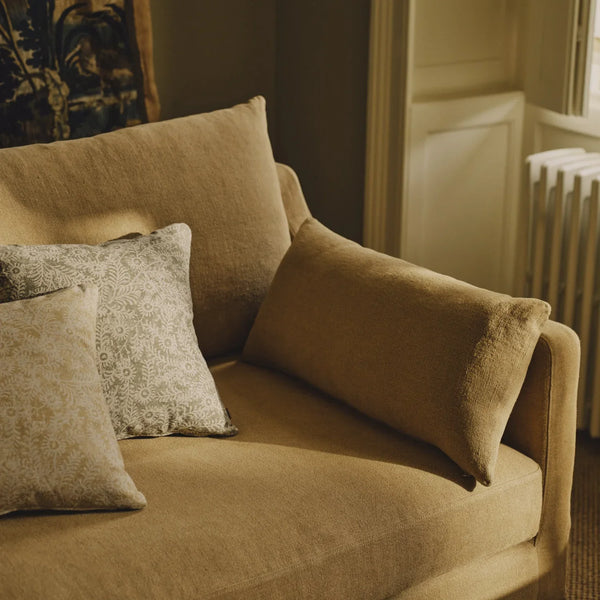
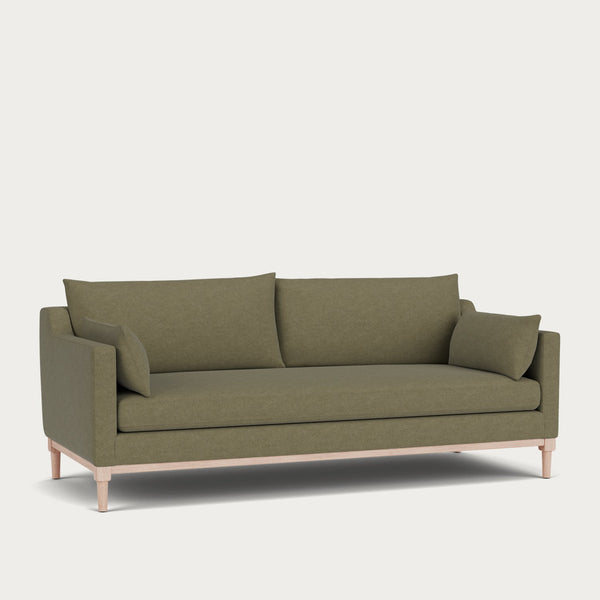
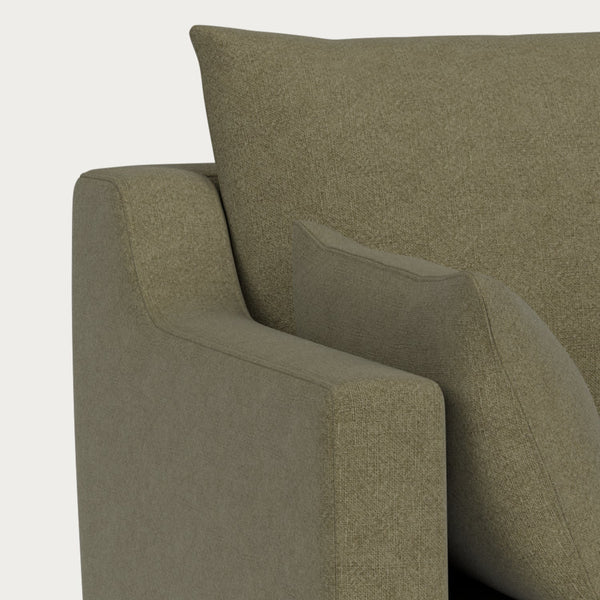
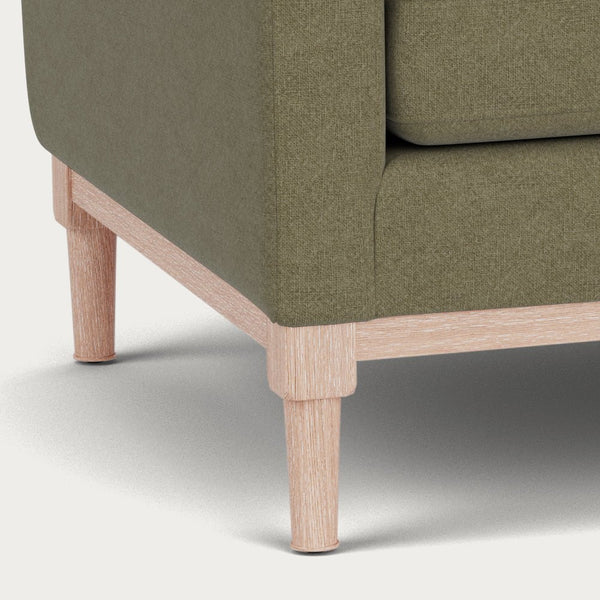
- Regular price
- From €4.750
- Regular price
-
€0 - Sale price
- From €4.750
- Percentage saved
- Save %
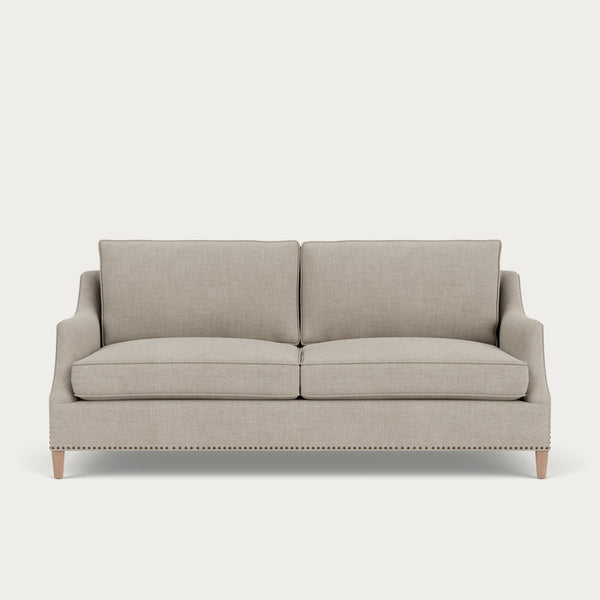
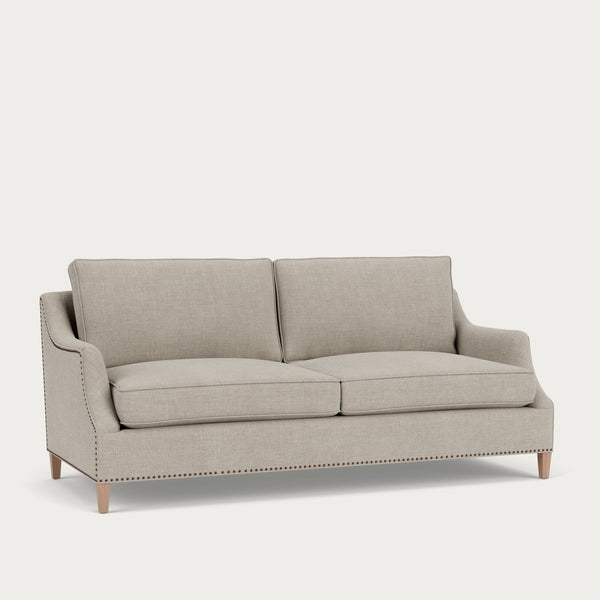
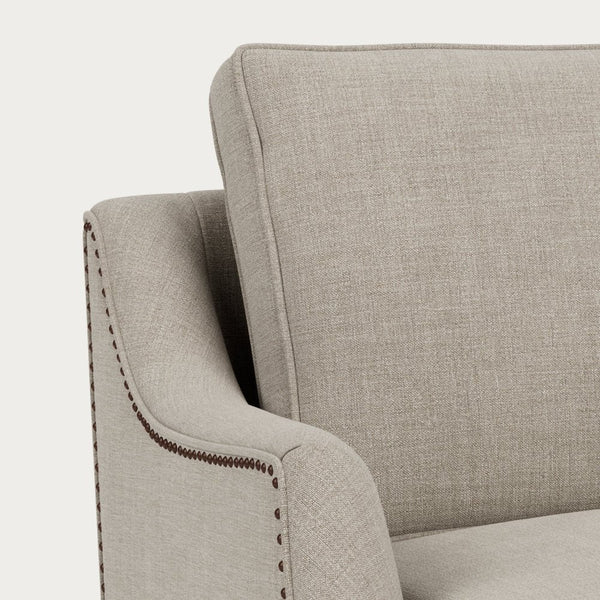
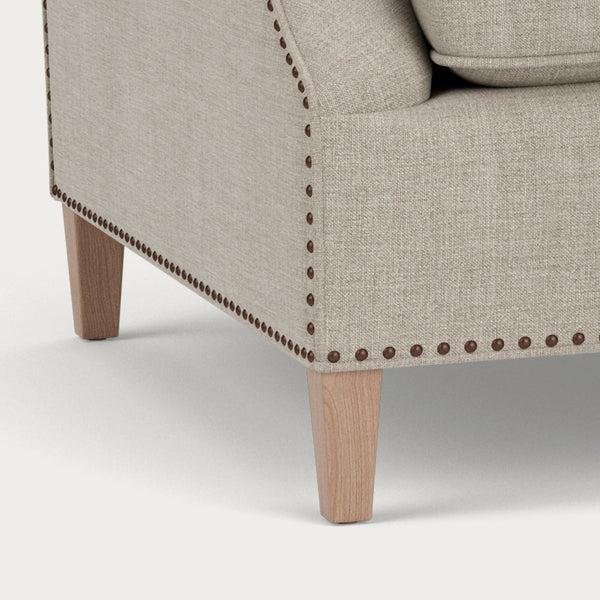

- Regular price
- From €4.350
- Regular price
-
€0 - Sale price
- From €4.350
- Percentage saved
- Save %
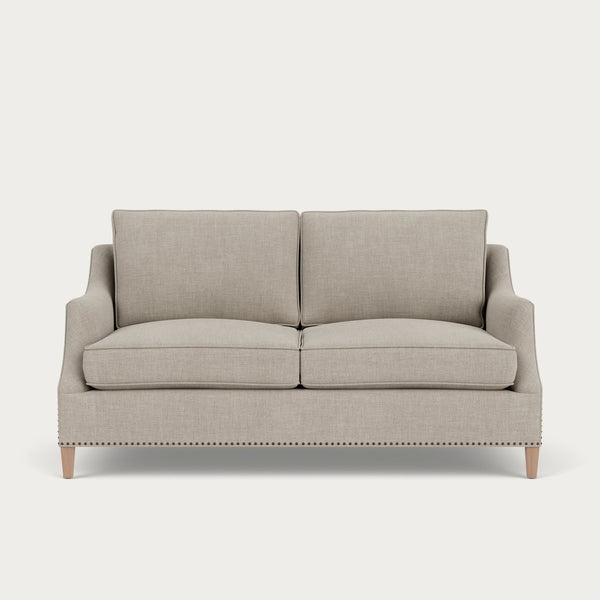
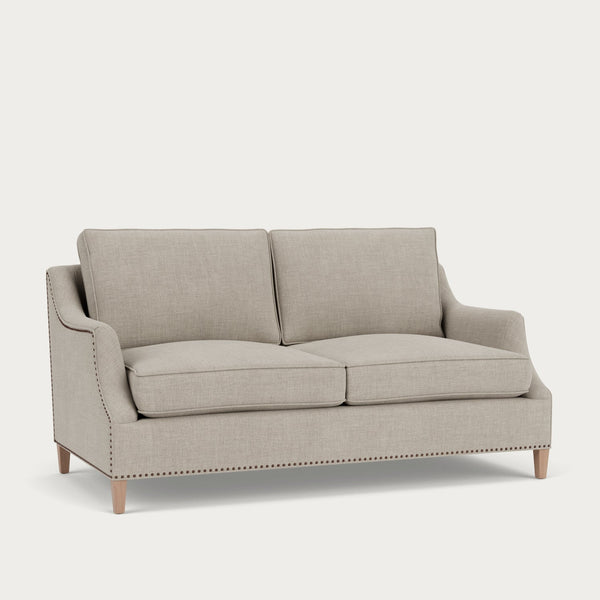
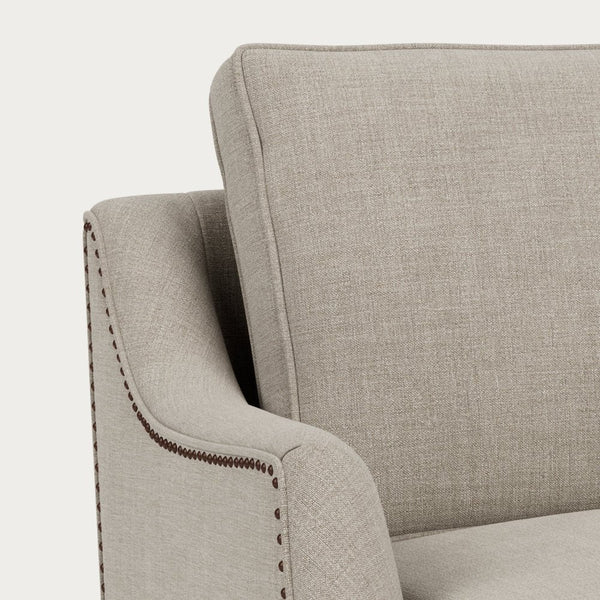
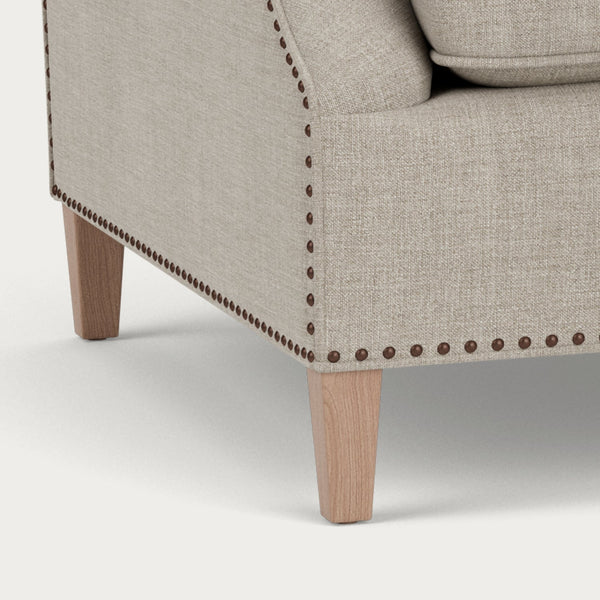

- Regular price
- From €3.595
- Regular price
-
€0 - Sale price
- From €3.595
- Percentage saved
- Save %
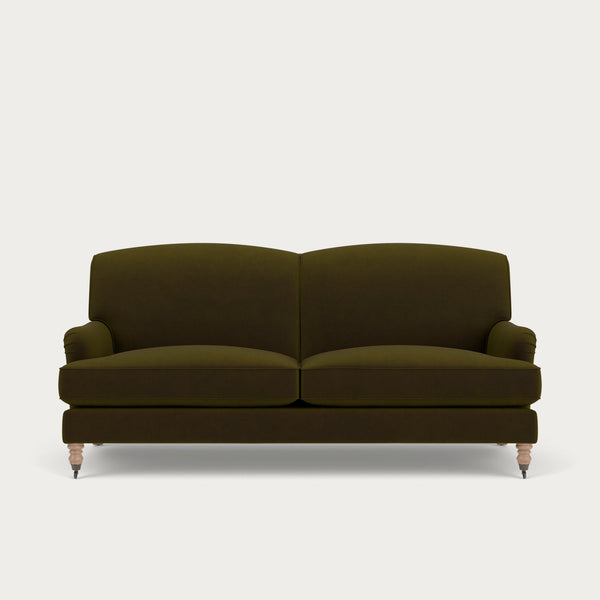
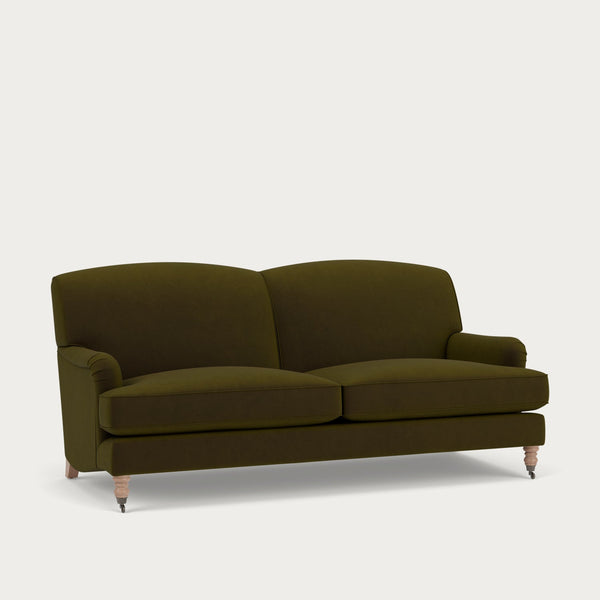
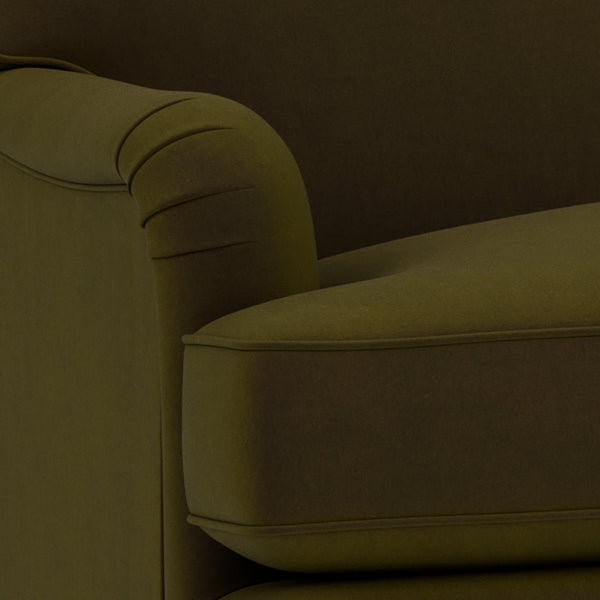
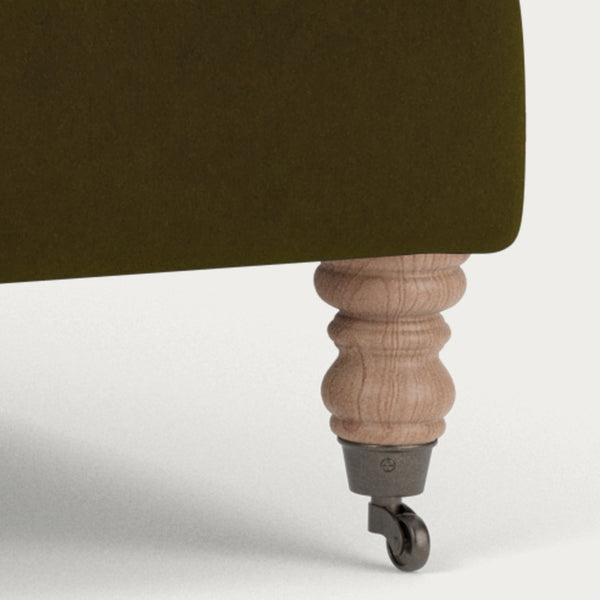
- Regular price
- From €3.850
- Regular price
-
€0 - Sale price
- From €3.850
- Percentage saved
- Save %
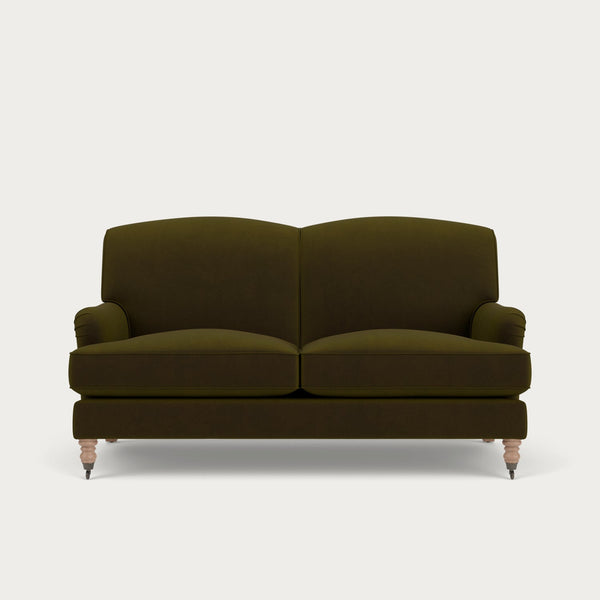
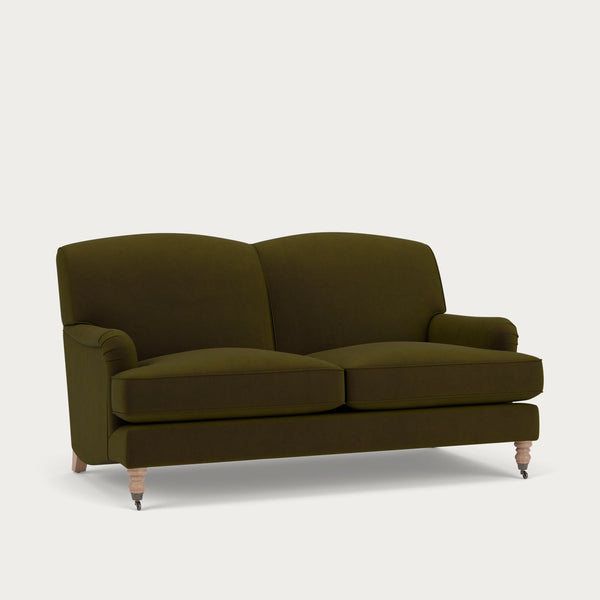
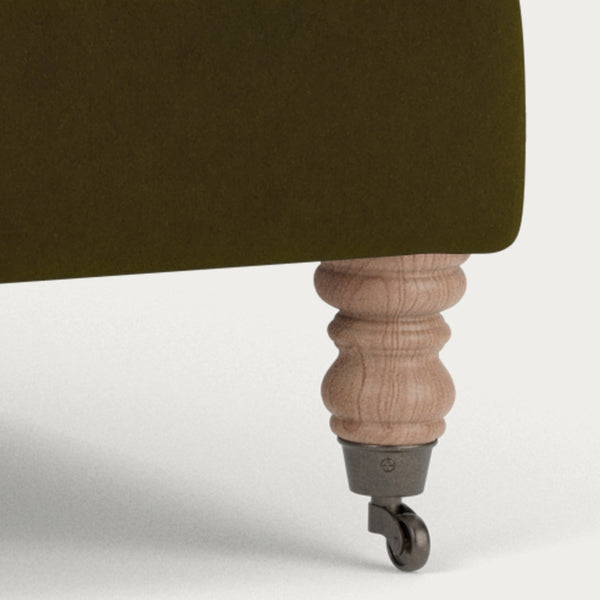

- Regular price
- From €3.195
- Regular price
-
€0 - Sale price
- From €3.195
- Percentage saved
- Save %
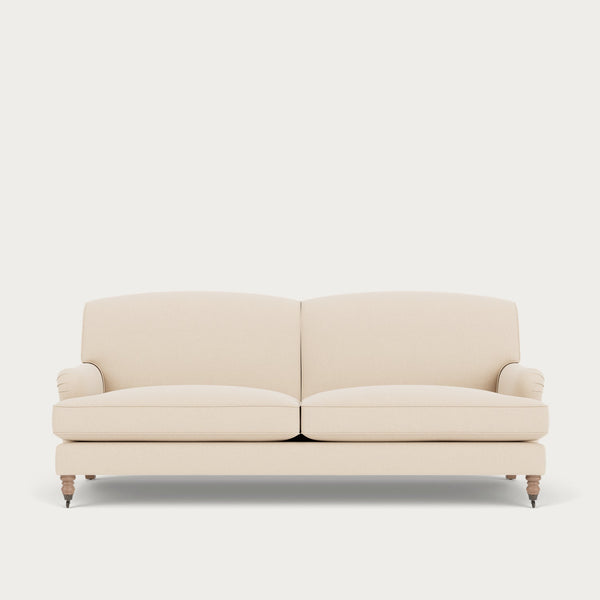
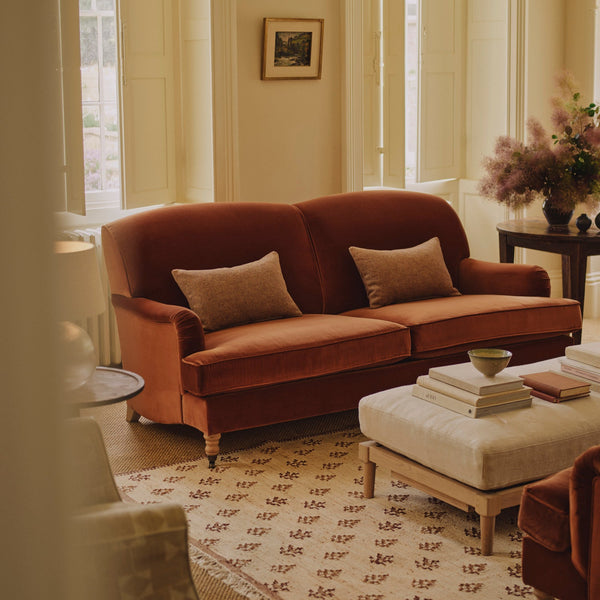
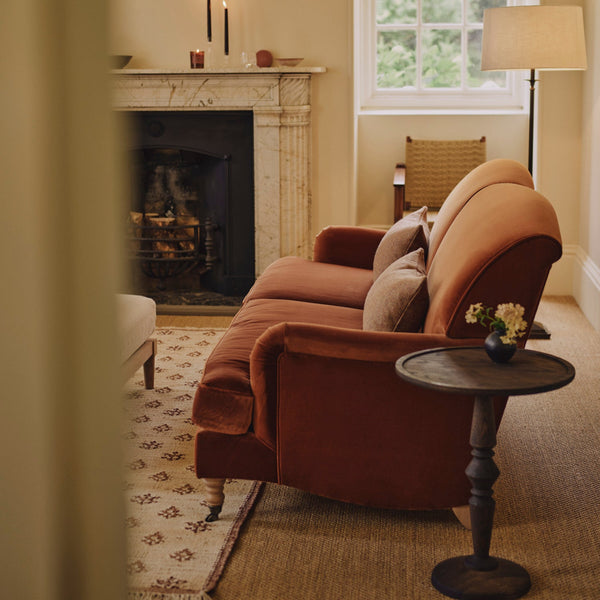
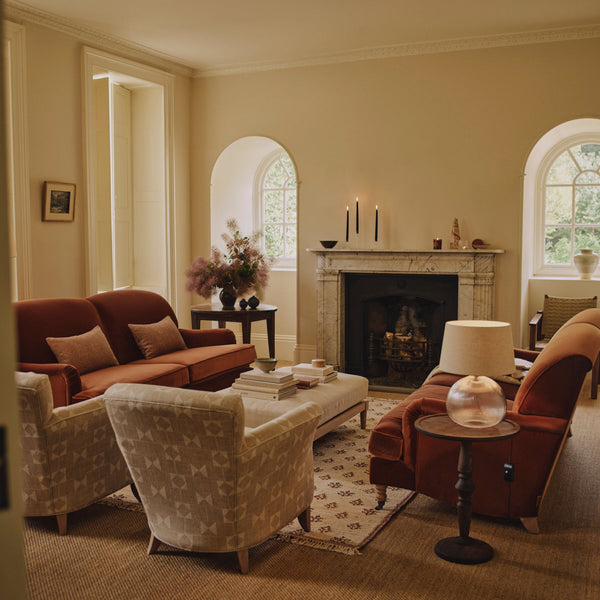
- Regular price
- From €4.350
- Regular price
-
€0 - Sale price
- From €4.350
- Percentage saved
- Save %
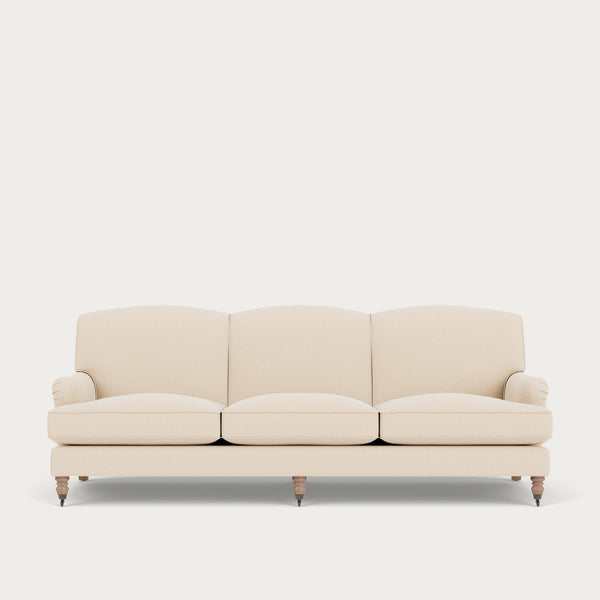
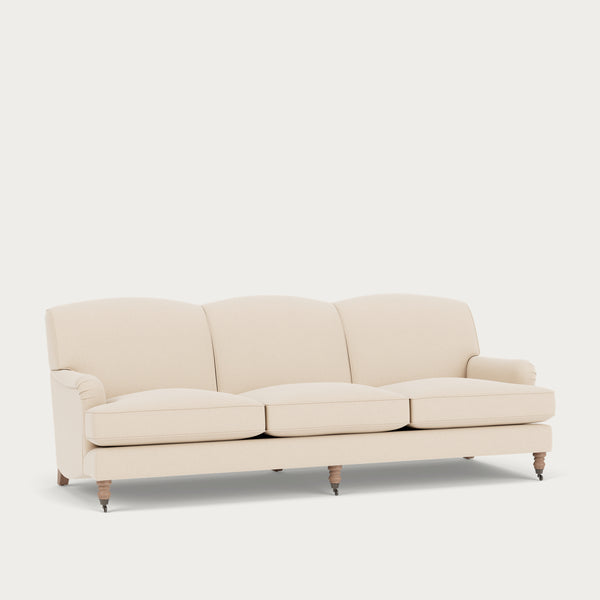
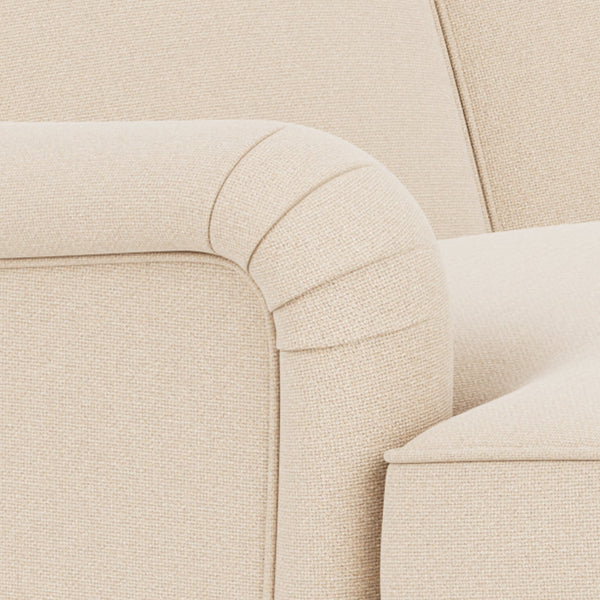
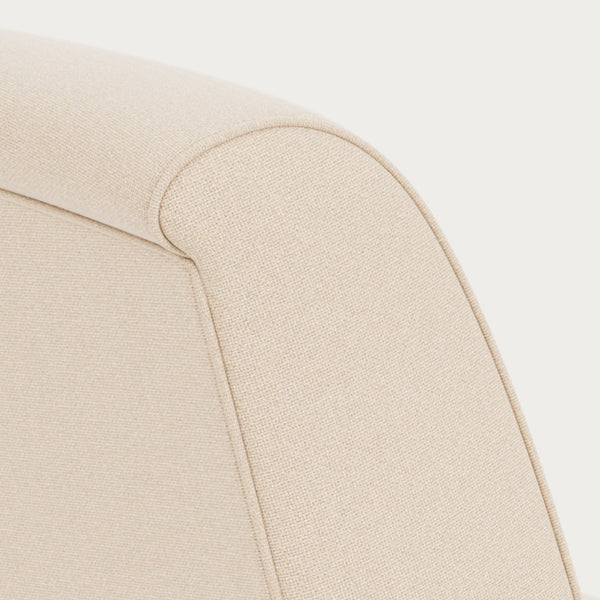
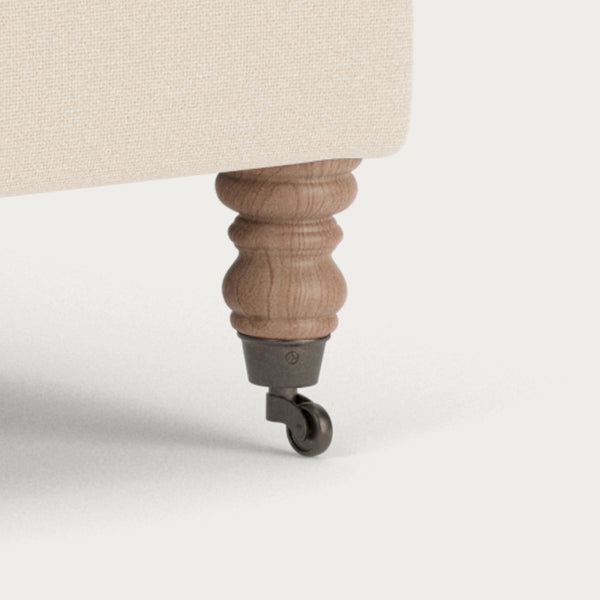
- Regular price
- From €4.995
- Regular price
-
€0 - Sale price
- From €4.995
- Percentage saved
- Save %
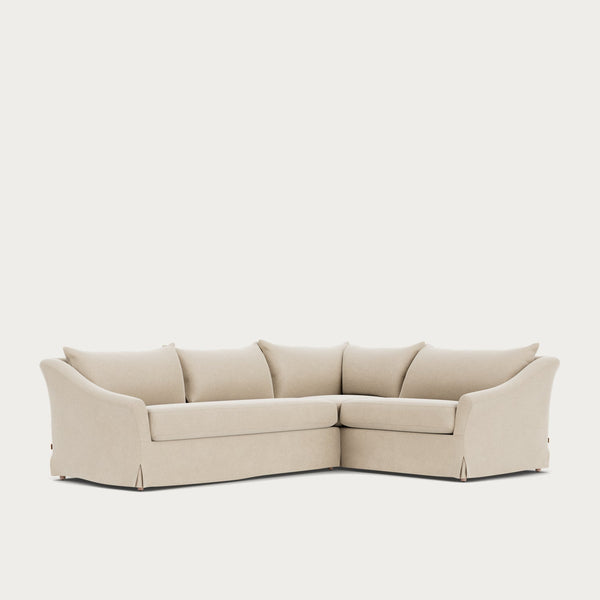
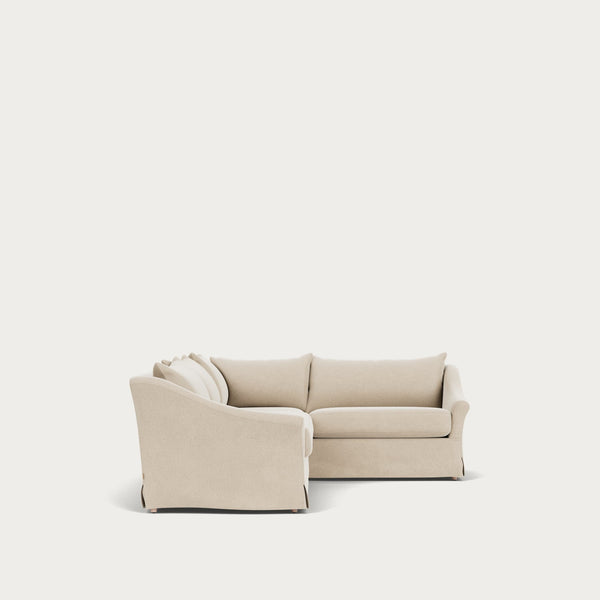
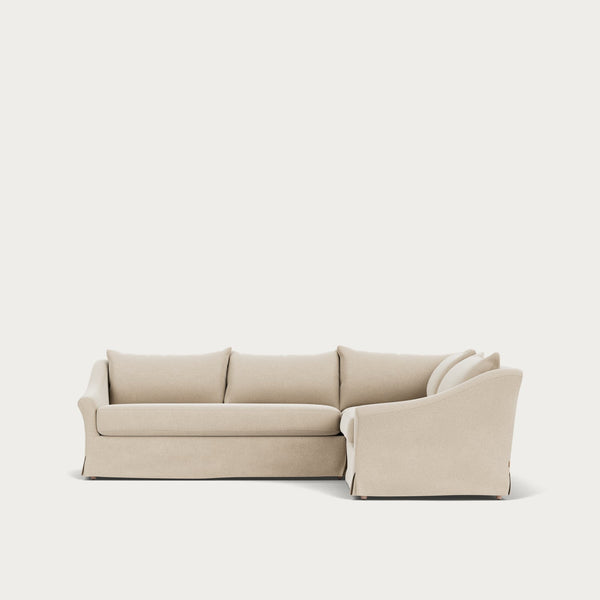
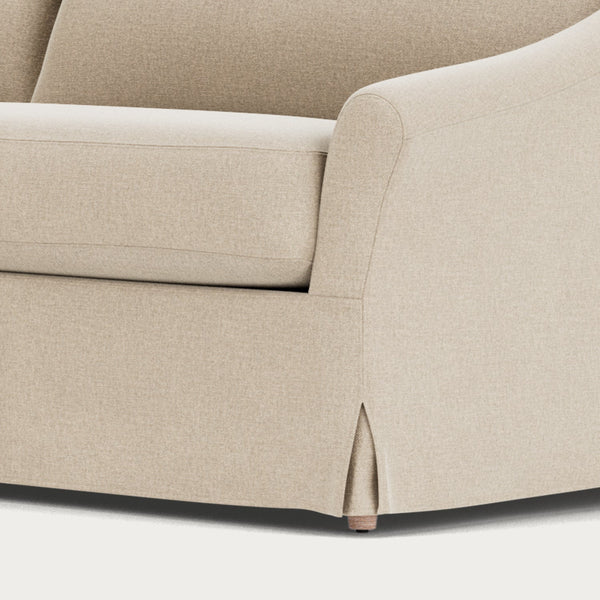
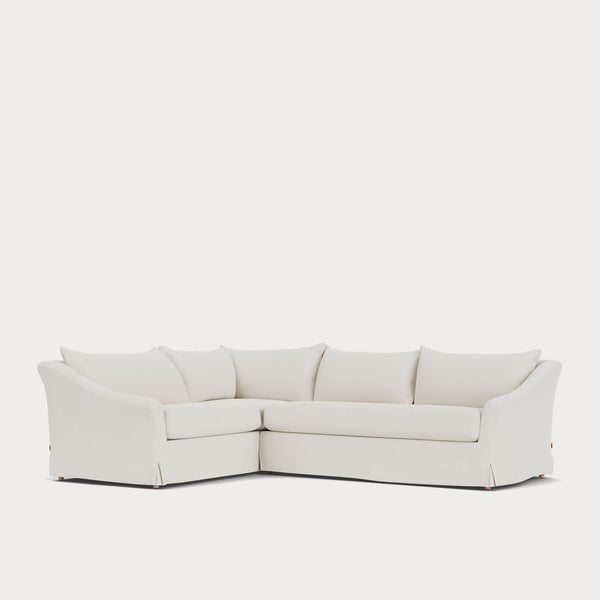
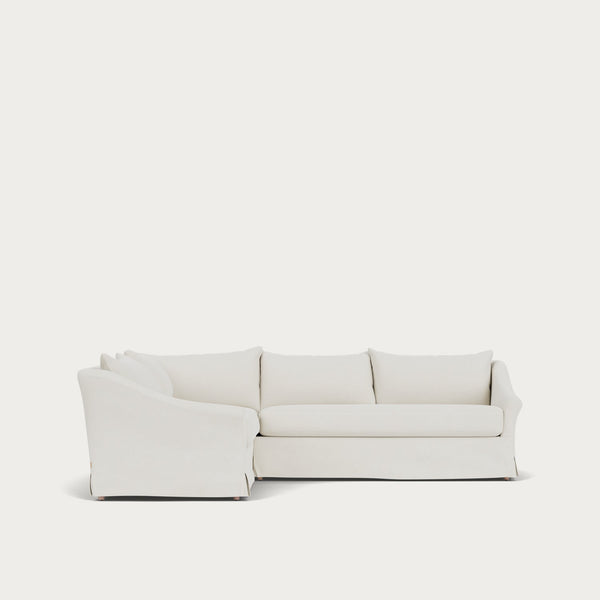
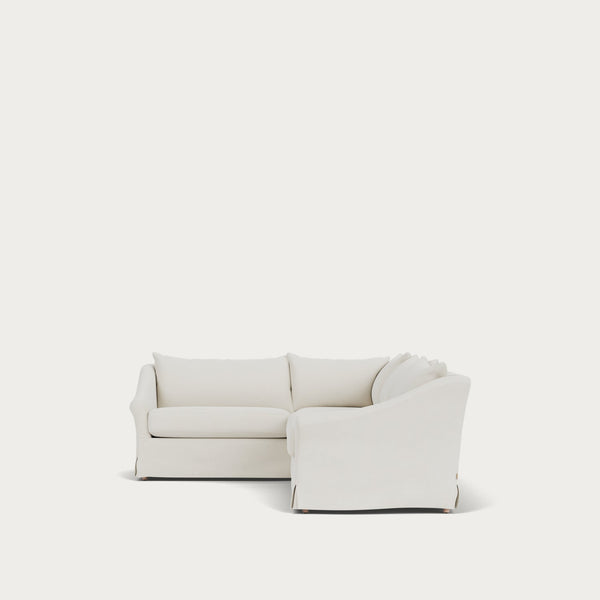
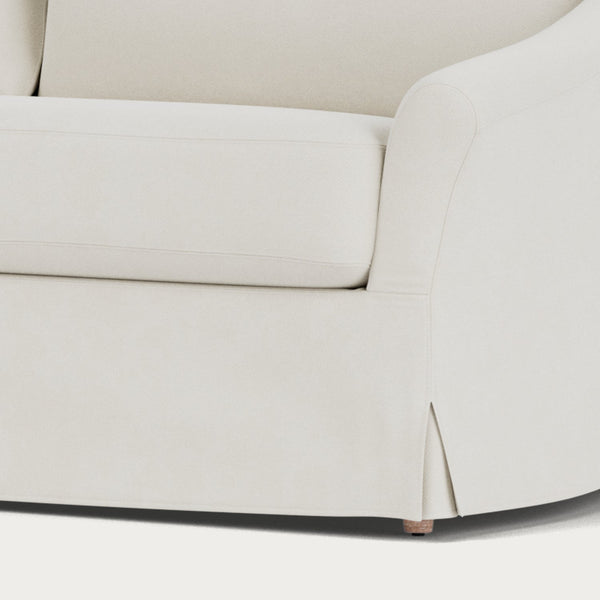
- Regular price
- From €7.790
- Regular price
-
€0 - Sale price
- From €7.790
- Percentage saved
- Save %
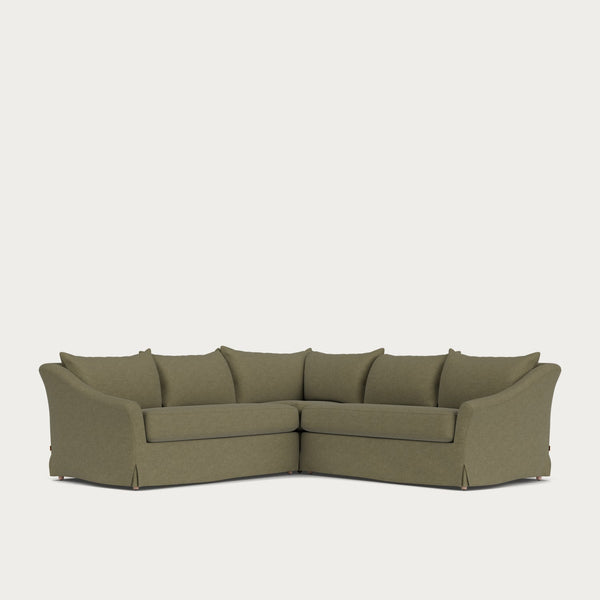
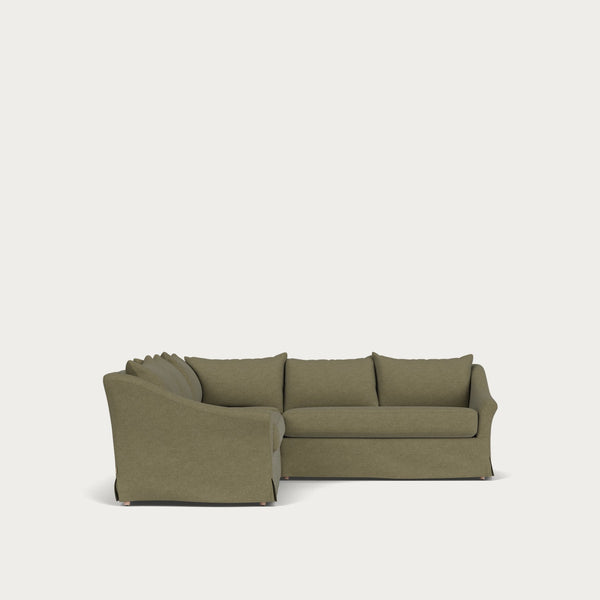
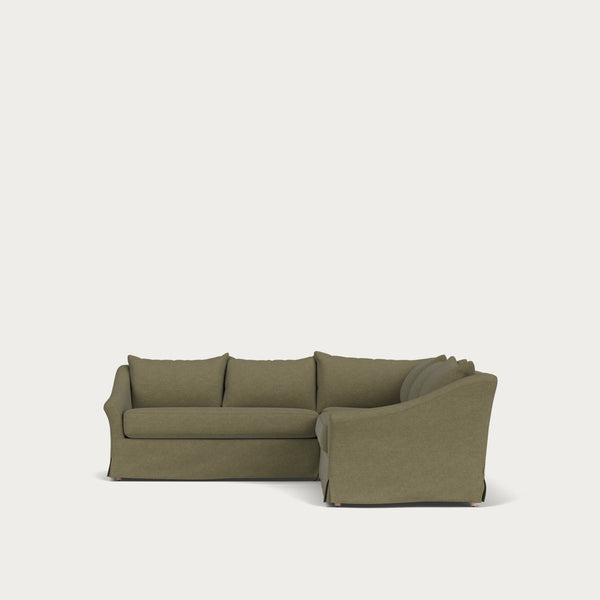
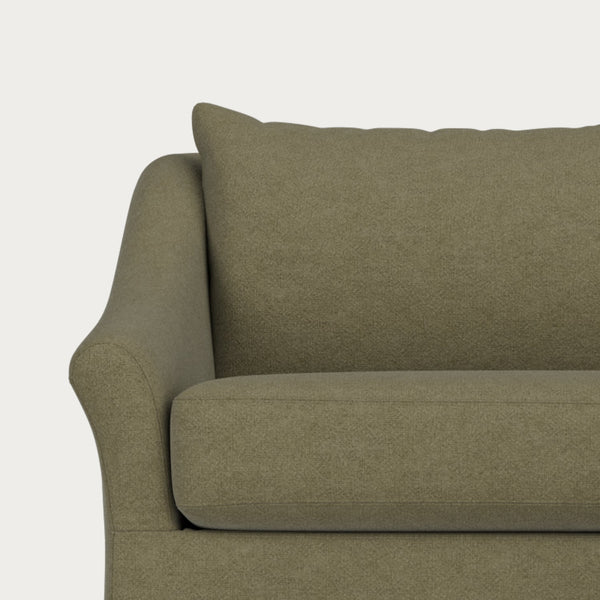

- Regular price
- From €8.985
- Regular price
-
€0 - Sale price
- From €8.985
- Percentage saved
- Save %
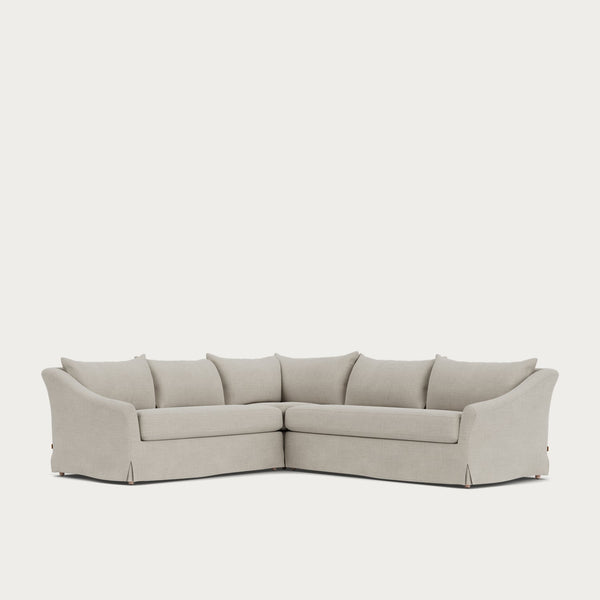
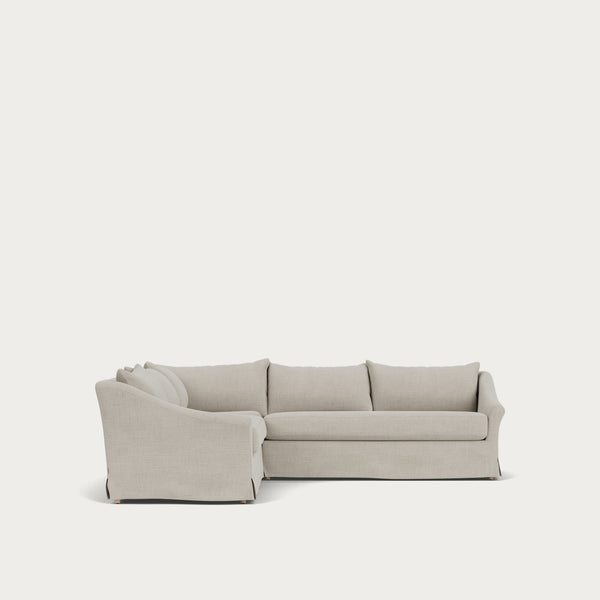
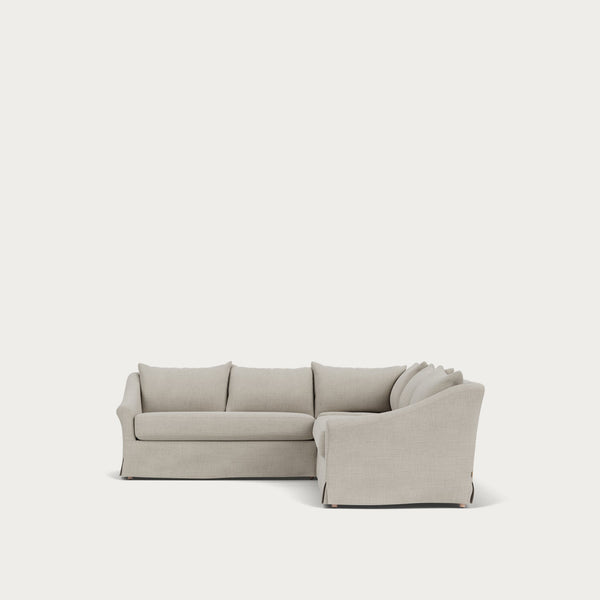
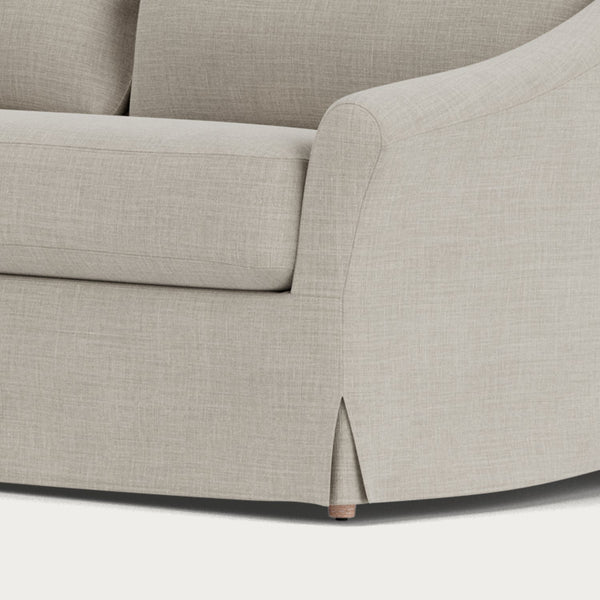
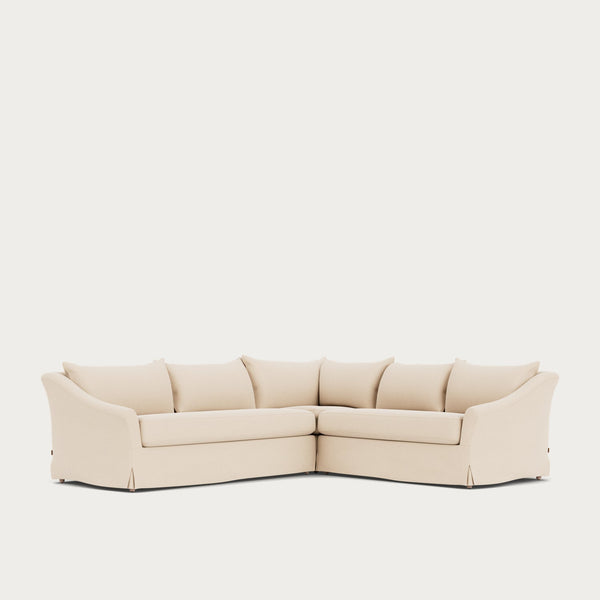
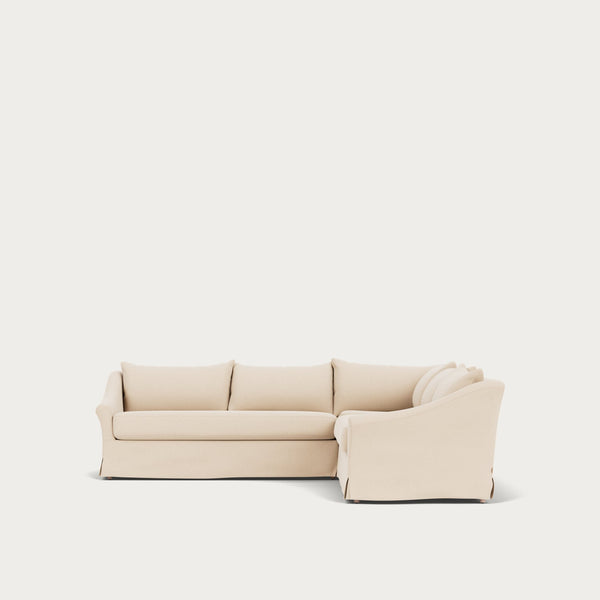
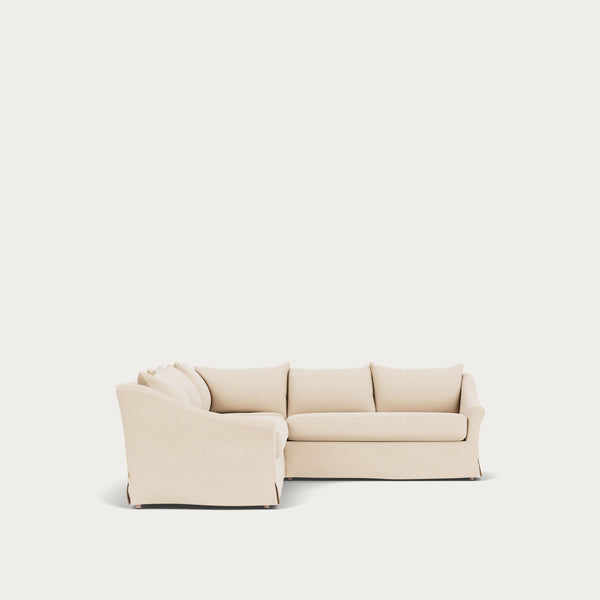
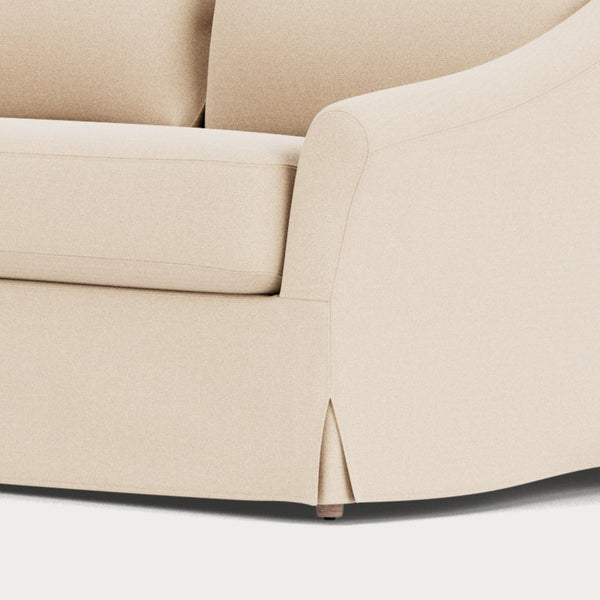
- Regular price
- From €9.385
- Regular price
-
€0 - Sale price
- From €9.385
- Percentage saved
- Save %
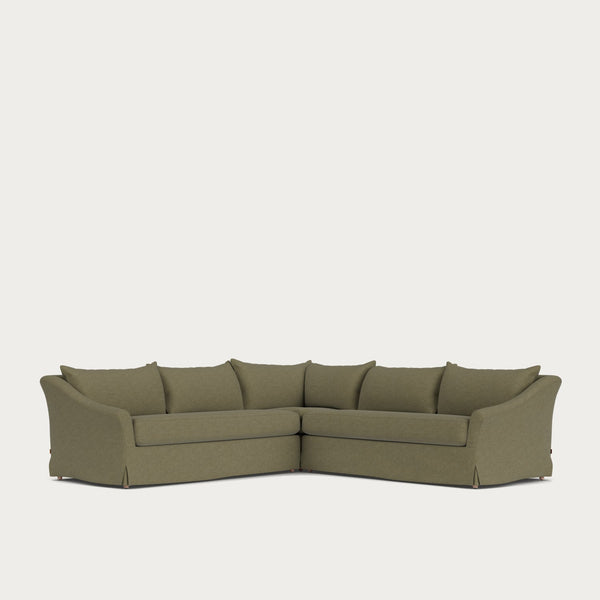
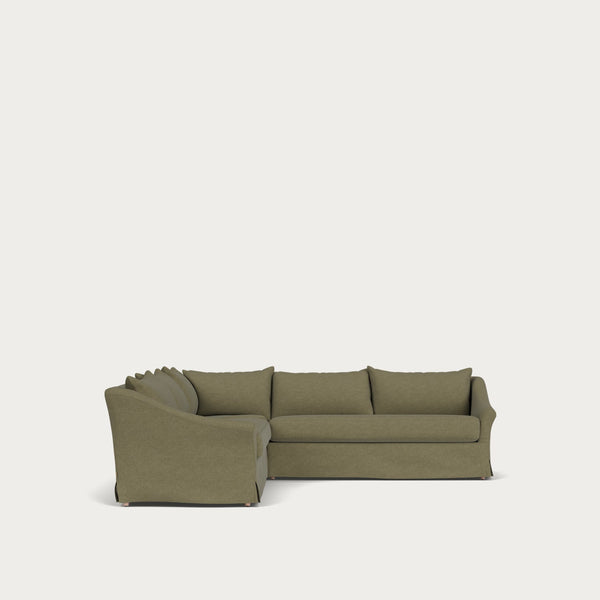
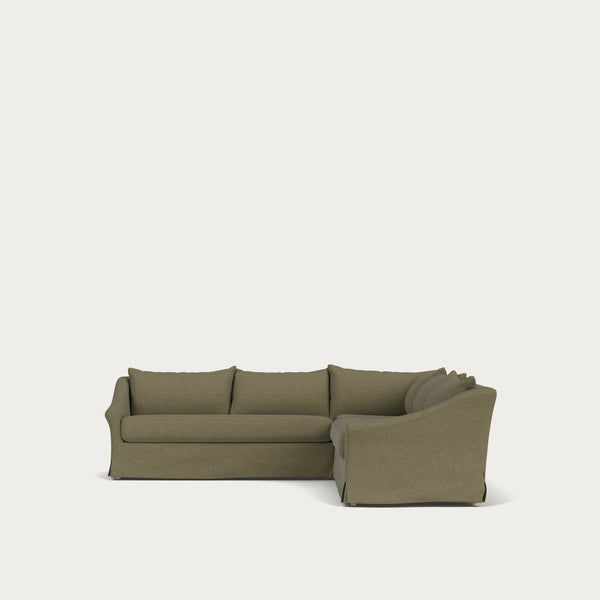
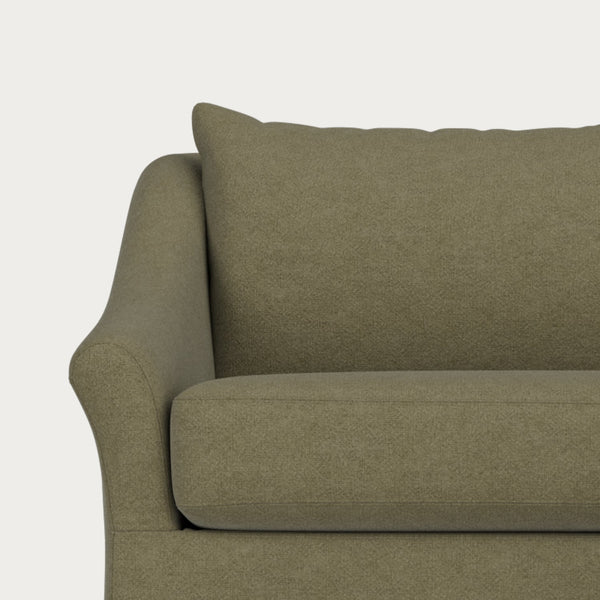
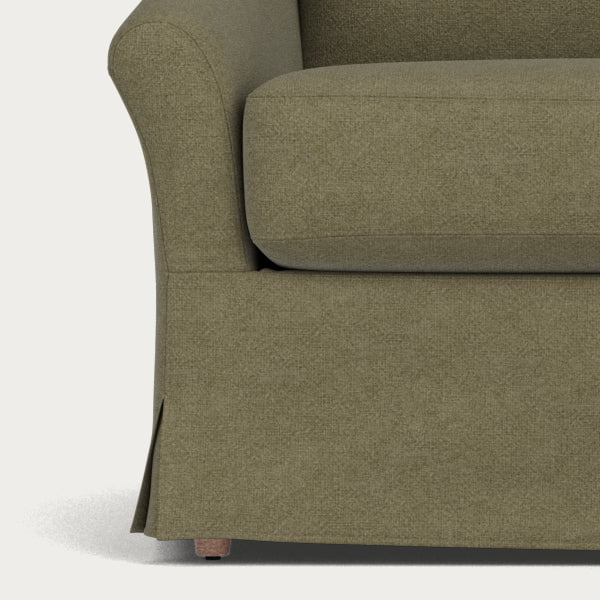
- Regular price
- From €9.785
- Regular price
-
€0 - Sale price
- From €9.785
- Percentage saved
- Save %


- Regular price
- From €3.450
- Regular price
-
€0 - Sale price
- From €3.450
- Percentage saved
- Save %
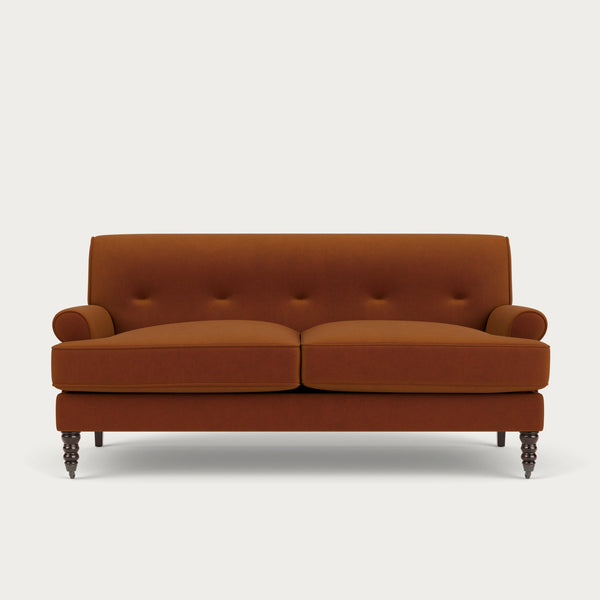
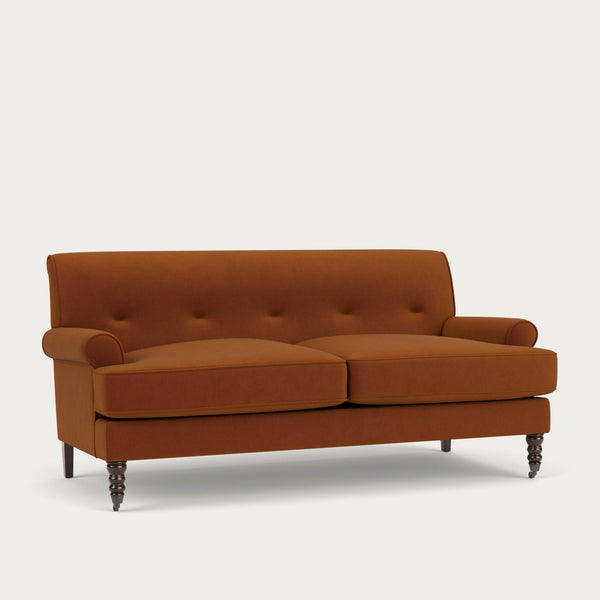
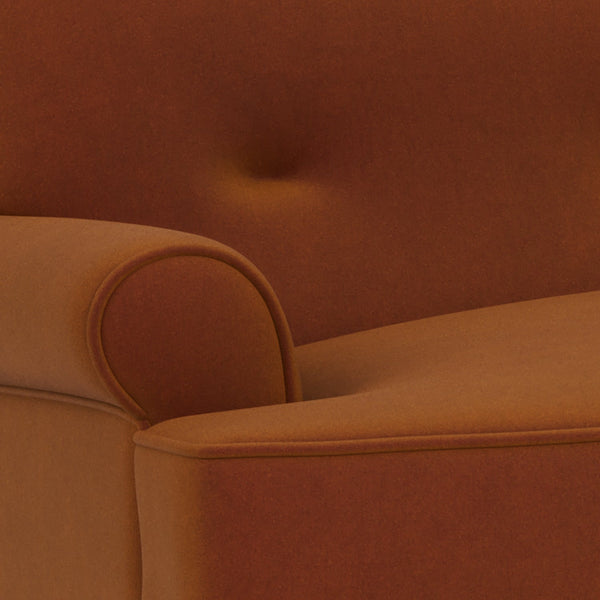
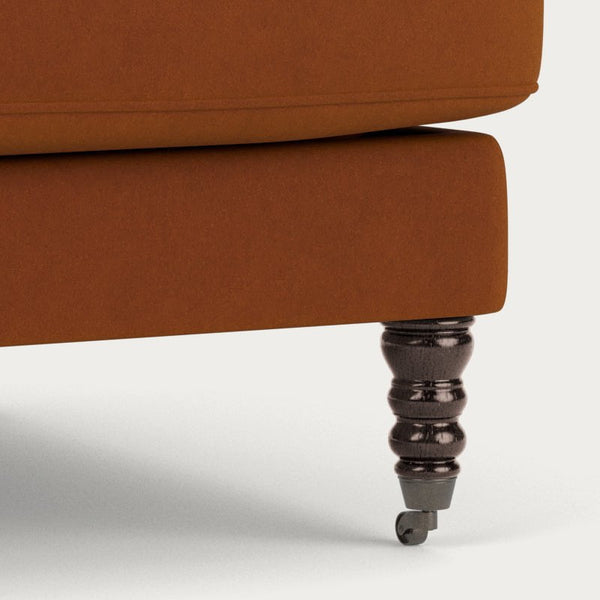
- Regular price
- From €2.850
- Regular price
-
€0 - Sale price
- From €2.850
- Percentage saved
- Save %


- Regular price
- From €3.850
- Regular price
-
€0 - Sale price
- From €3.850
- Percentage saved
- Save %
You're viewing 24 of 30
Products
Load More
Explore more
- Lifetime guaranteeKitchens & furniture built to last a lifetime
- Price promiseConsistent quality, consistent prices
- Consciously craftedResponsibly sourced, natural materials


