



- Regular price
- £7
- Regular price
-
£0 - Sale price
- £7
- Percentage saved
- Save %
- Regular price
- £7
- Regular price
-
£0 - Sale price
- £7
- Percentage saved
- Save %

- Regular price
- £7
- Regular price
-
£0 - Sale price
- £7
- Percentage saved
- Save %

- Regular price
- £7
- Regular price
-
£0 - Sale price
- £7
- Percentage saved
- Save %
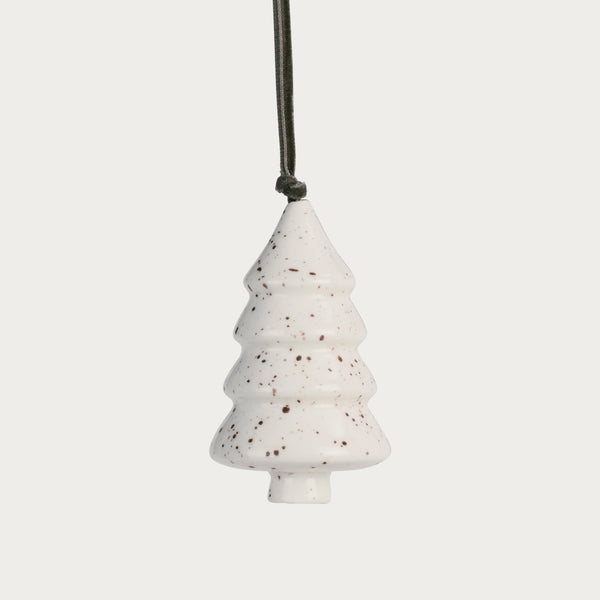
- Regular price
- £7
- Regular price
-
£0 - Sale price
- £7
- Percentage saved
- Save %
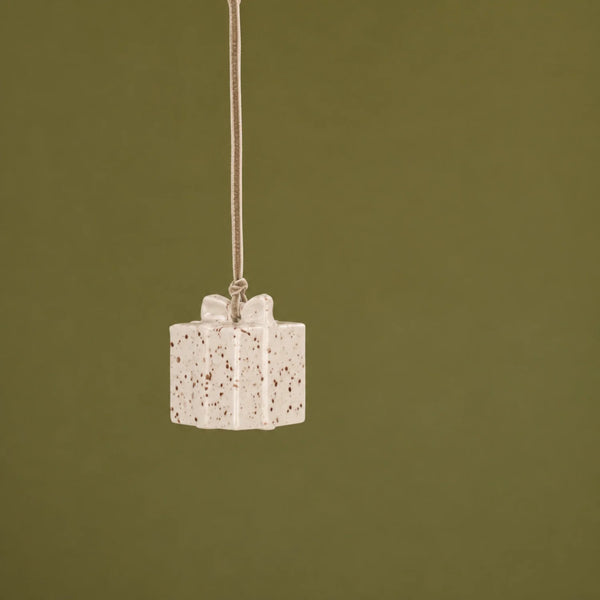
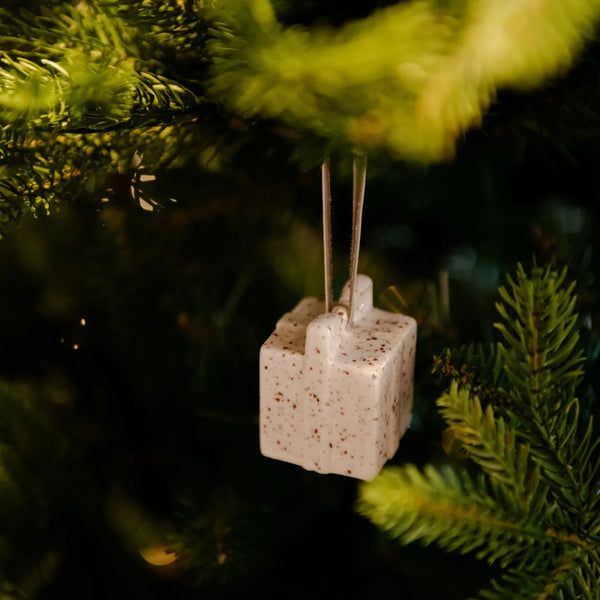
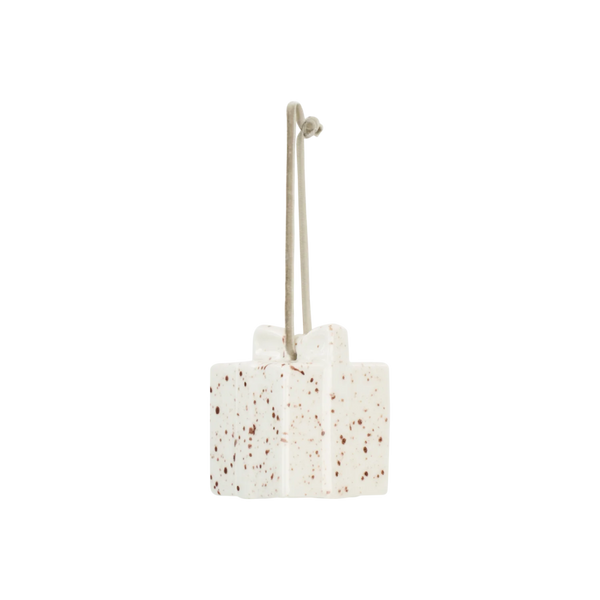
New
- Regular price
- £7
- Regular price
-
£0 - Sale price
- £7
- Percentage saved
- Save %

New
- Regular price
- £7
- Regular price
-
£0 - Sale price
- £7
- Percentage saved
- Save %


- Regular price
- £8
- Regular price
-
£0 - Sale price
- £8
- Percentage saved
- Save %


- Regular price
- £12
- Regular price
-
£0 - Sale price
- £12
- Percentage saved
- Save %
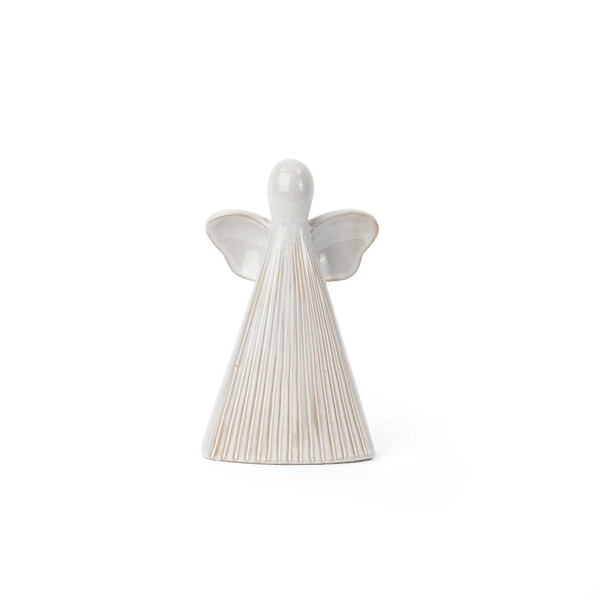
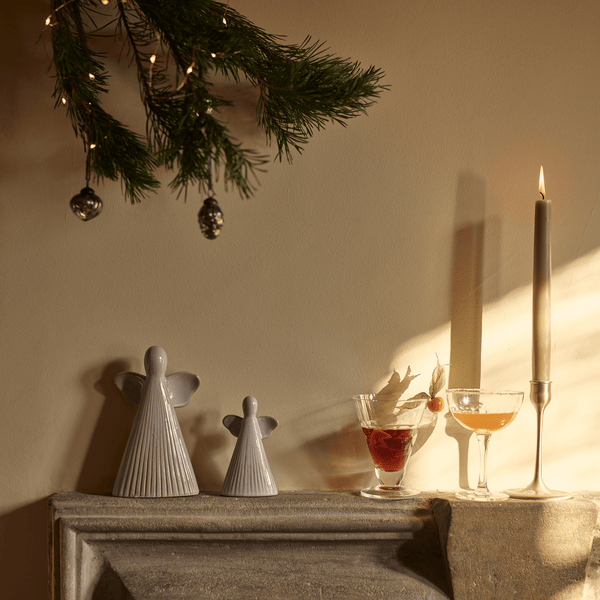
- Regular price
- £10
- Regular price
-
£0 - Sale price
- £10
- Percentage saved
- Save %
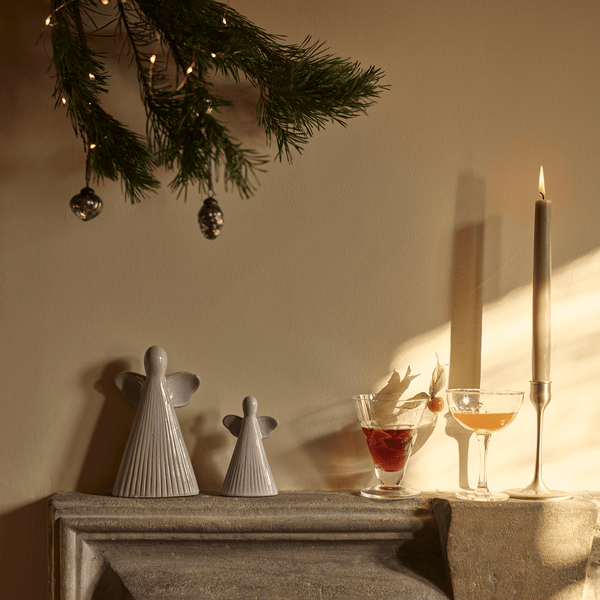
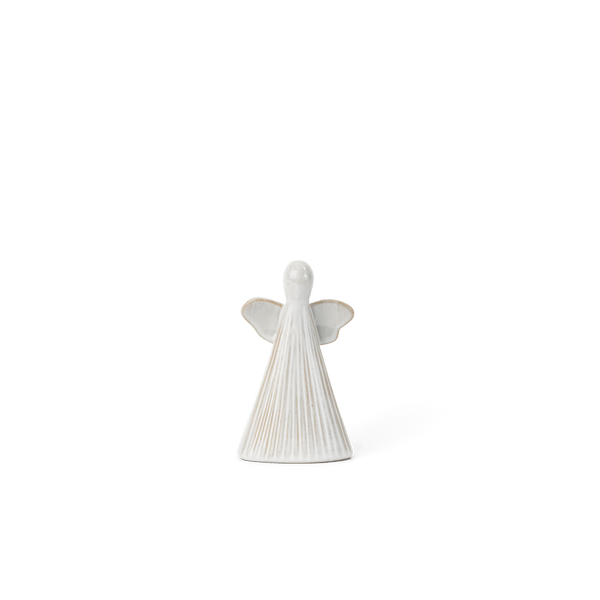
- Regular price
- £6
- Regular price
-
£0 - Sale price
- £6
- Percentage saved
- Save %


- Regular price
- £7
- Regular price
-
£0 - Sale price
- £7
- Percentage saved
- Save %
You're viewing 12 of 12
Products
- Lifetime guaranteeKitchens & furniture built to last a lifetime
- Price promiseConsistent quality, consistent prices
- Consciously craftedResponsibly sourced, natural materials


