


- Regular price
- £225
- Regular price
-
£0 - Sale price
- £225
- Percentage saved
- Save %
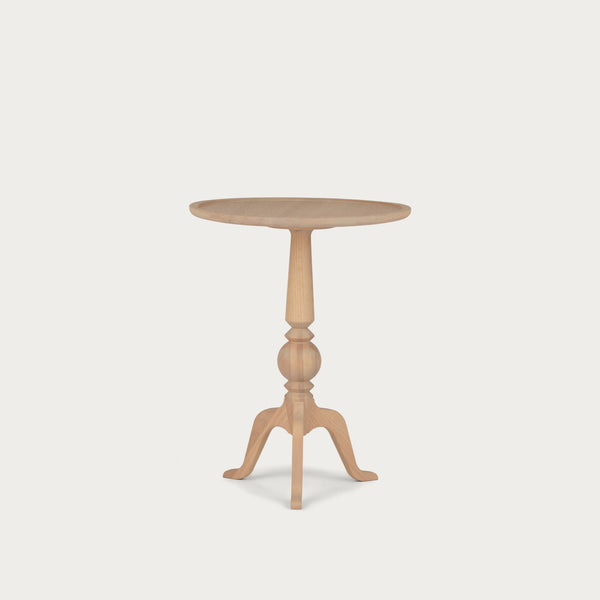
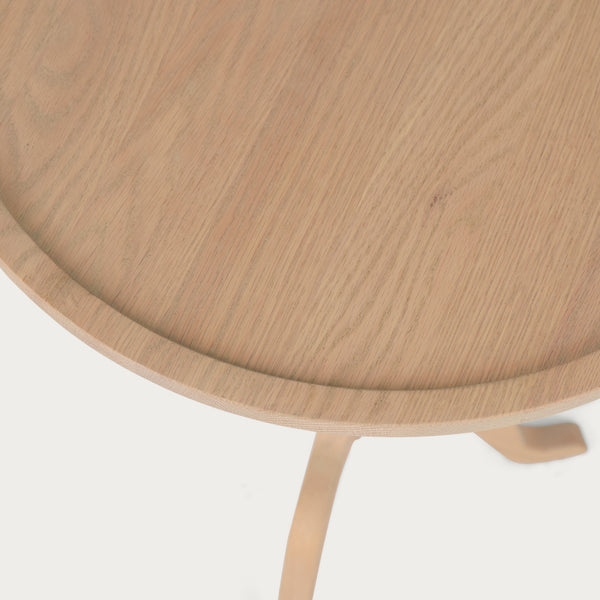
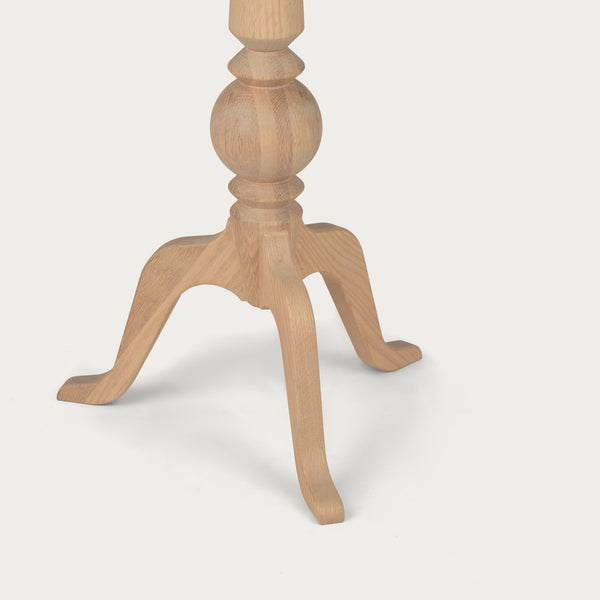
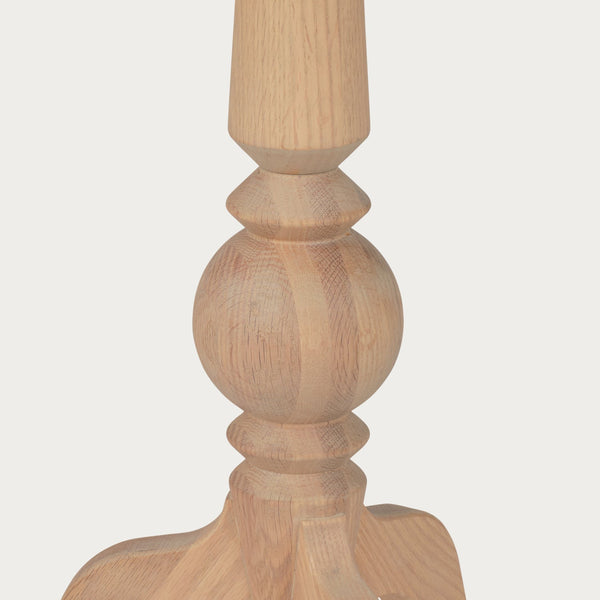
- Regular price
- £225
- Regular price
-
£0 - Sale price
- £225
- Percentage saved
- Save %
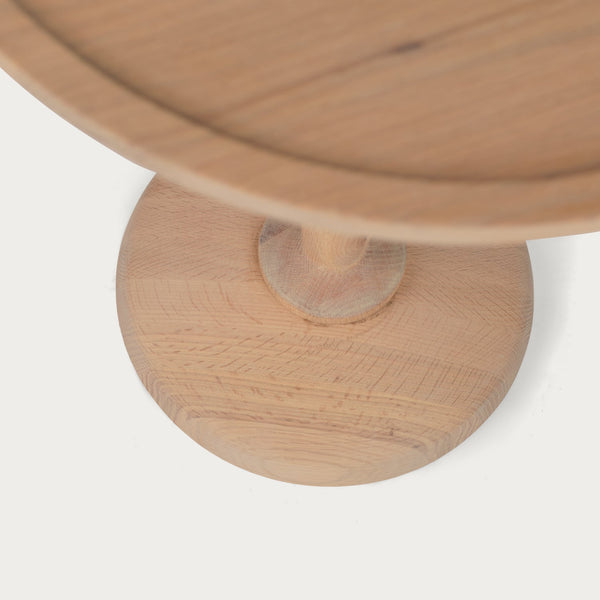
- Regular price
- £245
- Regular price
-
£0 - Sale price
- £245
- Percentage saved
- Save %
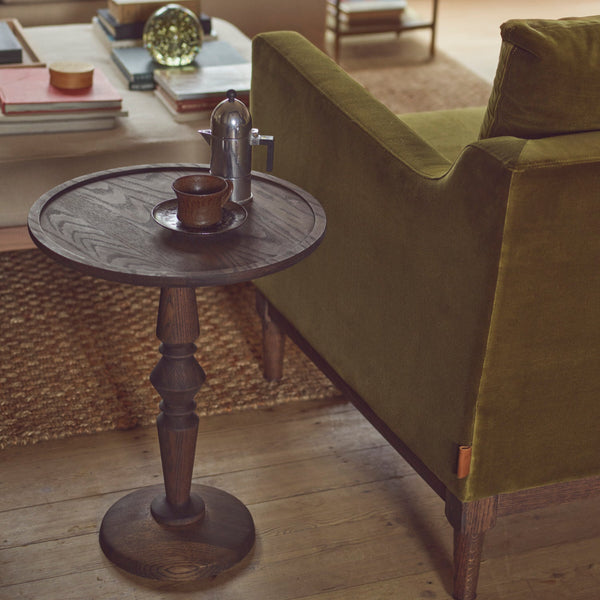

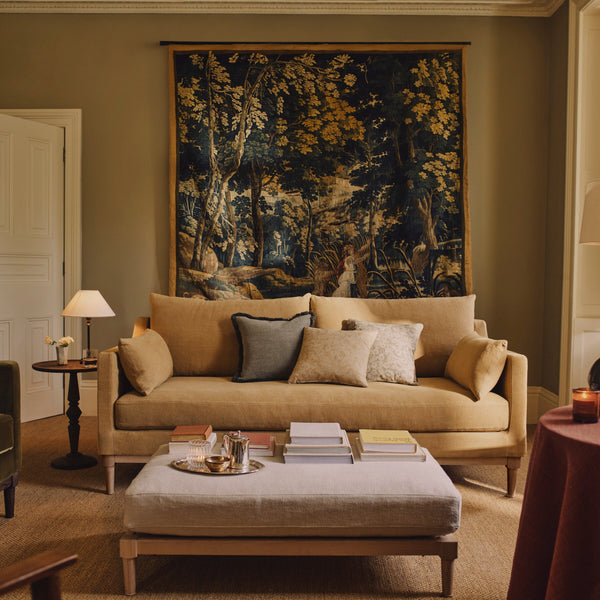
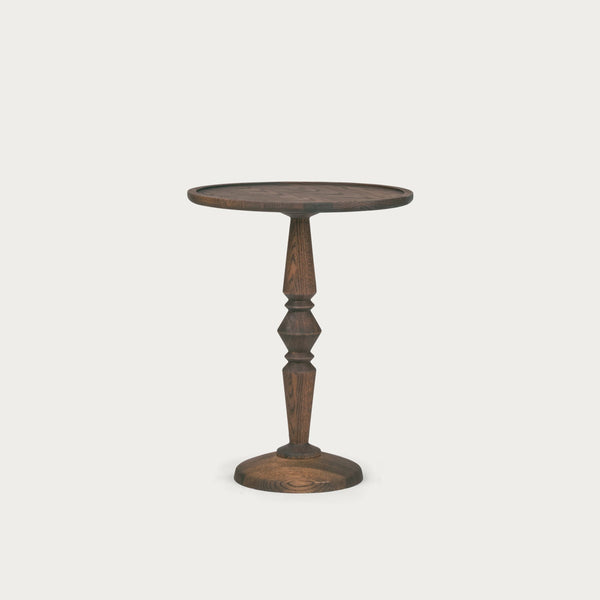
- Regular price
- £245
- Regular price
-
£0 - Sale price
- £245
- Percentage saved
- Save %
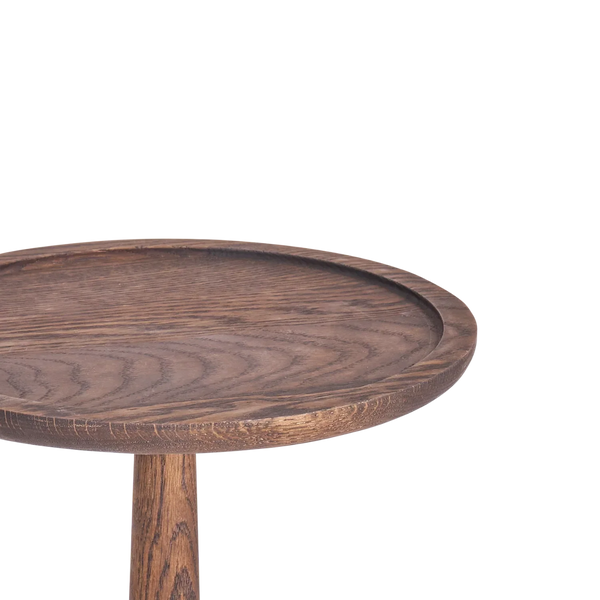
- Regular price
- £195
- Regular price
-
£0 - Sale price
- £195
- Percentage saved
- Save %
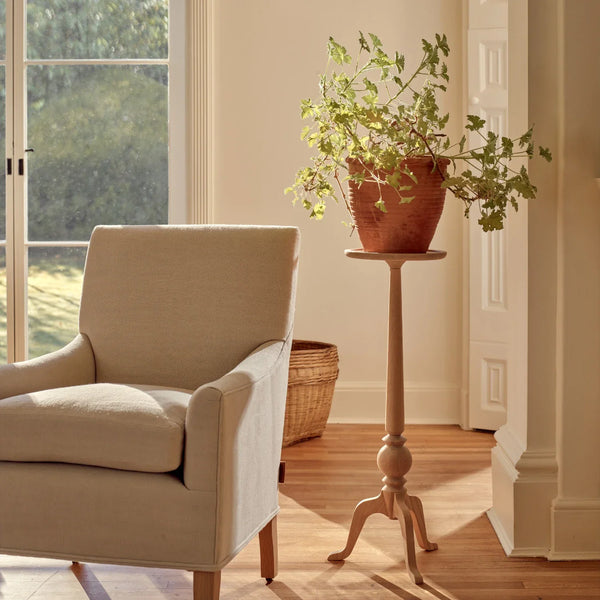
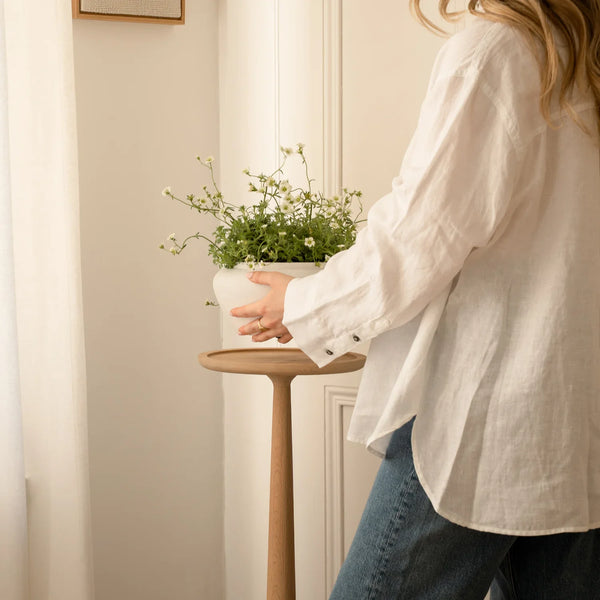
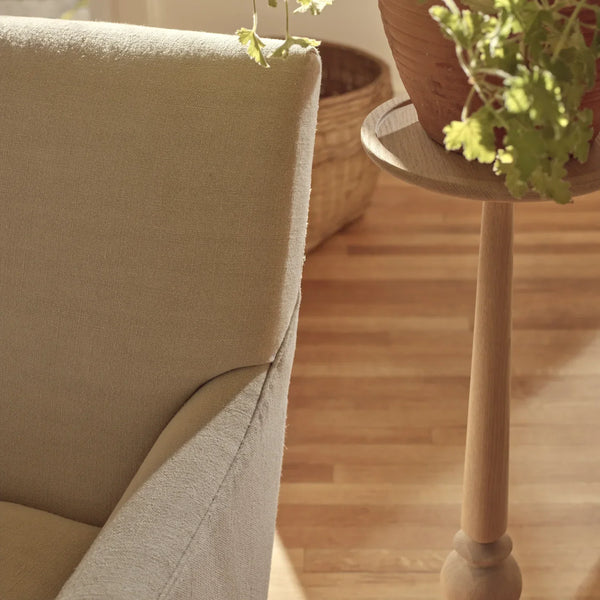
- Regular price
- £195
- Regular price
-
£0 - Sale price
- £195
- Percentage saved
- Save %
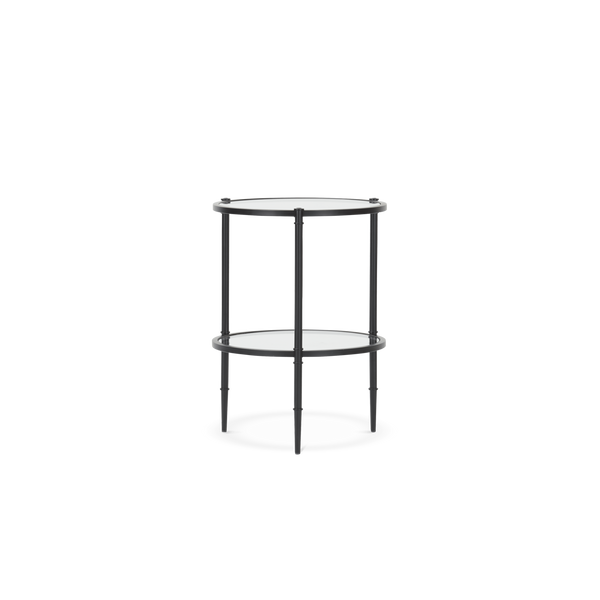
- Regular price
- £595
- Regular price
-
£0 - Sale price
- £595
- Percentage saved
- Save %
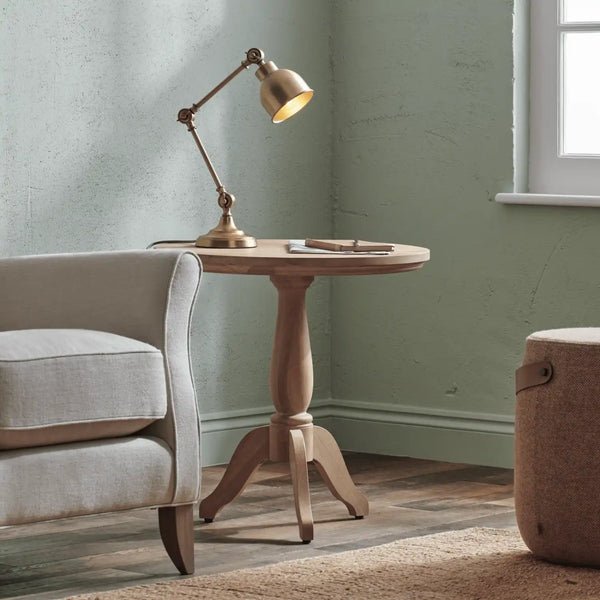
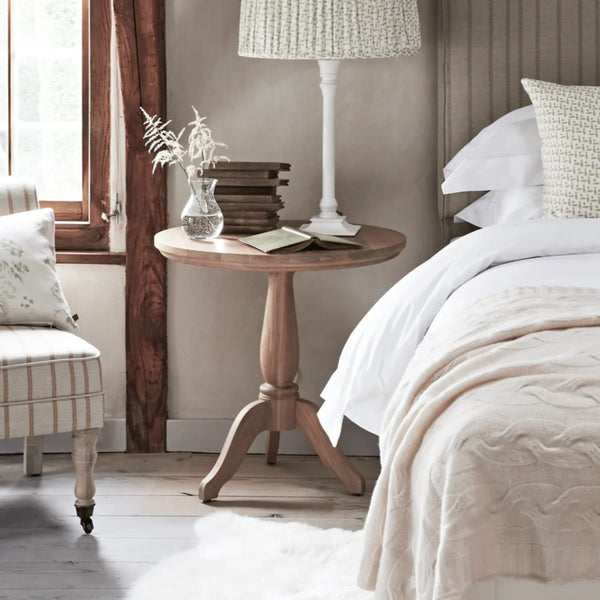
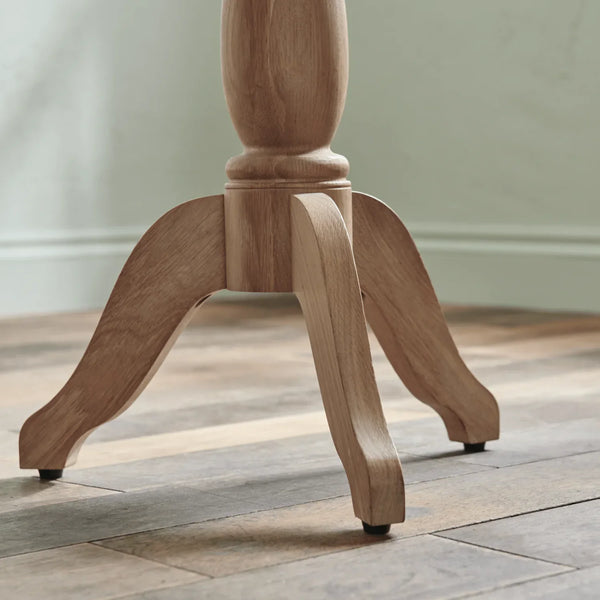
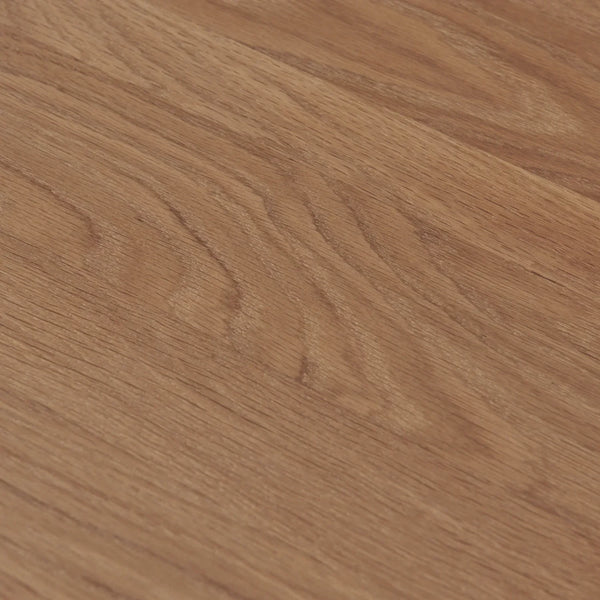
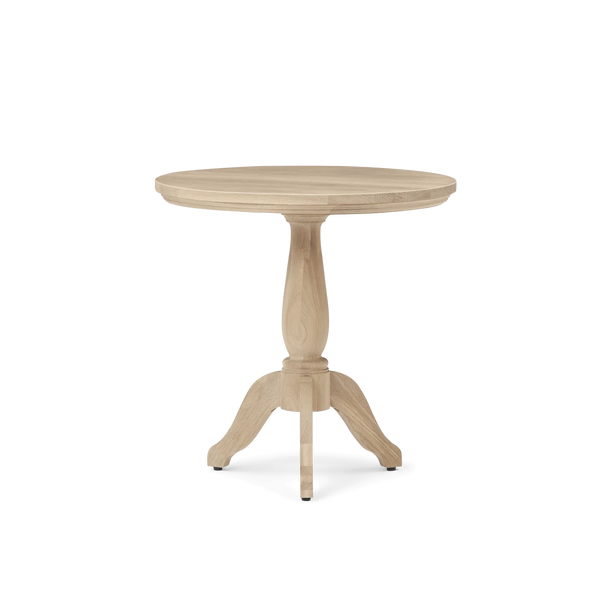
- Regular price
- £495
- Regular price
-
£0 - Sale price
- £495
- Percentage saved
- Save %
You're viewing 8 of 8
Products
- Lifetime guaranteeKitchens & furniture built to last a lifetime
- Price promiseConsistent quality, consistent prices
- Consciously craftedResponsibly sourced, natural materials


